In this ‘Behind the Paper blog post, author Dave Daversa discusses his recently published article “Fungal Batrachochytrium dendrobatidis (Bd) infections proliferate during amphibian terrestrial dormancy“. Dave shares how he and colleagues found Bd circulating in Yosemite toad populations, the implications of this on re-introduction programs, and more broadly, how exploratory research can lead to practical solutions.
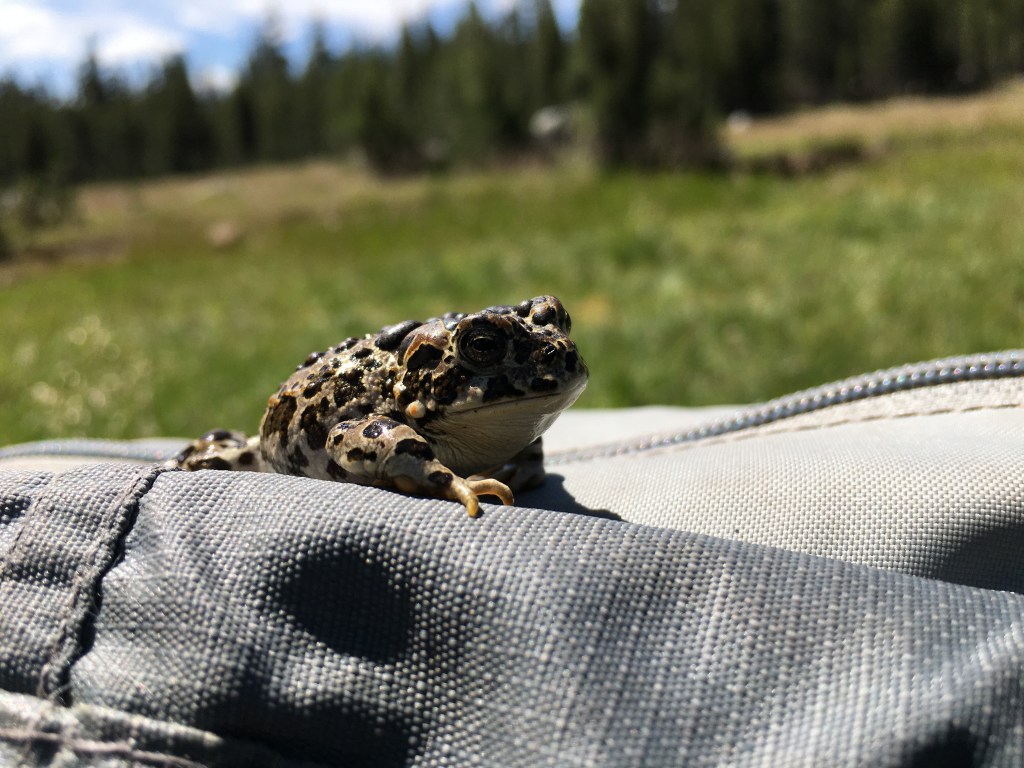
When I arrived at Yosemite National Park in the early spring of 2021 to study lethal fungal infections in endangered Yosemite toads (Anaxyrus canorus), the general expectation among colleagues was that the toads were not under much threat from fungal infections. Yosemite toads are a high-elevation endemic of the Sierra Nevada range in California, and they had become a charismatic symbol of Yosemite wildlife, in part due to their rare and threatened status. The key characteristic of toads pertaining to this study was their highly terrestrial lifestyle. Being amphibians, Yosemite toads carry out their lives in both water and land. However, they spend a disproportionate amount of time on land compared to many other amphibian species. Following metamorphosis, Yosemite toads are almost completely terrestrial until reaching adulthood. Even as adults, toads can only be found in water for about 1-2 weeks a year, for breeding. Otherwise, they are land creatures.
In stark contrast, the infections I was studying were from a water-loving parasitic fungus, called Batrachochytrium dendrobatidis, or ‘Bd’ for short. Bd infects the skin of amphibians via microscopic aquatic spores. Bd thrives best with lots of water. In fact, My PhD research was largely a demonstration of how terrestrial habitat use by amphibians is bad for Bd. I therefore came into this study with the same expectation as my colleagues. In a species that spends so little time in the water, how could Bd infect enough toads to pose any real threat? Surely, the microscopic, water-loving fungus could not.
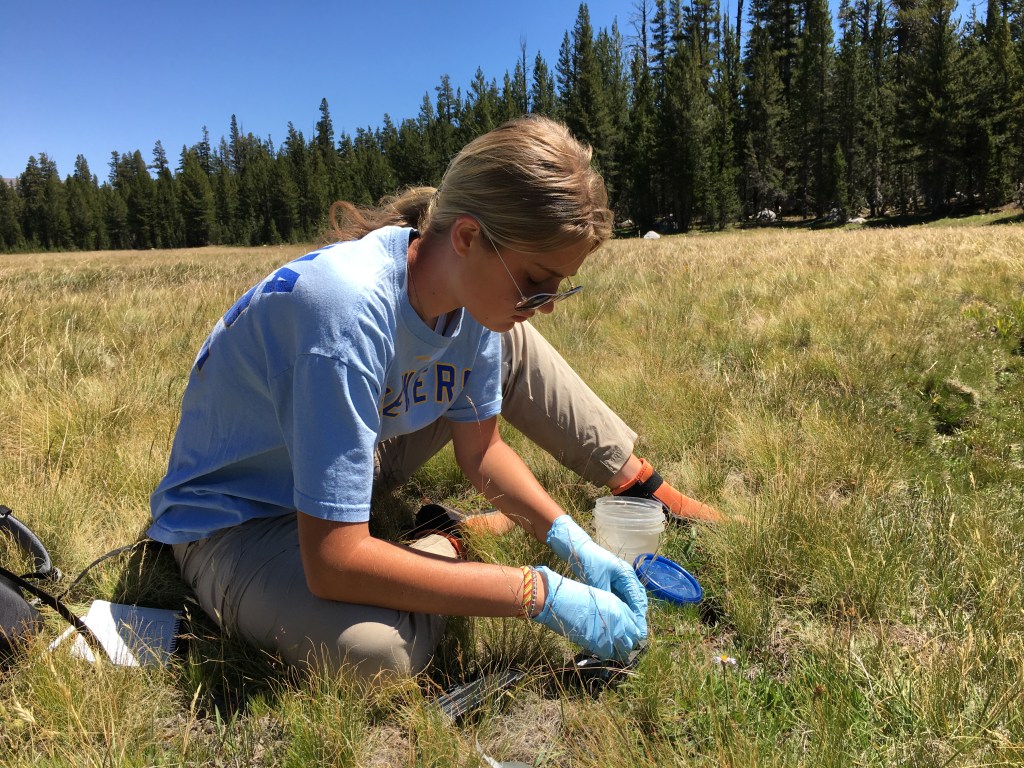
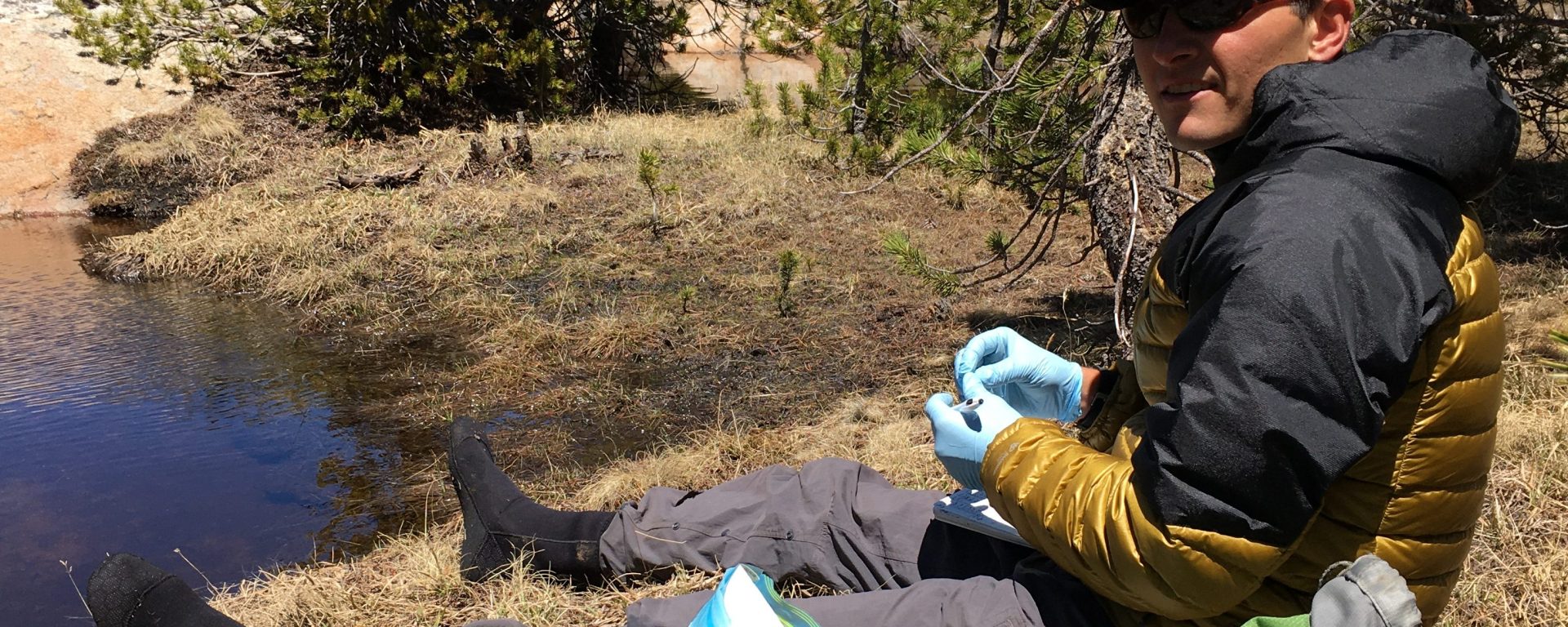
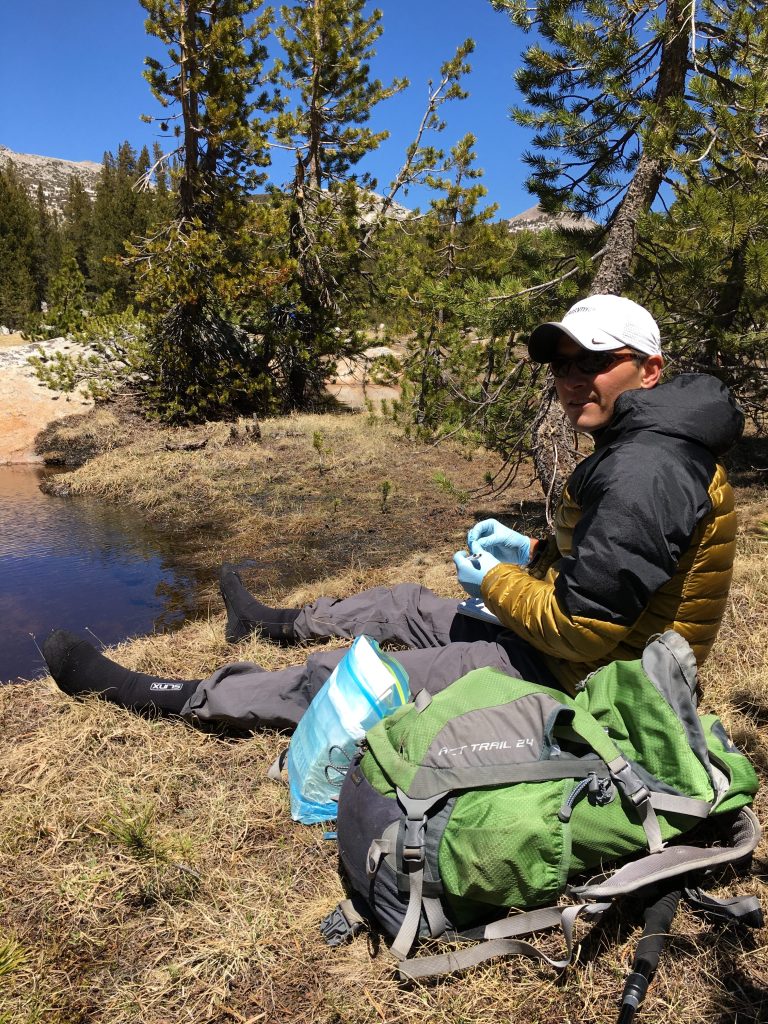
As has normally been the case in my scientific career, my expectations were wrong. After three years of sampling toads at six different high-elevation sites in Yosemite, and after collecting and processing over 1,800 samples, a new story emerged. First, Bd was clearly circulating in Yosemite toad populations. Hundreds of the samples we collected tested Bd-positive, confirming that toads were carrying infections. Second, most infection cases came not from aquatically breeding adults as one might expect, but rather from young, recently metamorphosed terrestrial toads, called metamorphs. This pattern was intriguing, but what was genuinely shocking was that toad metamorphs seemed to be succumbing to Bd infections most severely during winter, when they were hibernating terrestrially (more accurately called brumating).
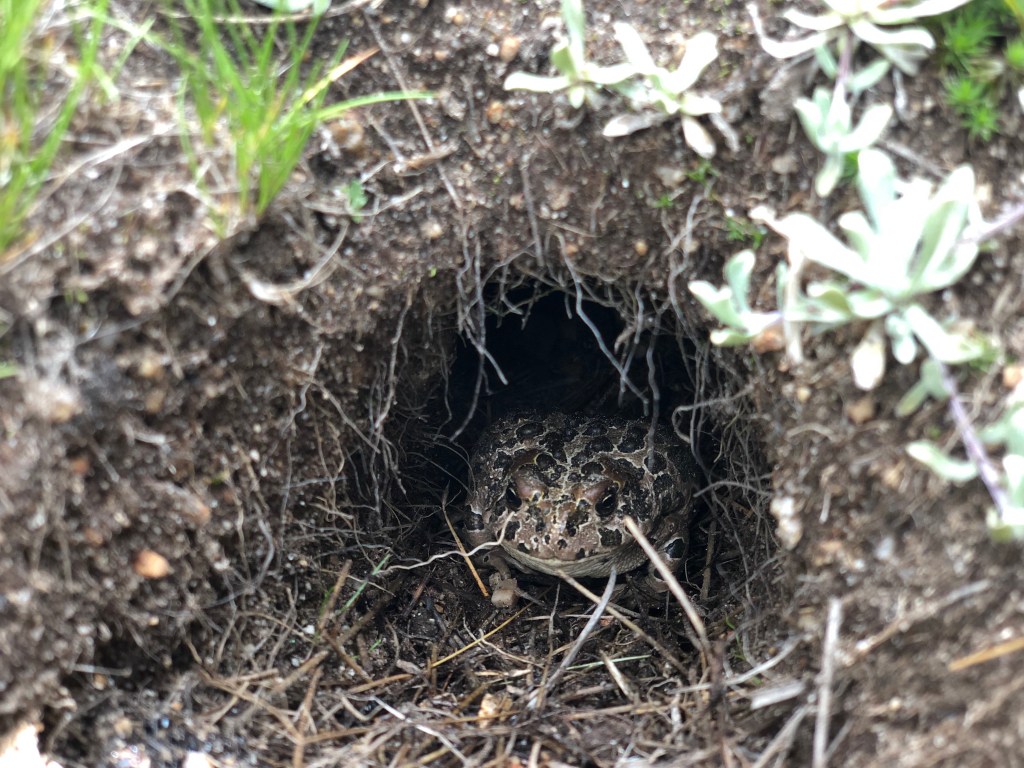
Imagine being in a large open meadow at 3,000 meters (10,000 feet) elevation, in January, after a snowstorm dumps 3 meters (10 feet) of snow over Yosemite. These are the conditions in which toad metamorphs hibernate. To survive these extreme winter conditions, metamorphs co-opt underground burrows carved by small mammals, like squirrels, and they go dormant in them. They stay dormant for over half the year (Yosemite has very long winters), only waking back up in the following Spring as the snow above ground recedes. When toad metamorphs were emerging from their hibernation in the Spring of 2022, we intercepted them and collected another sample. Over 90% of those post-hibernation samples came back Bd-positive, compared to the 23% of Bd-positive cases we documented in the same metamorph cohorts immediately before hibernation. From the time the young toads began their first winter hibernation to the time they came back out, the number of Bd infection cases increased four-fold.
For years, my colleagues and I have pondered how this waterborne fungal parasite could persist in amphibian species, like Yosemite toads, with prolonged terrestrial winter hibernation (many other amphibian species go through a similar terrestrial dormancy each winter). The only logical explanation was that Bd was persisting in other, more aquatic amphibians, or perhaps in the environment, while toads were hibernating on land. The results of our Bd surveillance in Yosemite toads flew in the face of that logic. The fungus was not merely persisting in hibernating toad metamorphs, it was thriving. But how? Answering this question is the current challenge. We have some clues, but we still do not know.
There is also the question of why we would even carry out this work in the first place if we thought that toads were not under threat. A primary motivation was a Yosemite toad re-introduction program being planned by wildlife managers at Yosemite National Park. Since the late 1970’s, Yosemite toads have been disappearing from various areas of the National Park, and park managers have wanted to stimulate population growth by reintroducing captive-reared toads back into the sites from where they disappeared. They had relatively little data on Bd infections in Yosemite toads, however. They could re-introduce animals, but without more data on Bd, they ran the risk that doing so would just provide Bd with more hosts to infect, and potentially fuel lethal infection outbreaks and causing more harm than good for the toad populations. The Bd surveillance my colleagues and I completed filled this knowledge gap. The knowledge showed unequivocably that toads are most vulnerable to Bd infection in their first year of life, specifically during their first hibernation. Much to the Park’s credit, they applied this knowledge to their re-introduction program planning. Although the toad re-introductions would be cheaper and easier if done at the metamorph stage (or younger), managers now only release animals after a few years of toad maturity, when they are less at risk of Bd infection.
In an era when the value of basic scientific research is under increasing scrutiny, our Yosemite toad study provides a tangible example of how basic science translates into management improvements both for the United States’ National Parks and for species threatened with extinction. This work also demonstrates that basic science initially lacking clear application may contain hidden surprises. Sometimes, work that seems exploratory and esoteric may lead to practical solutions for management and policy.