Jonas Trepel | Keeping the grasses in check: Wild large herbivores promote plant diversity by reducing dominance 

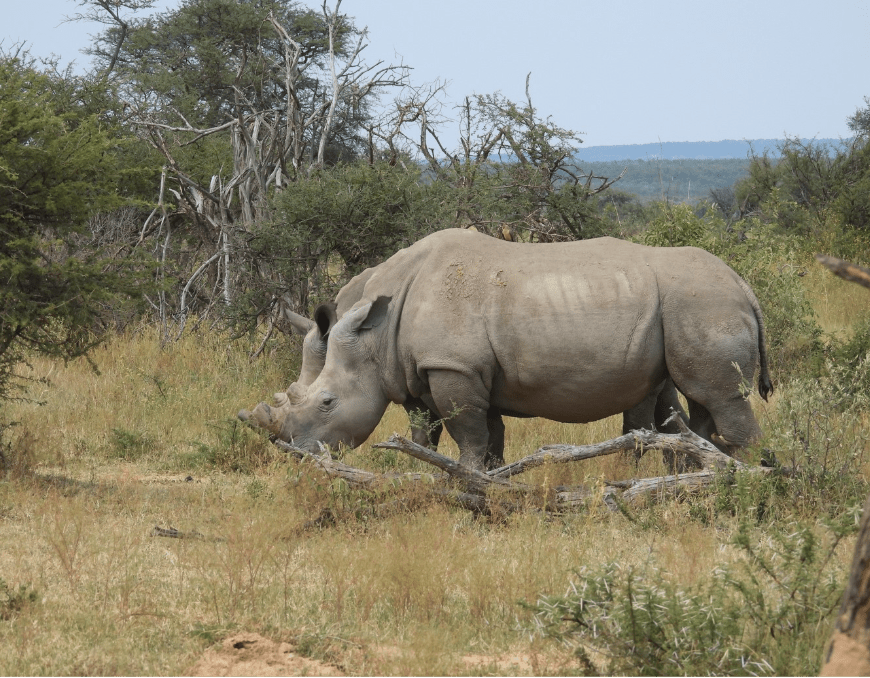
In this behind the Paper blog post, author Jonas Trepel – a postdoctoral researcher at Aarhus University – delves into the world of ecosystems engineers and discusses his paper “Wild large herbivores promote plant diversity and functional redundancy by reducing dominance“, which was recently published in Functional Ecology. Jonas shares the role of large herbivores as key ecological players, the thorny side of fieldwork, and the … Continue reading  Jonas Trepel | Keeping the grasses in check: Wild large herbivores promote plant diversity by reducing dominance 
Collins Ogbeide | Artificial light at night and invasive signal crayfish alter aquatic-terrestrial food webs

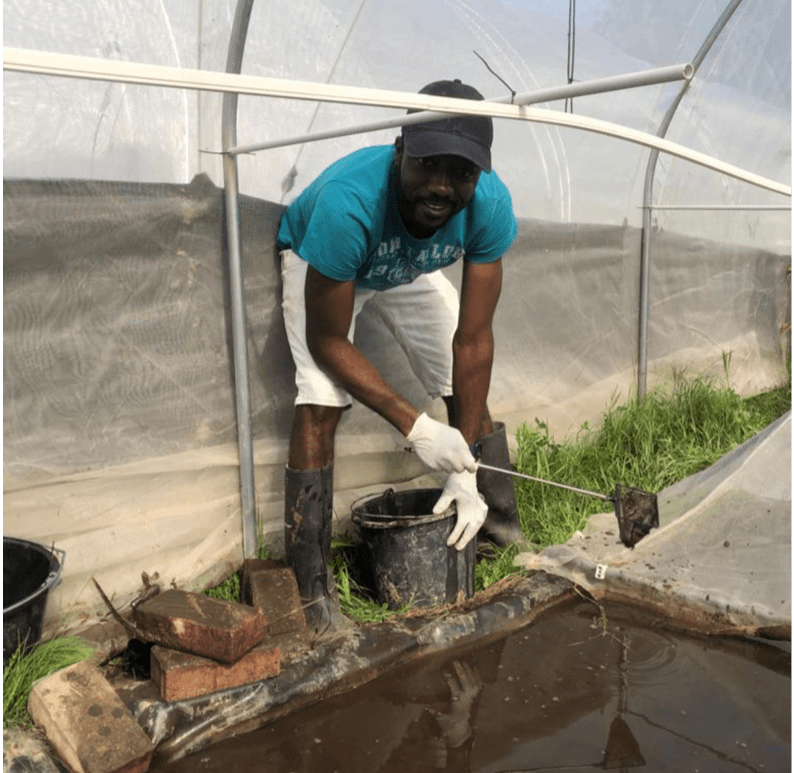
In this week’s blog post, fall into a web of knowledge with Collins Ogbeide, as he discusses his research article: “Artificial light at night and invasive signal crayfish alter aquatic-terrestrial food webs”. Collins explores predator-prey dynamics within riparian streams in a clever and unique way: artificial light! Collins also reflects on a crucial piece of advice: Adaptability matters more than having everything figured out! About … Continue reading Collins Ogbeide | Artificial light at night and invasive signal crayfish alter aquatic-terrestrial food webs

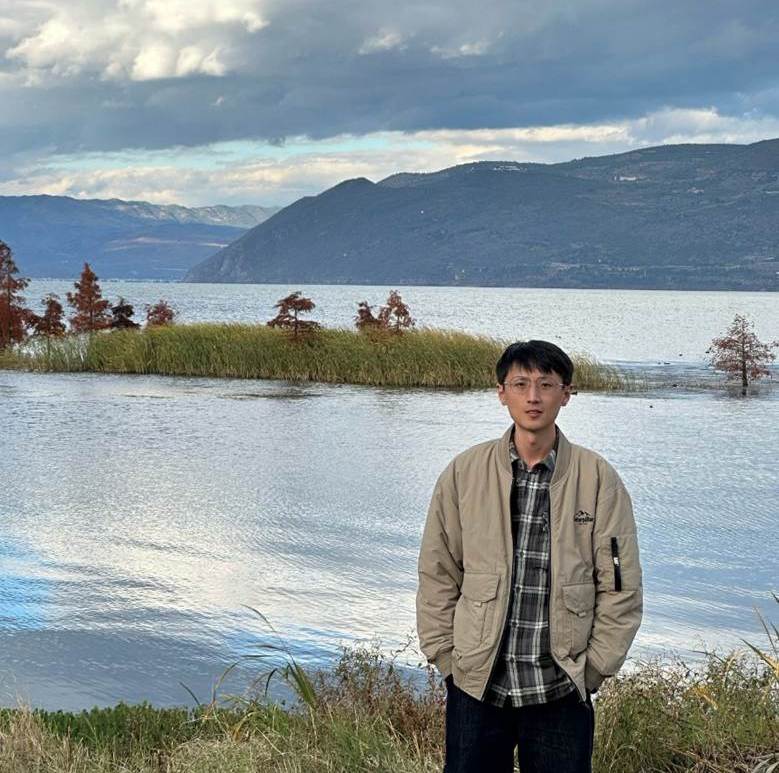
Erliang Gao | Nitrogen enrichment in soil interrupts the ‘rhythms’ of plan-pollinator interactions in Tibetan alpine meadows

In our latest ‘Behind the Paper’ blog post, author Erliang Gao shares insights into the article “Anthropogenic nitrogen addition interrupts seasonal connectivity and structures of plant–pollinator networks“, which was published in Functional Ecology in April 2026. Erliang Gao discusses the impacts of anthropogenic nitrogen enrichment on plant-pollinator networks, the joys of conducting curiosity-driven research, and the importance of establishing a work-life balance. About the paper … Continue reading Erliang Gao | Nitrogen enrichment in soil interrupts the ‘rhythms’ of plan-pollinator interactions in Tibetan alpine meadows

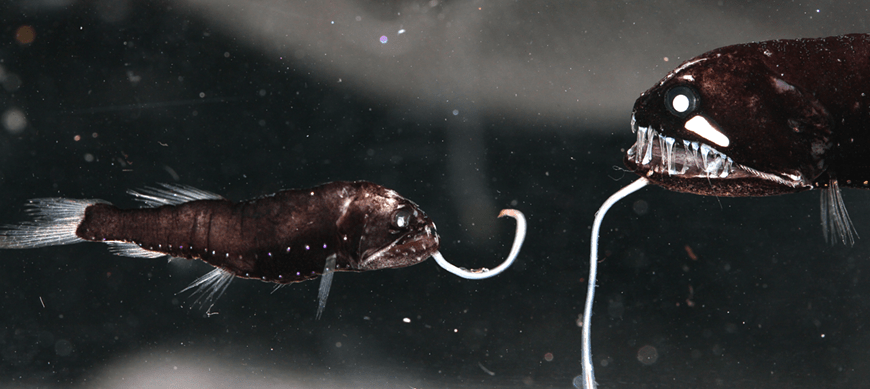
Vision in Challenging Environments – from Darkness to Dazzling Light

Zuzana Musilova and Sara Mae Stieb When animals look out into their world, they don’t all see the same thing. For some, light is abundant, even overwhelming. For others, it is vanishingly scarce. Vision is one of the most adaptable sensory systems, and in this Special Feature we explore how it is shaped and challenged by environments at their most extreme. Too little light From … Continue reading Vision in Challenging Environments – from Darkness to Dazzling Light

Stephanie Chia: Mechanistic understanding of how temperature and its variability shape body size composition in moth assemblages

2024 HALDANE PRIZE SHORTLIST: Stephanie Chia discusses her paper “Mechanistic understanding of how temperature and its variability shape body size composition in moth assemblages“, which has been shortlisted for Functional Ecology’s 2024 Haldane Prize for Early Career Researchers: About the paper Have you ever watched a diverse array of moths gather around a glowing light in the mountains at night? And if you head up … Continue reading Stephanie Chia: Mechanistic understanding of how temperature and its variability shape body size composition in moth assemblages

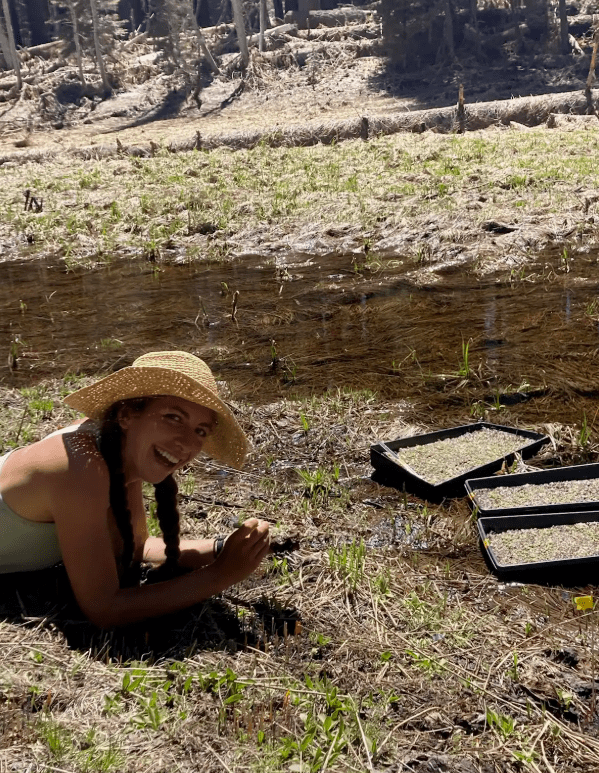
Diana Tataru: Studying at my Dream Site

In this ‘Postcards from the Field’ blog post, Dr Diana Tataru – based at Tulane University – discusses their work on monkeyflowers in the beautiful Yosemite National Park, California! Diana shares plant-level perspectives, top tips for fieldwork, and future studies in the Eastern Sierra Nevadas. Profile I am interested in how plants adapt and survive in changing environments! I’m especially interested in extreme environments, like … Continue reading Diana Tataru: Studying at my Dream Site

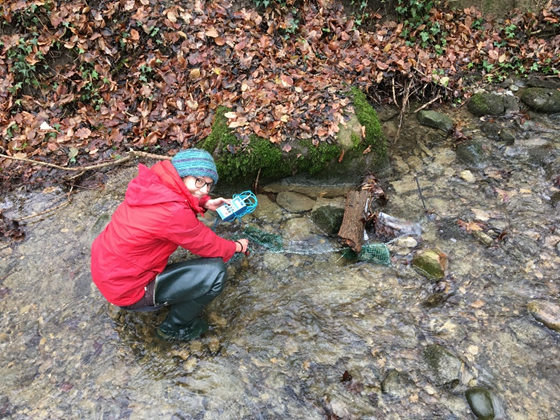
Rebecca Oester : Disentangling how riparian forests shape trophic interactions in detritus-based stream food webs

Authors Rebecca Oester, Florian Altermatt and Andreas Bruder take a cold dip into Riparian forests and how they influence trophic interactions. In this blog post, lead author Rebecca, a PhD student at the University of Zurich, EAWAG and SUPSI Switzerland, shares insight behind their paper: “Riparian forests shape trophic interactions in detrital stream food webs”. She explains just how fascinating (and important!) freshwater and terrestrial … Continue reading Rebecca Oester : Disentangling how riparian forests shape trophic interactions in detritus-based stream food webs

Black History Month 2024: Dr Saheed Olaide Jimoh

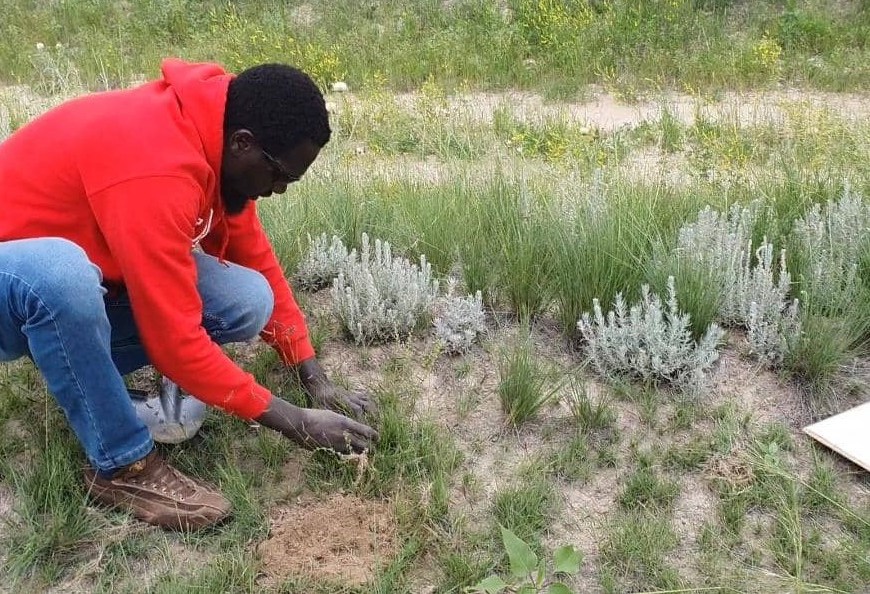
For Black History Month 2024, the British Ecological Society (BES) journals are celebrating the work of Black ecologists around the world and sharing their stories. In this blog, Dr Saheed Olaide Jimoh shares his story. Biography Name: Saheed Olaide Jimoh Pronouns: He/Him Affiliation: Postdoctoral Research Associate at the University of Wyoming, USA Website/social media links: Ecology interests in three keywords: 1. Functional ecology  2. Belowground … Continue reading Black History Month 2024: Dr Saheed Olaide Jimoh

Call for Proposals: Cross Journal Special Feature on “Large Scale, Open Data, and a Big Tent: Leveraging collaboration, transparency, and inclusion to advance macrosystems biology”

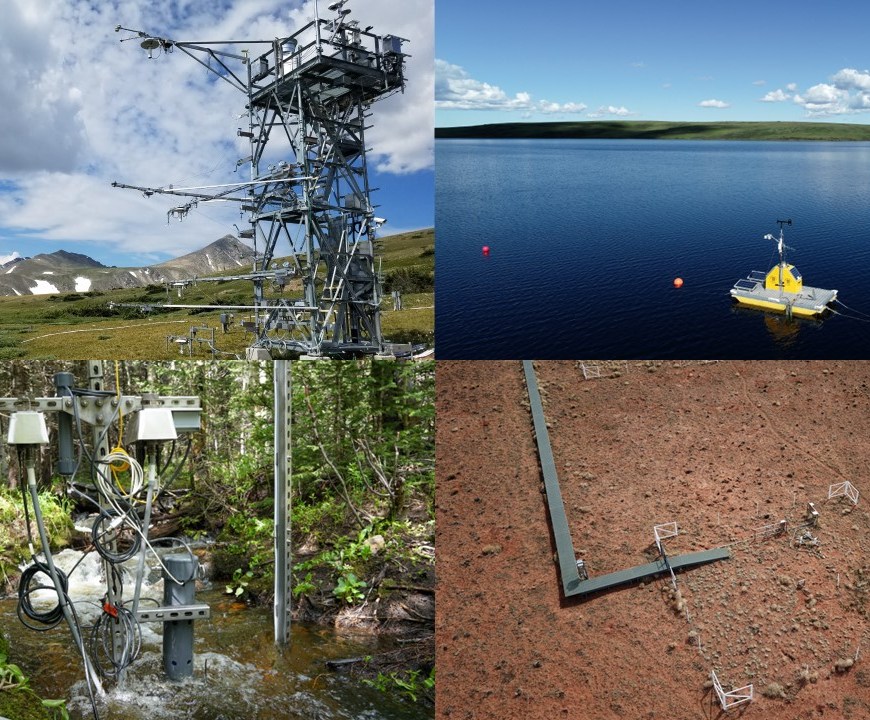
Functional Ecology, Journal of Animal Ecology, Journal of Ecology, Methods in Ecology and Evolution and People and Nature are seeking proposals for a cross-journal Special Feature on “Large Scale, Open Data, and a Big Tent: Leveraging collaboration, transparency, and inclusion to advance macrosystems biology”  Edited by: Daniel C Allen, Alejandro Cueva, Xiaonan Tai, Matt Heard, Kai Zhu and Brenden McNeil.  The field of macrosystems biology … Continue reading Call for Proposals: Cross Journal Special Feature on “Large Scale, Open Data, and a Big Tent: Leveraging collaboration, transparency, and inclusion to advance macrosystems biology”