Climate Change SIG Annual Meeting 2026 | Stella Wimmer on the conditions affecting arthropod communities during deadwood decomposition


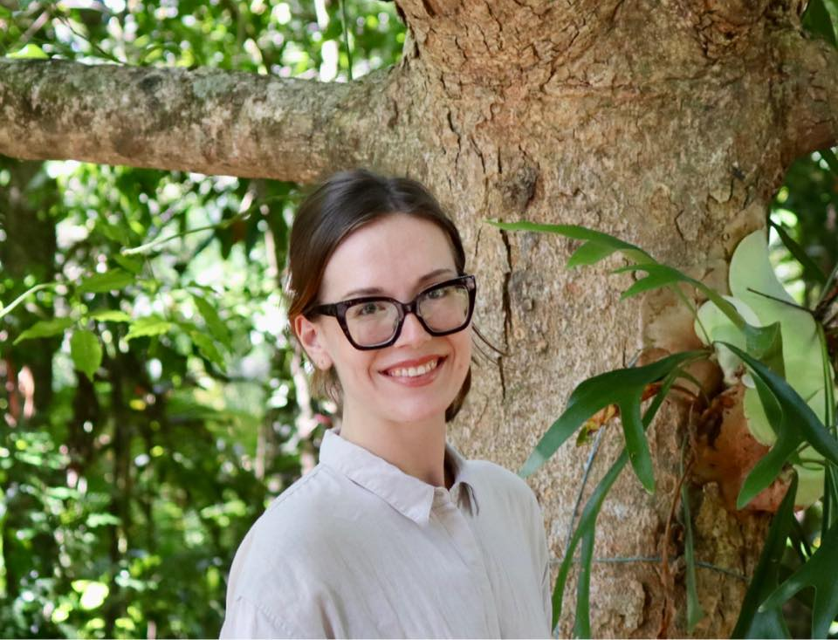
In this blog post, we hear from Stella Wimmer, winner of Functional Ecology’s prize for best presentation by an Early Career Researcher at the BES’ Climate Change and Ecosystem Dynamics Special Interest Group Annual Meeting 2026! Stella discusses the conditions affecting arthropod communities during deadwood decomposition, completing the trip from Germany to the UK by train, and having fun at your first conference! A German … Continue reading Climate Change SIG Annual Meeting 2026 | Stella Wimmer on the conditions affecting arthropod communities during deadwood decomposition
Climate Change SIG Annual Meeting 2026 | Stella Wimmer: die Faktoren aus, die für die totholz-assoziierten Gemeinschaften eine Rolle spielen

Wenn wir über Auswirkungen des Klimawandels auf den Wald sprechen und der Gemeinschaften, die ihn bewohnen, dann sprechen wir meist von Veränderungen in einem großen Maßstab: Erderwärmung, die Veränderung der globalen Niederschlagsregimes, eine zunehmende Häufung der Wetterextreme. Doch diese großen Veränderungen entsprechen nicht zwangsläufig den Bedingungen, die von einer Käferlarve wahrgenommen werden, welche sich im Totholz entwickelt. Für sie mag das Makro-Klima nicht die größte … Continue reading Climate Change SIG Annual Meeting 2026 | Stella Wimmer: die Faktoren aus, die für die totholz-assoziierten Gemeinschaften eine Rolle spielen

ICOM 2026 | Liu. Pei-Chu: The effects of different carbon sources on symbiotic conditions and pH during artificial infection

In this blog post, we hear from the second-place winner of Functional Ecology’s presentation prize at the International Conference on Mycorrhiza (ICOM), Liu. Pei-Chu! Liu. Pei-Chu shares her presentation “Effects of different carbon sources on symbiotic conditions and pH during artificial infection”. She discusses how different bacterial strains affect mycelial growth and interact with fungus, her first time at a large international conference, and her … Continue reading ICOM 2026 | Liu. Pei-Chu: The effects of different carbon sources on symbiotic conditions and pH during artificial infection

Bálint Üveges | No gain from pain: European viper venoms did not evolve for self-defence

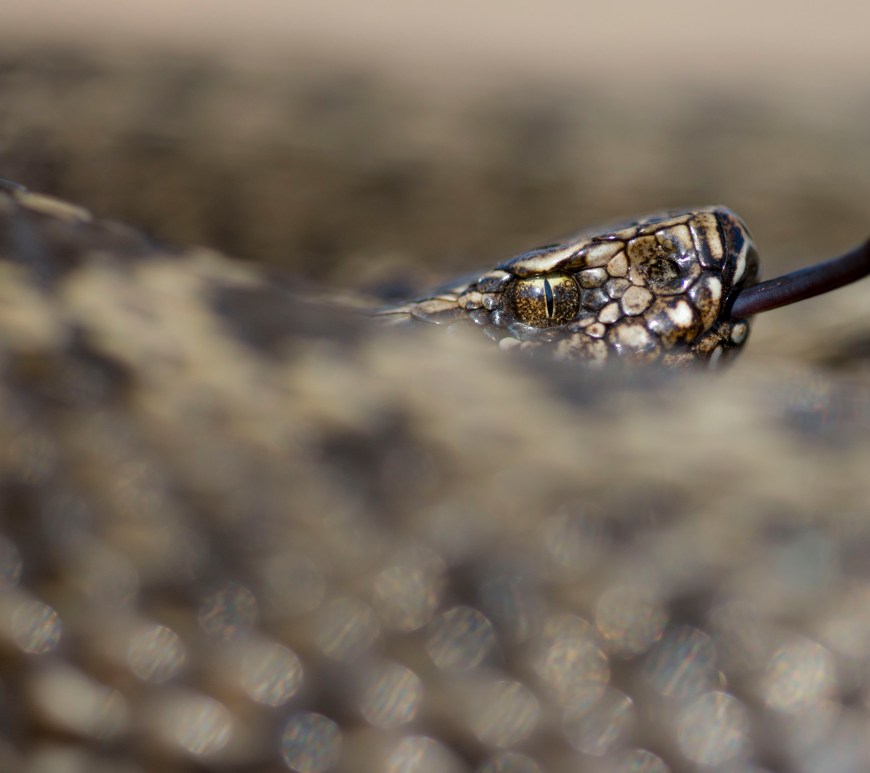
In this blog post, author Bálint Üveges discusses the paper “No gain from pain: Lack of nociceptor activation suggests no adaptation for defence in the evolution of European viper venoms“, which was published in Functional Ecology in August 2026. Bálint discusses the intensive fieldwork behind this research, testing if the venoms of Eurasian vipers evolved for a predatory or a defensive function and whether causing … Continue reading Bálint Üveges | No gain from pain: European viper venoms did not evolve for self-defence

Meet the Editor: Ji Chen

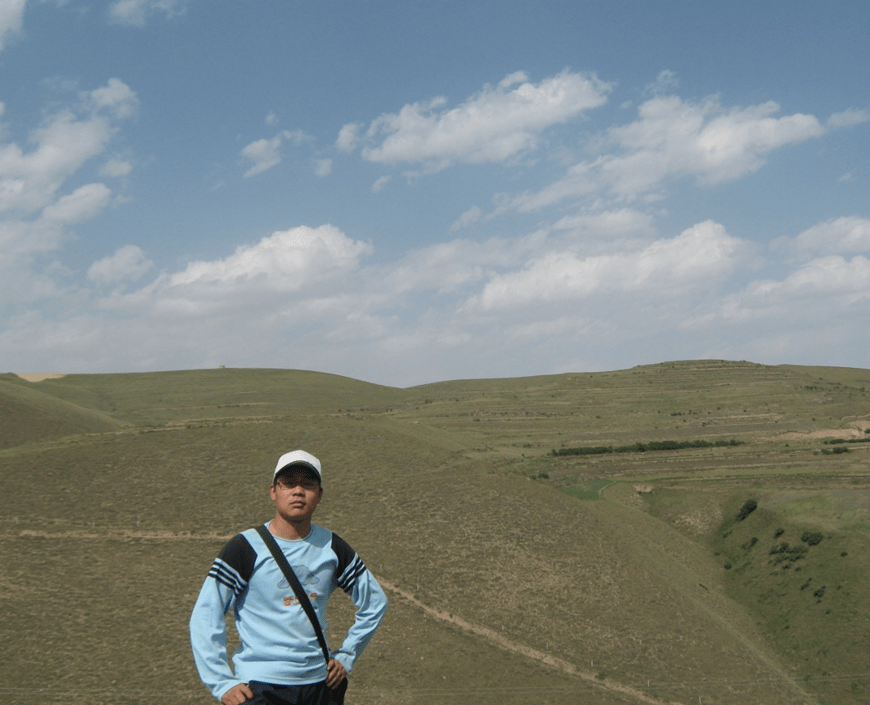
In this blog post, we hear from Senior Editor Ji Chen, Professor at the Institute of Earth Environment, Chinese Academy of Sciences! Ji’s research focuses on uncovering the mechanisms that regulate carbon, nitrogen, and phosphorus dynamics in ecosystems in response to global change drivers and anthropogenic disturbances. During his Ph.D., he examined how ecosystem CO₂ exchange responds to experimental warming, herbivory grazing, and prescribed fire, … Continue reading Meet the Editor: Ji Chen

Stephanie Chia: Mechanistic understanding of how temperature and its variability shape body size composition in moth assemblages

2024 HALDANE PRIZE SHORTLIST: Stephanie Chia discusses her paper “Mechanistic understanding of how temperature and its variability shape body size composition in moth assemblages“, which has been shortlisted for Functional Ecology’s 2024 Haldane Prize for Early Career Researchers: About the paper Have you ever watched a diverse array of moths gather around a glowing light in the mountains at night? And if you head up … Continue reading Stephanie Chia: Mechanistic understanding of how temperature and its variability shape body size composition in moth assemblages

International Women’s Day 2025 – Emma Sayer

To celebrate International Women’s Day 2025, we are excited to share a collection of blog posts showcasing the work of some of the BES community. In each post, they discuss their experiences in ecology, as well as what this year’s theme, ‘Accelerate Action’, means to them. Emma SayerProfessor in EcophysiologyUlm University, Germany What work do you do? Research, teaching, mentoring, and science communication – not … Continue reading International Women’s Day 2025 – Emma Sayer

International Women’s Day 2025 – Arianne Harris

To celebrate International Women’s Day 2025, we are excited to share a collection of blog posts showcasing the work of some of the BES community. In each post, they discuss their experiences in ecology, as well as what this year’s theme, ‘Accelerate Action’, means to them. Arianne-Elise HarrisUniversity of Guyana, Guyana What work do you do? I’m a conservation biologist/ecologist  and my research work focuses … Continue reading International Women’s Day 2025 – Arianne Harris

International Women’s Day 2025 – Katie Field

To celebrate International Women’s Day 2025, we are excited to share a collection of blog posts showcasing the work of some of the BES community. In each post, they discuss their experiences in ecology, as well as what this year’s theme, ‘Accelerate Action’, means to them. Katie FieldProfessor of Plant-Soil Processes University of Sheffield, UK What work do you do? I am a Professor of … Continue reading International Women’s Day 2025 – Katie Field

Pablo Urbaneja-Bernat: A herbivore-induced defense-related plant protein in honeydew enhances natural enemy fitness

In this post, Pablo Urbaneja-Bernat, Ramón y Cajal Researcher at Universitat Jaume I (UJI), presents his work ‘Not just candy: A herbivore-induced defense-related plant protein in honeydew enhances natural enemy fitness’. He talks about unexpected interactions in ecological communities, the application of ecological research to agricultural management and the importance of inclusivity to overcome the many challenges in the path of research.  About the paper  … Continue reading Pablo Urbaneja-Bernat: A herbivore-induced defense-related plant protein in honeydew enhances natural enemy fitness