Jonas Trepel | Keeping the grasses in check: Wild large herbivores promote plant diversity by reducing dominance 

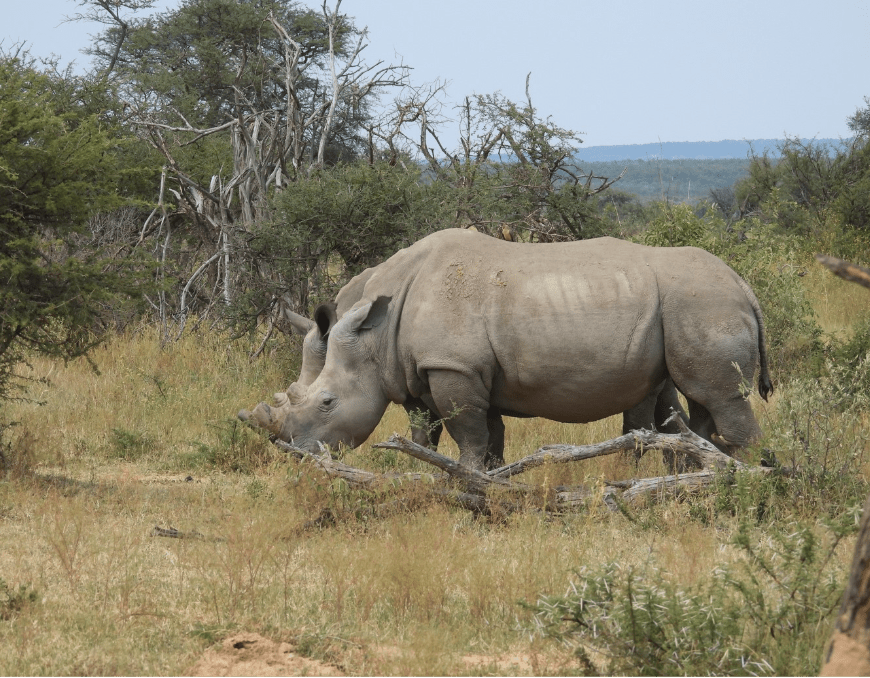
In this behind the Paper blog post, author Jonas Trepel – a postdoctoral researcher at Aarhus University – delves into the world of ecosystems engineers and discusses his paper “Wild large herbivores promote plant diversity and functional redundancy by reducing dominance“, which was recently published in Functional Ecology. Jonas shares the role of large herbivores as key ecological players, the thorny side of fieldwork, and the … Continue reading  Jonas Trepel | Keeping the grasses in check: Wild large herbivores promote plant diversity by reducing dominance 

Collins Ogbeide | Artificial light at night and invasive signal crayfish alter aquatic-terrestrial food webs

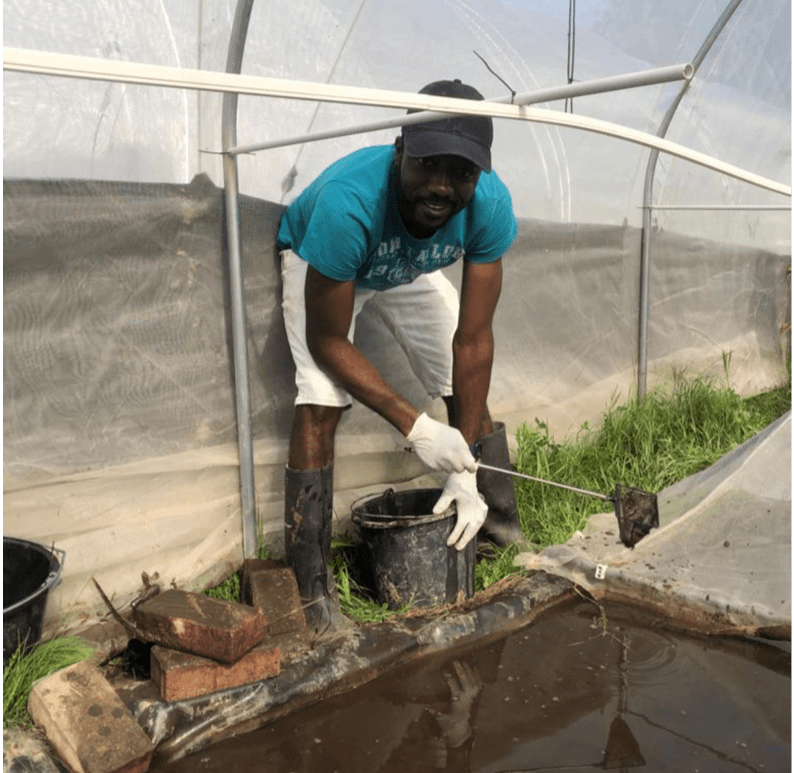
In this week’s blog post, fall into a web of knowledge with Collins Ogbeide, as he discusses his research article: “Artificial light at night and invasive signal crayfish alter aquatic-terrestrial food webs”. Collins explores predator-prey dynamics within riparian streams in a clever and unique way: artificial light! Collins also reflects on a crucial piece of advice: Adaptability matters more than having everything figured out! About … Continue reading Collins Ogbeide | Artificial light at night and invasive signal crayfish alter aquatic-terrestrial food webs

Erliang Gao | Nitrogen enrichment in soil interrupts the ‘rhythms’ of plan-pollinator interactions in Tibetan alpine meadows

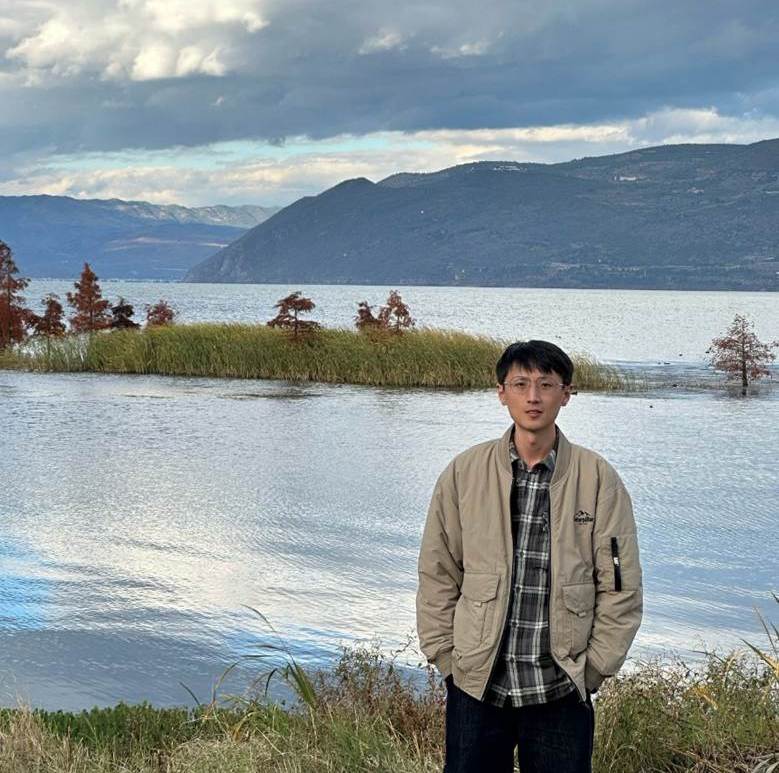
In our latest ‘Behind the Paper’ blog post, author Erliang Gao shares insights into the article “Anthropogenic nitrogen addition interrupts seasonal connectivity and structures of plant–pollinator networks“, which was published in Functional Ecology in April 2026. Erliang Gao discusses the impacts of anthropogenic nitrogen enrichment on plant-pollinator networks, the joys of conducting curiosity-driven research, and the importance of establishing a work-life balance. About the paper … Continue reading Erliang Gao | Nitrogen enrichment in soil interrupts the ‘rhythms’ of plan-pollinator interactions in Tibetan alpine meadows

Mario Vallejo-Marín | The buzz of pollination and how plants stave off greedy bees 

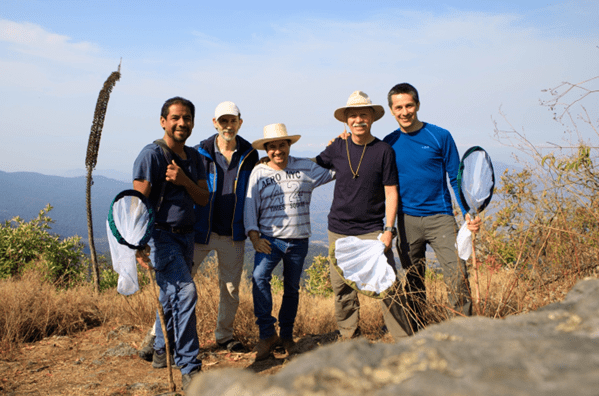
In this week’s blog post, we’re learning all about buzz pollination between Bombus terrestris and Solanum rostratum! Author Mario Vallejo-Marín explains one of the most striking examples of evolutionary convergence in floral form – buzz pollinated flowers: “Gradual pollen release in a buzz-pollinated plant: Investigating pollen presentation theory under bee visitation”.   1. About the Paper In this paper, we used nectarless, buzz pollinated flowers, … Continue reading Mario Vallejo-Marín | The buzz of pollination and how plants stave off greedy bees 

Ricardo Sánchez Martín | Functional generalism in plant-hummingbird interactions: causes and consequences from a plant perspective

In this week’s blog post, we’re learning all about the causes and consequences of functional generalism! Author Ricardo Sánchez Martín explains the fascinating fit between hummingbirds and the plants they pollinate: “Functional generalism in plant-hummingbird interactions: causes and consequences from a plant perspective”. 1. About the Paper Scientists have long been fascinated by the apparent tight fit between hummingbirds and the flowers they pollinate: long-billed … Continue reading Ricardo Sánchez Martín | Functional generalism in plant-hummingbird interactions: causes and consequences from a plant perspective

Vision in Challenging Environments – from Darkness to Dazzling Light

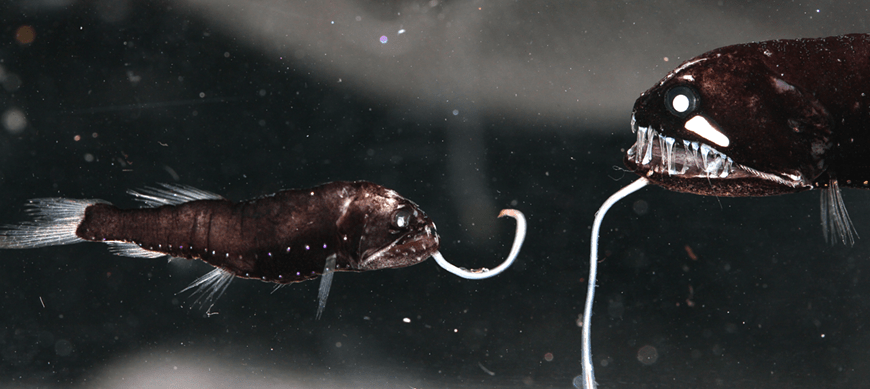
Zuzana Musilova and Sara Mae Stieb When animals look out into their world, they don’t all see the same thing. For some, light is abundant, even overwhelming. For others, it is vanishingly scarce. Vision is one of the most adaptable sensory systems, and in this Special Feature we explore how it is shaped and challenged by environments at their most extreme. Too little light From … Continue reading Vision in Challenging Environments – from Darkness to Dazzling Light

Jennifer Apland: does flower temperature affect pollinator behaviour?

In this week’s blog post, we learn what’s the buzz about pollinators and their affinity to heat. Through her recently published paper: “Isolating the effects of floral temperature on visitation and behavior of wild bee and fly pollinators”, Jennifer explores how traits and behaviours of insect pollinators can shift according to varying flower temperatures under different environmental conditions. This work is crucial to help us … Continue reading Jennifer Apland: does flower temperature affect pollinator behaviour?

Rainbow Research: Contribute to our Pride Month Blog Series!

To celebrate Pride Month in June, we are relaunching our Rainbow Research blog series! This series aims to promote the visibility and inclusion of ecologists and evolutionary biologists from the LGBTQIA+ community. Each post will be connected to a theme represented by one of the colours shown in the Progress Pride Flag:  Posts can link to any of these themes, whether it connects to your … Continue reading Rainbow Research: Contribute to our Pride Month Blog Series!

Tim Forrester: Weight loss in female birds – an adaptive strategy

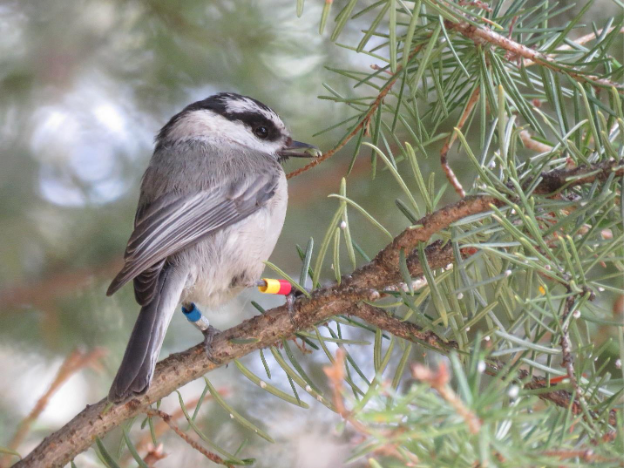
In this blog post, Tim Forrester helps answer a weighty question: Does weight loss help or hurt nesting birds? Based on his recent paper with Tom Martin, “Observational and experimental evidence that rapid mass loss is consistent with the flight efficiency hypothesis and not caused by reproductive effort in three passerine bird species”, Tim shares the fascinating physiological adaptations undergone by songbirds in anticipation of … Continue reading Tim Forrester: Weight loss in female birds – an adaptive strategy

Diana Tataru: Studying at my Dream Site

In this ‘Postcards from the Field’ blog post, Dr Diana Tataru – based at Tulane University – discusses their work on monkeyflowers in the beautiful Yosemite National Park, California! Diana shares plant-level perspectives, top tips for fieldwork, and future studies in the Eastern Sierra Nevadas. Profile I am interested in how plants adapt and survive in changing environments! I’m especially interested in extreme environments, like … Continue reading Diana Tataru: Studying at my Dream Site