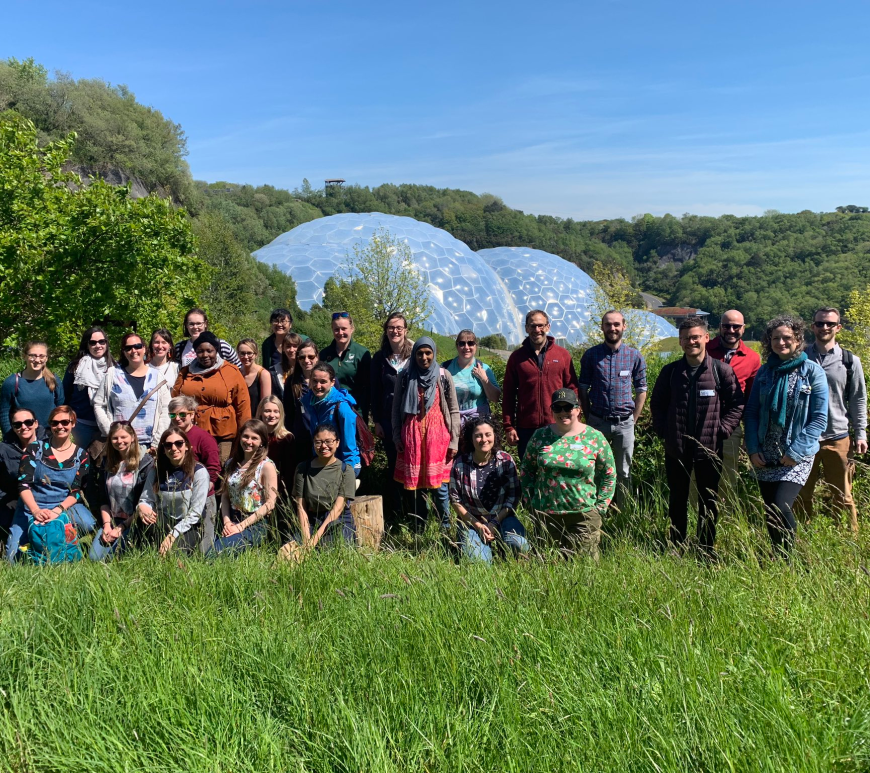
PEPG ECR Symposium - group photo

Reporting back from the Plant Environmental Physiology Group’s Early Career Researchers Symposium 2019


PEPG ECR Symposium - group photo
PEPG ECR Symposium – group photo

A blog post by Magdalena Cobo-Medina, Sarah Carroll, Sophie Young, Helena Herrmann, winners of the Functional Ecology-sponsored best poster and talk prizes.


Continue reading “Reporting back from the Plant Environmental Physiology Group’s Early Career Researchers Symposium 2019”

Corinne Hertäg

Corinne Hertäg: sharing the costs – and benefits – of defensive symbionts

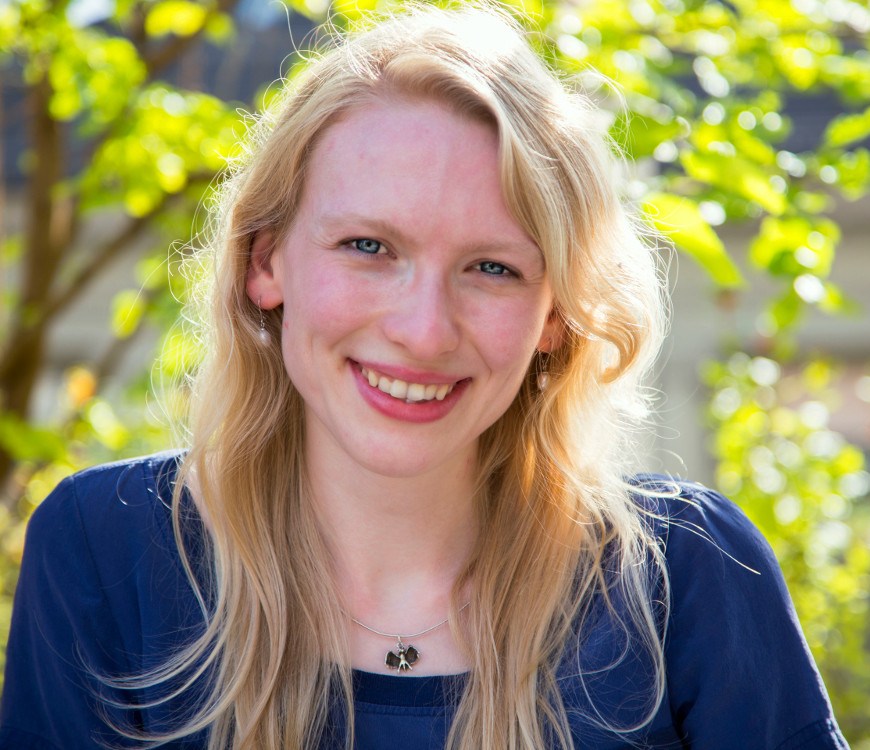
Corinne Hertäg

Corinne Hertäg is a PhD student at ETH Zürich. She was recently shortlisted for Functional Ecology’s Haldane Prize for Early Career Researchers.

In this Insight, she talks about her shortlisted paper, Defensive symbionts mediate species coexistence in phytophagous insects

Continue reading “Corinne Hertäg: sharing the costs – and benefits – of defensive symbionts”

“The main thing we want to do is more long-term experiments…” New podcast episode with Ken Thompson and Rannveig Jacobsen

New Podcast! Ken Thompson talks to Rannveig Jacobsen (recently shortlisted for the Haldane prize) about the influence of insects on decomposer fungi. You can read all the shortlisted papers here. Continue reading “The main thing we want to do is more long-term experiments…” New podcast episode with Ken Thompson and Rannveig Jacobsen

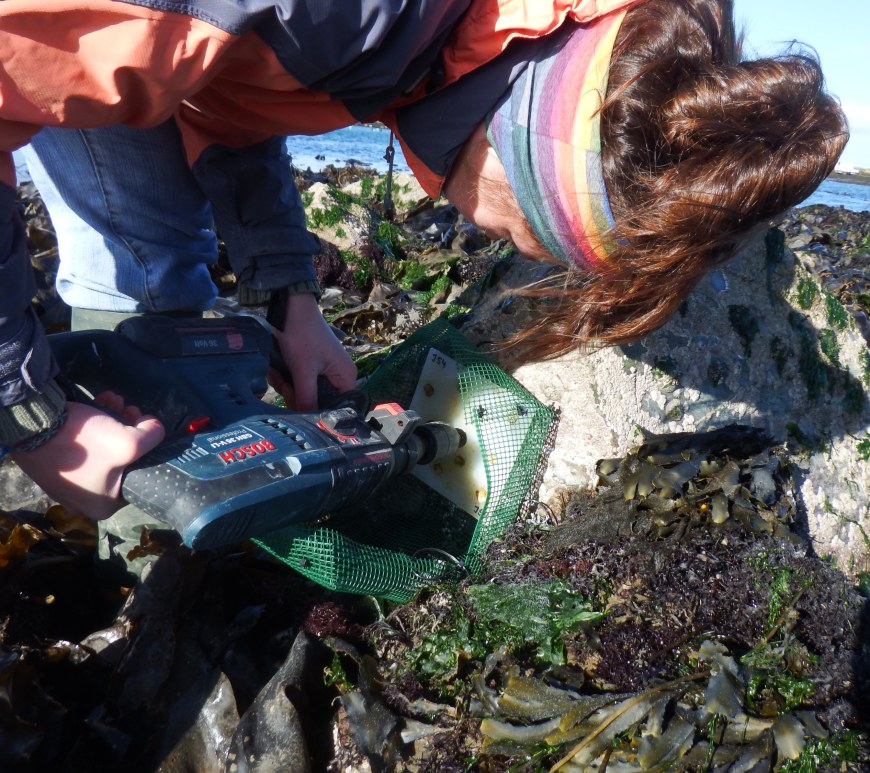
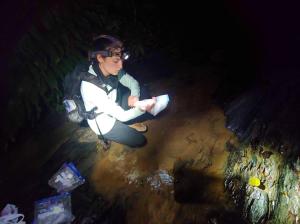
Nadescha Zwerschke in the field.

Nadescha Zwerschke – a new angle on oyster competition

Nadescha Zwerschke is a benthic ecologist with the British Antarctic Survey. She was recently shortlisted for Functional Ecology’s Haldane Prize for Early Career Researchers. In this Insight, she talks about her shortlisted paper, Competition between co‐occurring invasive and native consumers switches between habitats   Oyster vs Oyster In Europe, the native oyster is declining due to overfishing and habitat destruction, effectively extirpating it from intertidal … Continue reading Nadescha Zwerschke – a new angle on oyster competition

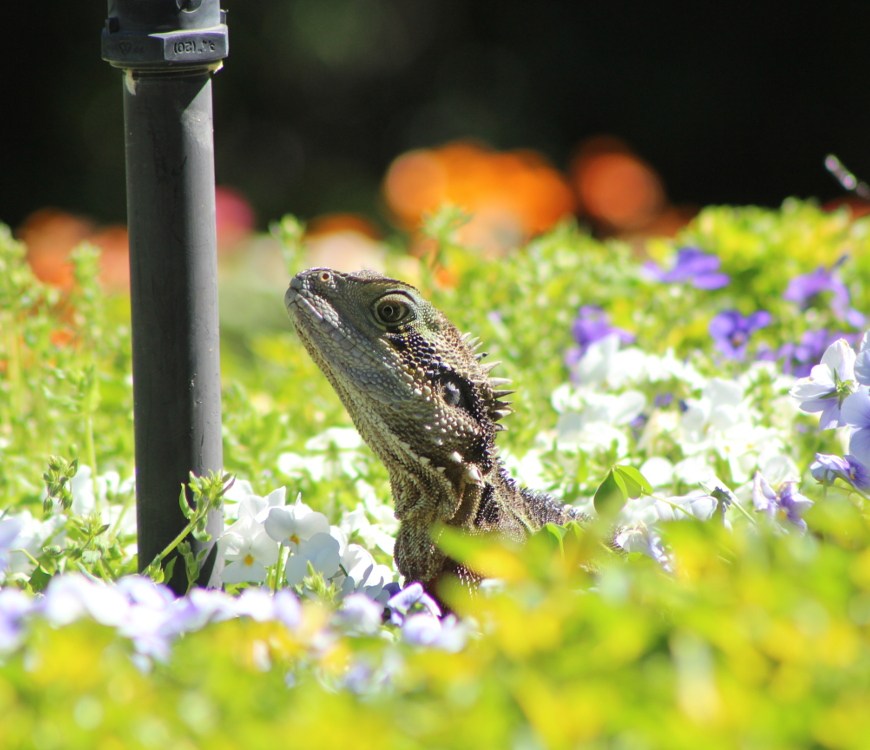
How sexual and natural selection influence body size dimorphism between males and females— what processes matter at each evolutionary level.

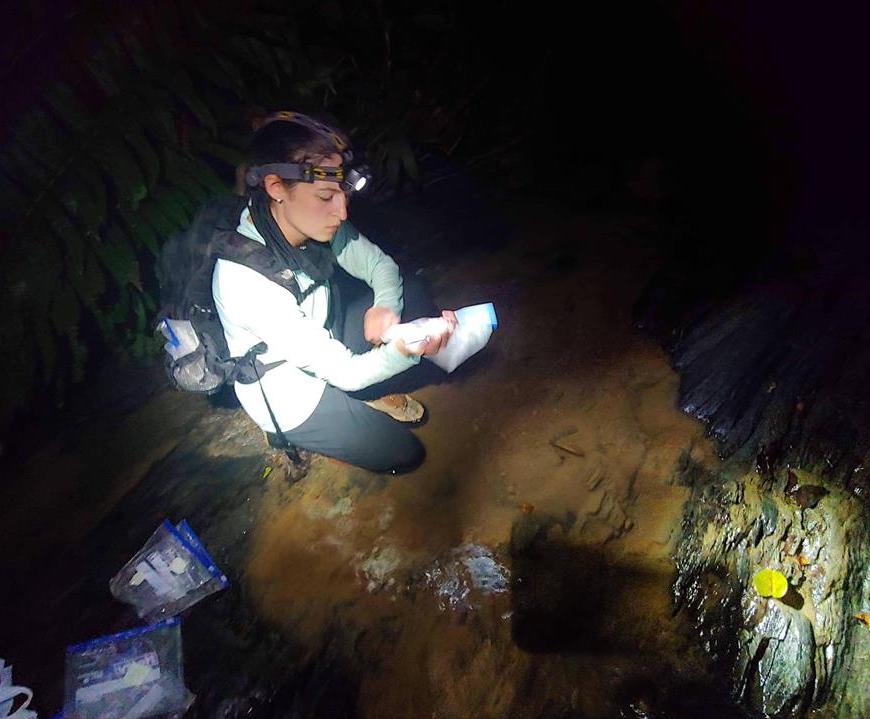
Bethan Littleford-Colquhoun (left)

In this Insight, Bethan Littleford-Colquhoun, a researcher at the University of the Sunshine Coast, Australia, talks about her recent paper, How sexual and natural selection shape sexual size dimorphism: evidence from multiple evolutionary scales.

Continue reading “How sexual and natural selection influence body size dimorphism between males and females— what processes matter at each evolutionary level.”