Amy Kirkham: Hormones reflect the impacts of reproductive rest on subsequent pregnancy in a marine predator

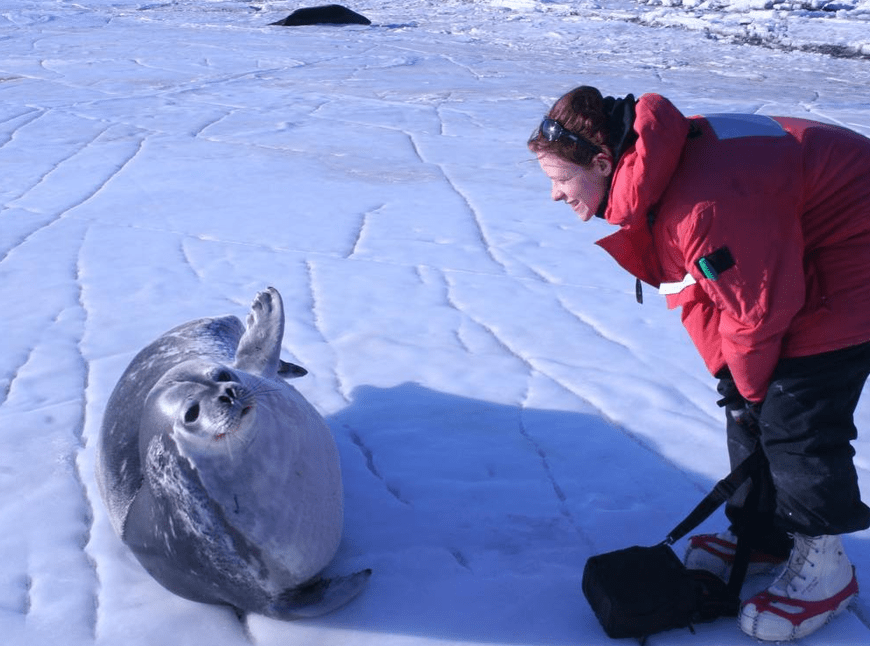
In this ‘Behind the Paper’ blog post, we’re doing things the Weddell seal way! In her recently published paper: “Hormones reflect the impacts of reproductive rest on subsequent pregnancy in a marine predator“, author Amy Kirkham, a biologist for the US Fish and Wildlife Service’s Marine Mammals Management program in Alaska, shares interesting perspectives on optimal birth timings for Weddell seals. Read about the trade-off … Continue reading Amy Kirkham: Hormones reflect the impacts of reproductive rest on subsequent pregnancy in a marine predator
Meet the Editor: Robert Rauschkolb

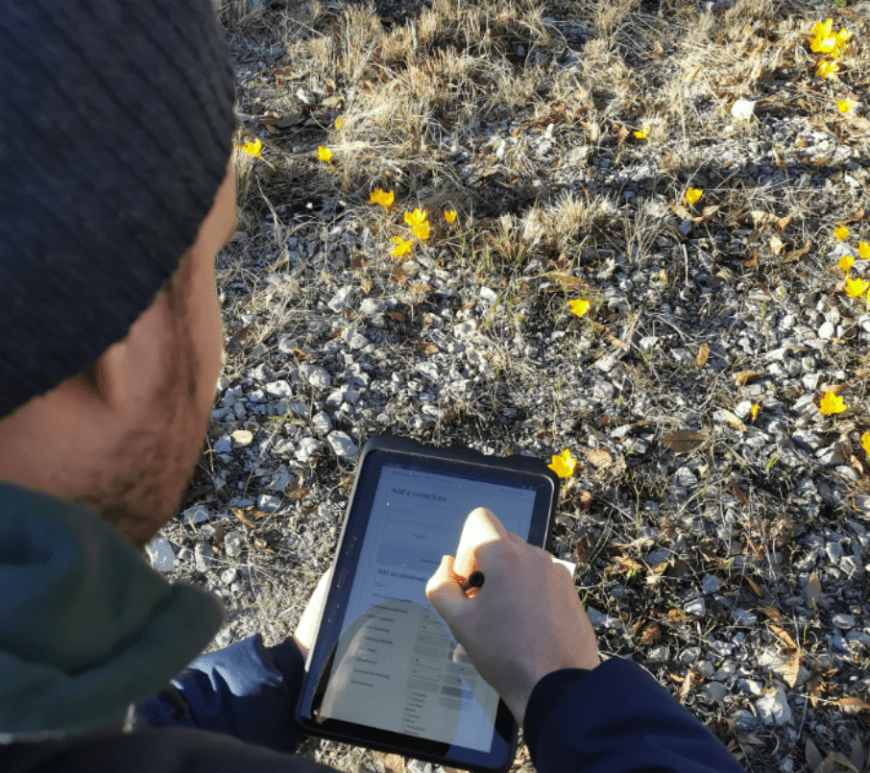
In this blog post, we hear from Associate Editor Robert Rauschkolb, Professor at the University of Jena, Germany! Robert’s primary research interests are in the understanding of phenological patterns of perennial herbaceous species including influences of abiotic factors, species’ traits and phylogeny. Why did you choose to study your particular research area?   The timing of phenological events, like flowering time, are really important for ecosystem … Continue reading Meet the Editor: Robert Rauschkolb

Théo Bodineau: The impact of nocturnal warming and prey availability during reproduction in a viviparous lizard

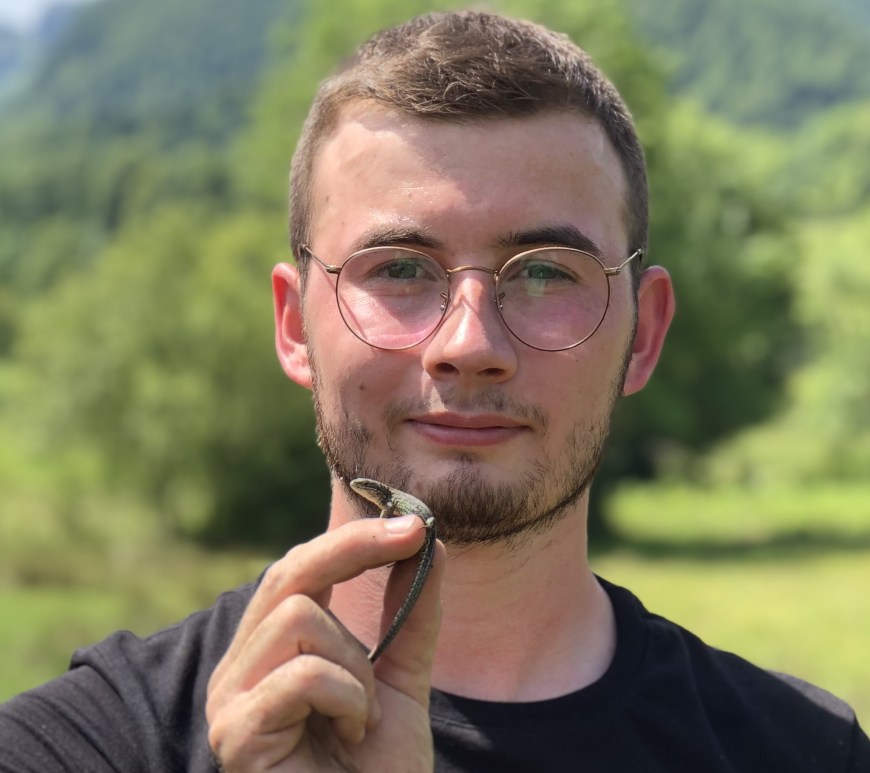
In this week’s blog post, we’re checking our calendars and addressing how climate change is causing shifts in breeding dates for reptiles! Discussing the article “A multi-trait evaluation of patterns and fitness consequences of breeding phenology plasticity with nocturnal warming and food restriction in a lizard”, Théo Bodineau explains just how sensitive the natural world can be to thermal changes from climate change and how … Continue reading Théo Bodineau: The impact of nocturnal warming and prey availability during reproduction in a viviparous lizard

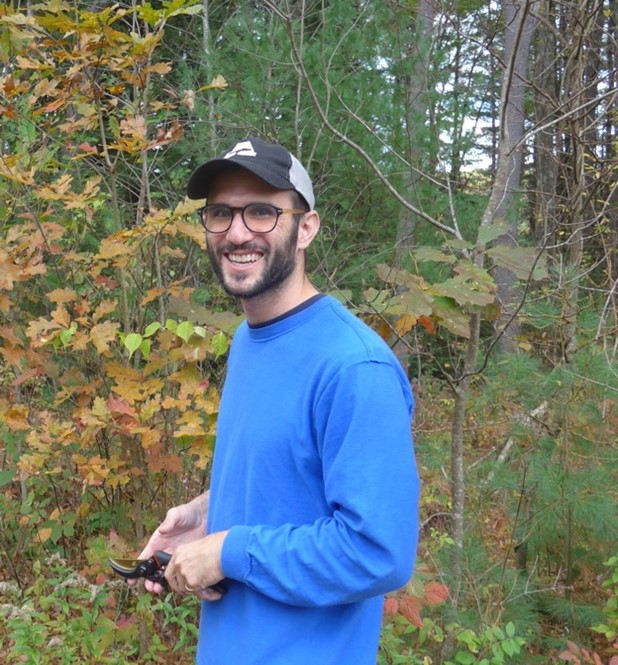
Dan Buonaiuto: Understanding the effects of temperature and light in ecological experiments—the delicate balance between complexity and inference

Dr. Dan Buonaiuto—currently a postdoc in the Department of Environmental Conservation at the University of Massachusetts-Amherst, USA—discusses his recently published Commentary “Experimental designs for testing the interactive effects of temperature and light in ecology: The problem of periodicity.” In this post, Dan discusses the serendipitous nature of this paper, the importance of interdisciplinary research and collaboration, and being in nature. About the paper Experiments in … Continue reading Dan Buonaiuto: Understanding the effects of temperature and light in ecological experiments—the delicate balance between complexity and inference

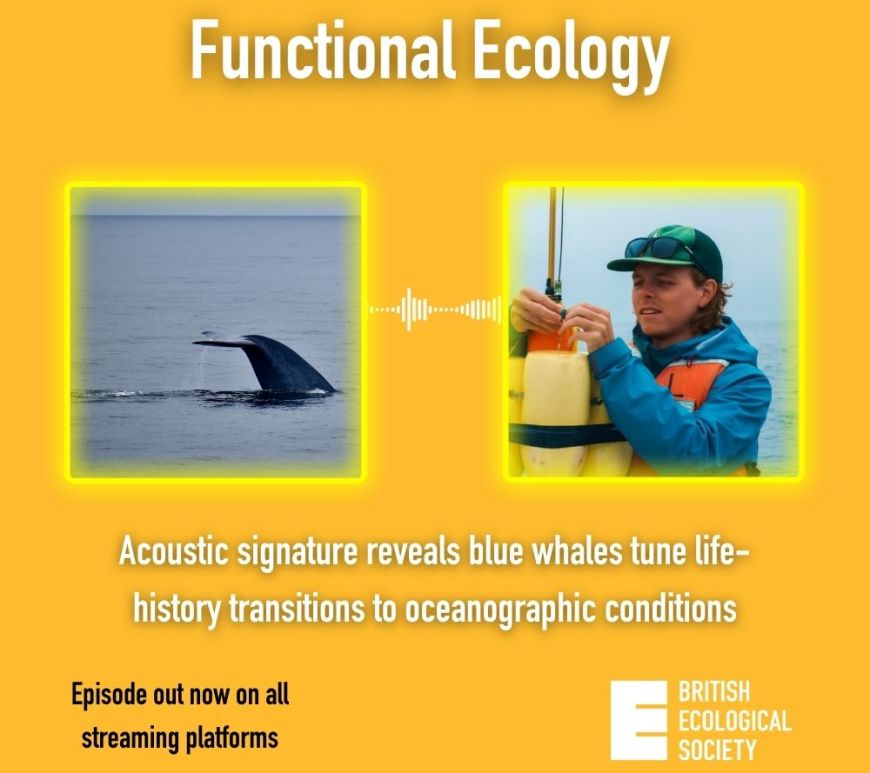
Acoustic signature reveals blue whales tune life history transitions to oceanographic conditions: Podcast Transcript

In this podcast for Functional Ecology, Assistant Editor, Frank Harris, sits down with William K. Oestreich—a postdoctoral fellow at Monterey Bay Aquarium Research Institute, USA—to discuss his recently published paper ‘Acoustic signature reveals blue whales tune life history transitions to oceanographic conditions’. Will’s paper suggests that blue whales use flexible cues, perhaps including individual sensing of food availability and social information from other individuals (blue … Continue reading Acoustic signature reveals blue whales tune life history transitions to oceanographic conditions: Podcast Transcript

Javiera Benavente: Scaling of metabolism and excretion along a temperature gradient

In this blog post, Dr. Javiera Benavente, who recently graduated with their PhD from the University of Auckland, discusses with their recently accepted paper, “Plasticity and evolution shape the scaling of metabolism and excretion along a geothermal temperature gradient.” About the paper In this paper, we investigated how phenotypic plasticity and contemporary evolutionary adaptation can shape how the size- and temperature-dependence of metabolic and excretion … Continue reading Javiera Benavente: Scaling of metabolism and excretion along a temperature gradient

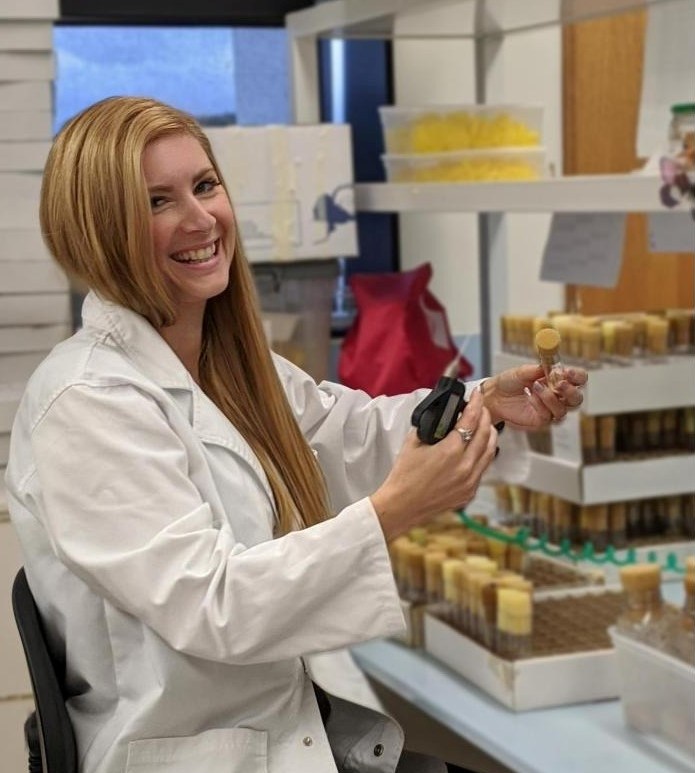
Tara-Lyn Camilleri: Parental sugar consumption modifies offspring life history and physiology

In this blog post, Tara-Lyn Camilleri, a Ph.D. candidate at Monash University in Australia, discusses her newly published paper, “Maternal and paternal sugar consumption interact to modify offspring life history and physiology”. About the paper Varying the environment of an organism can alter their physiology, which in turn alters their development time, lifespan, the rate they reproduce, the survival rate of their offspring, their body … Continue reading Tara-Lyn Camilleri: Parental sugar consumption modifies offspring life history and physiology

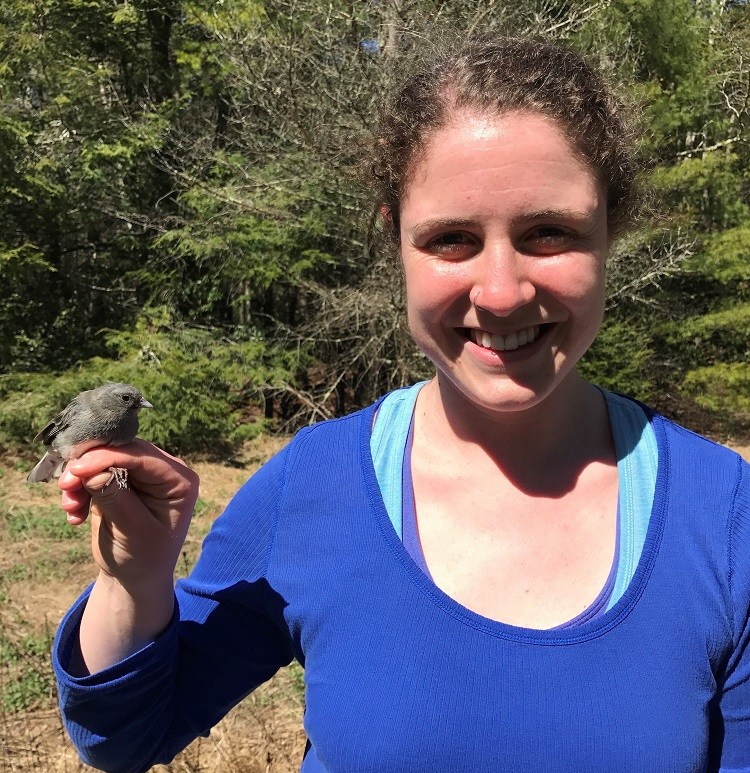
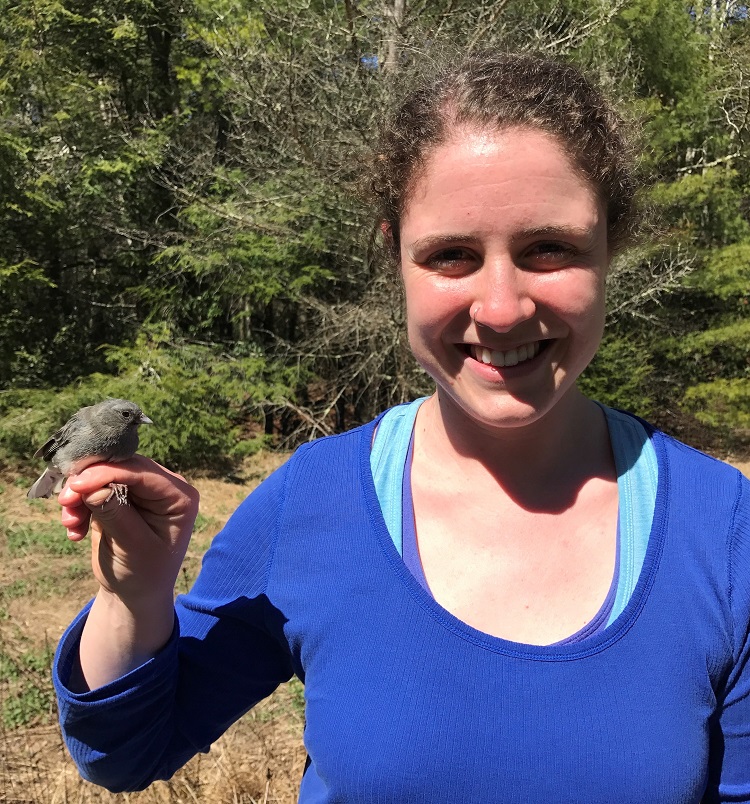
Abby Kimmitt hold a female resident junco at her field site near University of Virginia’s Mountain Lake Biological Station in Pembroke, VA. Photo Credit: Kaitlin Alford.

Abigail Kimmitt – Seasonal sympatry and timing of reproduction in dark-eyed juncos.

Abby Kimmitt hold a female resident junco at her field site near University of Virginia’s Mountain Lake Biological Station in Pembroke, VA. Photo Credit: Kaitlin Alford.

Dr. Abigail Kimmitt, a postdoctoral researcher at Texas A&M University, tells us about her paper “Migratory strategy explains differences in timing of female reproductive development in seasonally sympatric songbirds”, as well as her current projects and her journey in becoming an ecologist.

Continue reading “Abigail Kimmitt – Seasonal sympatry and timing of reproduction in dark-eyed juncos.”