Jennifer Apland: does flower temperature affect pollinator behaviour?

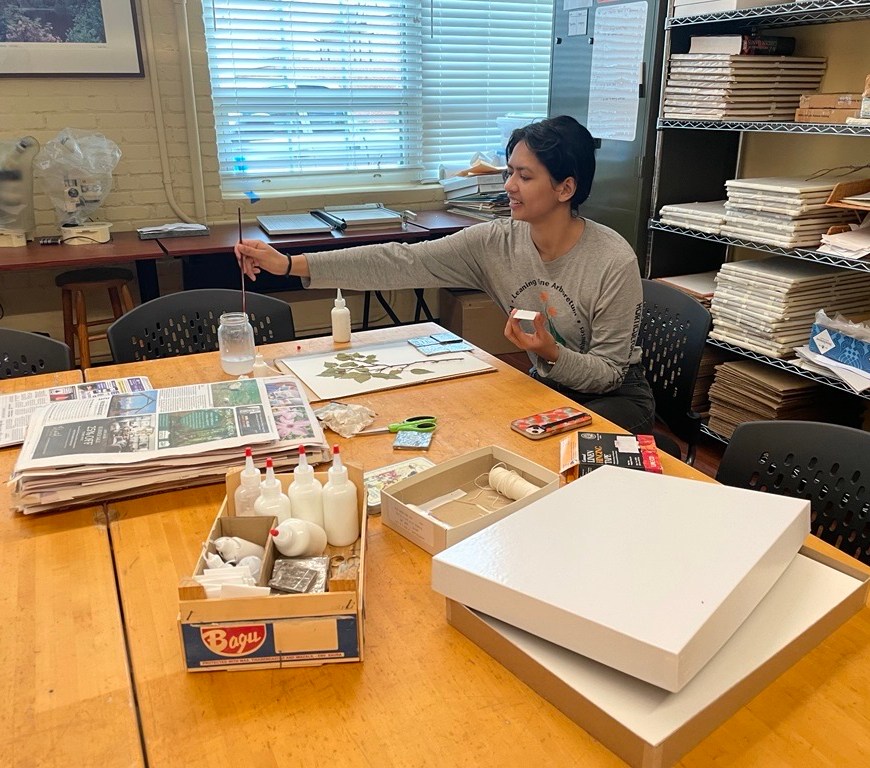
In this week’s blog post, we learn what’s the buzz about pollinators and their affinity to heat. Through her recently published paper: “Isolating the effects of floral temperature on visitation and behavior of wild bee and fly pollinators”, Jennifer explores how traits and behaviours of insect pollinators can shift according to varying flower temperatures under different environmental conditions. This work is crucial to help us … Continue reading Jennifer Apland: does flower temperature affect pollinator behaviour?

Carlos Matallana-Puerto ¡Los tricomas resbaladizos influyen en el éxito reproductivo de las flores trampa! (Español)

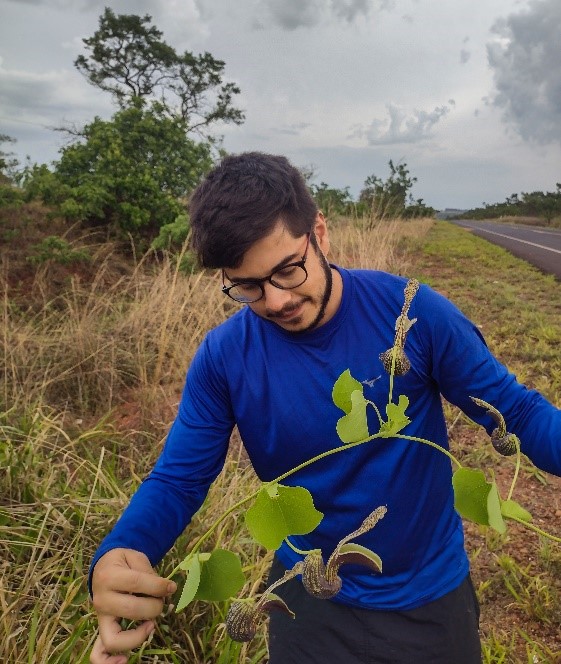
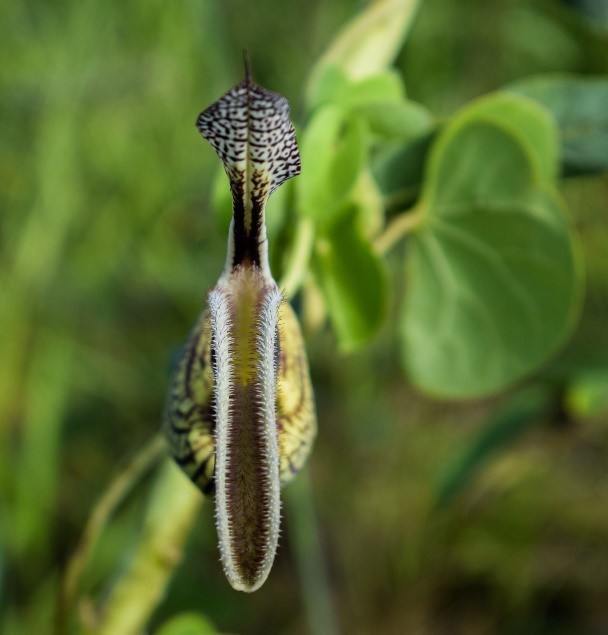
En este nuevo post, Carlos Matallana-Puerto, doctorando de la Universidade Estadual de Campinas (Brasil), presenta su trabajo “Sex, flies, and flower trap: trapping trichomes and their function in polination“. Habla de la importancia de los rasgos funcionales que se pasan por alto, comparte algunos trucos para utilizar el algodón en la investigación y anima a los jóvenes ecólogos a trasladarse al extranjero para seguir su … Continue reading Carlos Matallana-Puerto ¡Los tricomas resbaladizos influyen en el éxito reproductivo de las flores trampa! (Español)

Carlos Matallana-Puerto: Slippery hairs influence the reproductive success of trap flowers! 

In this new post Carlos Matallana-Puerto, PhD candidate at Universidade Estadual de Campinas (Brazil), presents his work ‘Sex, flies, and flower trap: trapping trichomes and their function in pollination’. He talks about the importance of overlooked traits, shares some tricks for using cotton in research, and encourages young ecologists to move abroad to pursue their research path.   A Spanish translation of this blog post is … Continue reading Carlos Matallana-Puerto: Slippery hairs influence the reproductive success of trap flowers! 

Luca Carisio: How much nectar is produced when the effect of flower-visiting insects is considered?

About the paper Our paper describes how to estimate the nutritional contribution of plants to pollinators and to other flower-visiting insects. The nutritional contribution of plants to pollinators is usually estimated by measuring—using a mesh bag—the nectar volume produced by flowers isolated for a 24 h period from flower-visiting insects. Many studies adopted this 24 h measure as a proxy of plant nectar production. When … Continue reading Luca Carisio: How much nectar is produced when the effect of flower-visiting insects is considered?