Pedro Gundel: plant-fungi symbiosis and the impact of host fitness and vertical transmission efficiency

In our new post Pedro Gundel, researcher at University of Talca (Chile) presents his work ‘Temporal host–symbiont dynamics in community contexts: Impact of host fitness and vertical transmission efficiency on symbiosis prevalence’. He shows how symbiotic species transmit between generations, discusses the complexity of ecological processes and shares the long path that paved the way to this work.  About the paper A major topic in … Continue reading Pedro Gundel: plant-fungi symbiosis and the impact of host fitness and vertical transmission efficiency
Frederick Lubbe: survivability of herbs in the winter

In this blog post Frederick Lubbe, postdoc at Institute of Botany of the Czech Academy of Sciences, presents his work ‘New opportunities for grassland species in warming temperate winters’. He talks about the importance of winter for plants, shows how plants cope with winter conditions and shares how he enjoys working in unusual ecological topics.   About the paper Climate change is happening everywhere and all … Continue reading Frederick Lubbe: survivability of herbs in the winter

Alyssa Kullber: Aclimatación temporal de la tolerancia termal en árboles a lo largo del Río Hirviente en la Amazonía.

Sobre el artículo Es posible que las plantas tropicales sean particularmente vulnerables a las altas temperaturas asociadas con el cambio climático porque han evolucionado bajo condiciones relativamente estables y no estacionales. La investigación de la vulnerabilidad de las plantas tropicales a las altas temperaturas es un gran reto, especialmente en las tierras bajas, donde simplemente no hay una analogía del clima más caluroso del futuro, … Continue reading Alyssa Kullber: Aclimatación temporal de la tolerancia termal en árboles a lo largo del Río Hirviente en la Amazonía.

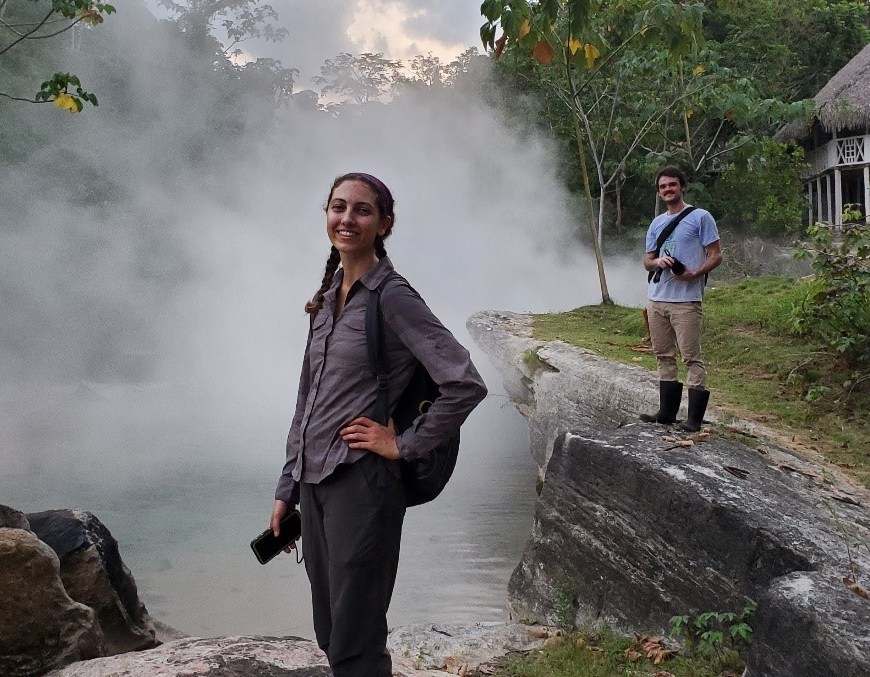
Alyssa Kullberg: Seasonal acclimation of thermal tolerance in trees growing alongside the Boiling River in the Amazon

In our last post Alyssa Kullberg, postdoc at WSL in Lausanne, presents her work ‘Seasonal acclimation of photosynthetic thermal tolerances in six woody tropical species along a thermal gradient’. Here, she discusses the need to study warming, shows her incredible experimental system and shares her road in ecology from her early concerns about climate change.   A Spanish Translation of this blog post is available here. … Continue reading Alyssa Kullberg: Seasonal acclimation of thermal tolerance in trees growing alongside the Boiling River in the Amazon

Korbinian Pacher: Understanding the dynamics behind prey motion and the performance of non-kin related group hunting predators in the open ocean.

In our latest post, Korbinian Pacher takes us out to hunt as he share insight behind the paper: “Evidence for a by-product mutualism in a group hunter depends on prey movement state”. Korbinian explains how striped marlin groups hunt schools of sardine and opens our eyes to the endless possibilities of studying behavioural ecology in the open ocean, using aerial vehicles no less!    About the … Continue reading Korbinian Pacher: Understanding the dynamics behind prey motion and the performance of non-kin related group hunting predators in the open ocean.

Carolina Reyes-Puig: species coexistence and niche segregation in Mediterranean green lizards.

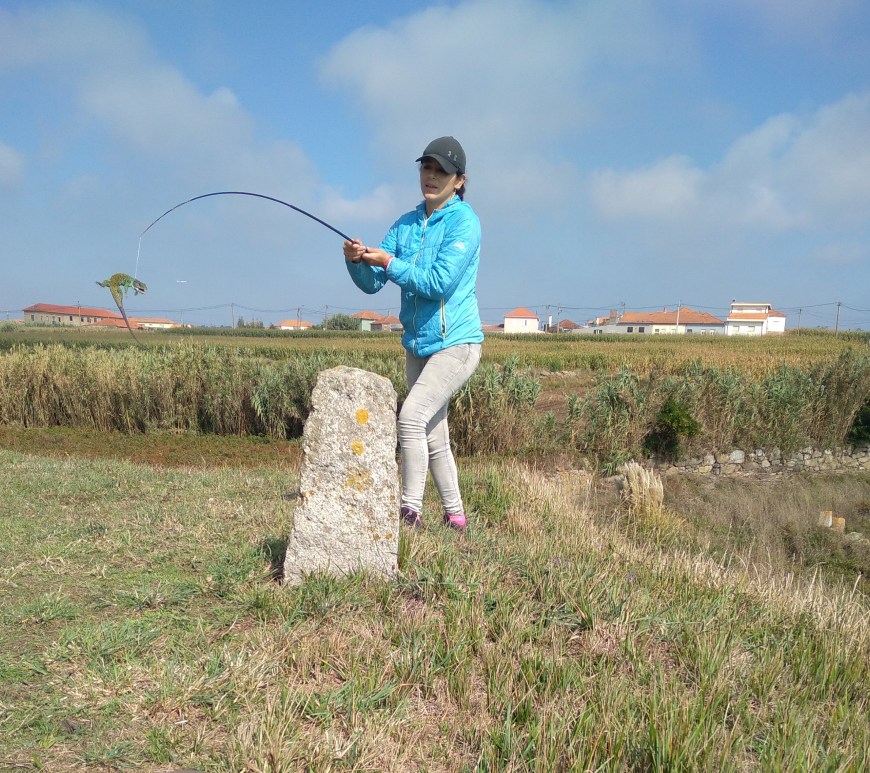
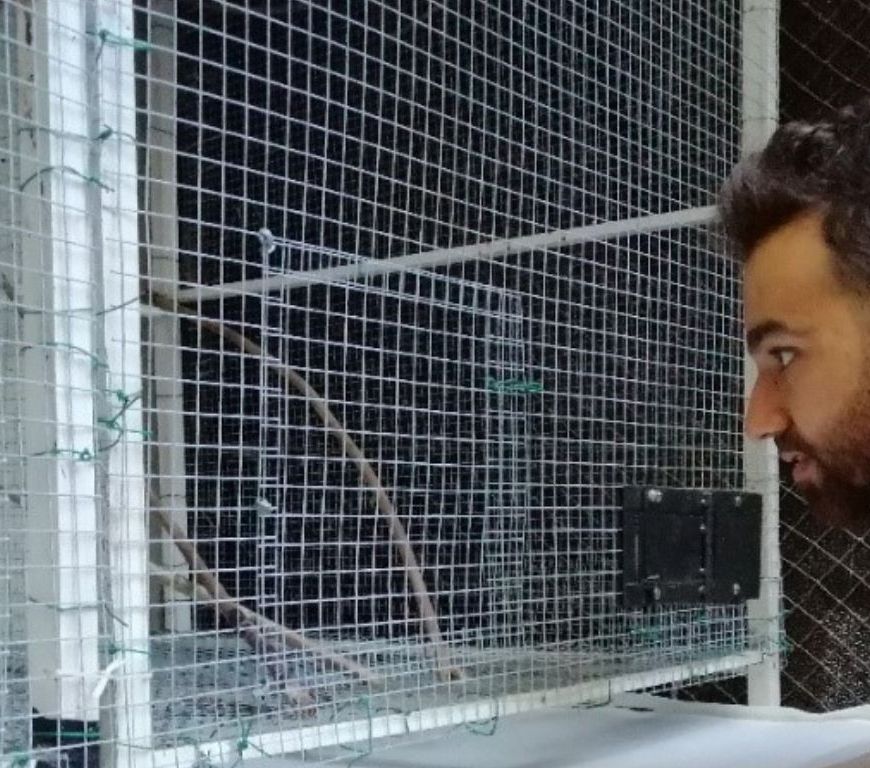
In our latest post, author Carolina Reyes-Puig asks us if it’s all about size (in this case, it is…kinda!). In their latest paper: “Is it all about size? Dismantling the integrated phenotype to understand species coexistence and niche segregation”, Carolina explores how different phenotypic traits contribute to niche segregation in Mediterranean green lizards. Carolina also highlights the importance of ecophysiology research, and staying true to … Continue reading Carolina Reyes-Puig: species coexistence and niche segregation in Mediterranean green lizards.

Pablo Urbaneja-Bernat: A herbivore-induced defense-related plant protein in honeydew enhances natural enemy fitness

In this post, Pablo Urbaneja-Bernat, tenure track at Institute of Agrifood Research and Technology (Spain), presents his work ‘Not just candy: A herbivore-induced defense-related plant protein in honeydew enhances natural enemy fitness’. He talks about unexpected interactions in ecological communities, the application of ecological research to agricultural management and the importance of inclusivity to overcome the many challenges in the path of research.  About the … Continue reading Pablo Urbaneja-Bernat: A herbivore-induced defense-related plant protein in honeydew enhances natural enemy fitness

Netta Shamir Weller: Nutritional Choices in Face of Danger: Insights from Desert Snails

In this post, author Netta Shamir Weller offers desert snail survival tips by exploring their dietary choices when faced with predation stress. With their behind the paper post for their article “Constraints and demands interact to affect prey dietary reaction to predation”, Netta shares how fascinating and unpredictable nature can be when looking at predator-prey interactions and reiterates the importance of doing what you love. … Continue reading Netta Shamir Weller: Nutritional Choices in Face of Danger: Insights from Desert Snails

Claudio Açaí Bracho-Estévanez: Plant traits determine seed retention times in frugivorous birds: Implications for long-distance seed dispersal.

In our latest post, Claudio Açaí Bracho-Estévanez shares with us how intricate the relationship between producer and consumer is! Claudio explains the beauty behind their paper: ‘Plant traits determine seed retention times in frugivorous birds: Implications for long-distance seed dispersal‘, which explores how seed size also serves as an important factor for how long seeds can be retained and dispersed in frugivorous birds!   About the … Continue reading Claudio Açaí Bracho-Estévanez: Plant traits determine seed retention times in frugivorous birds: Implications for long-distance seed dispersal.

Rebecca Oester : Disentangling how riparian forests shape trophic interactions in detritus-based stream food webs

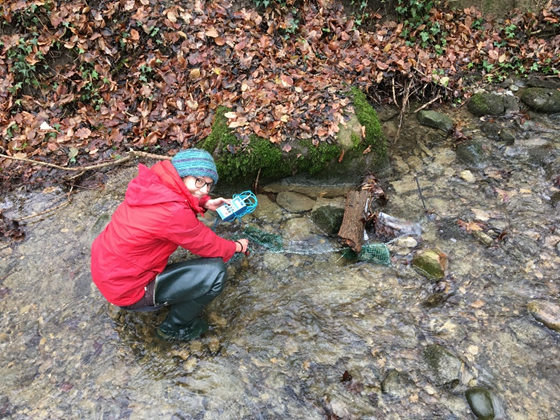
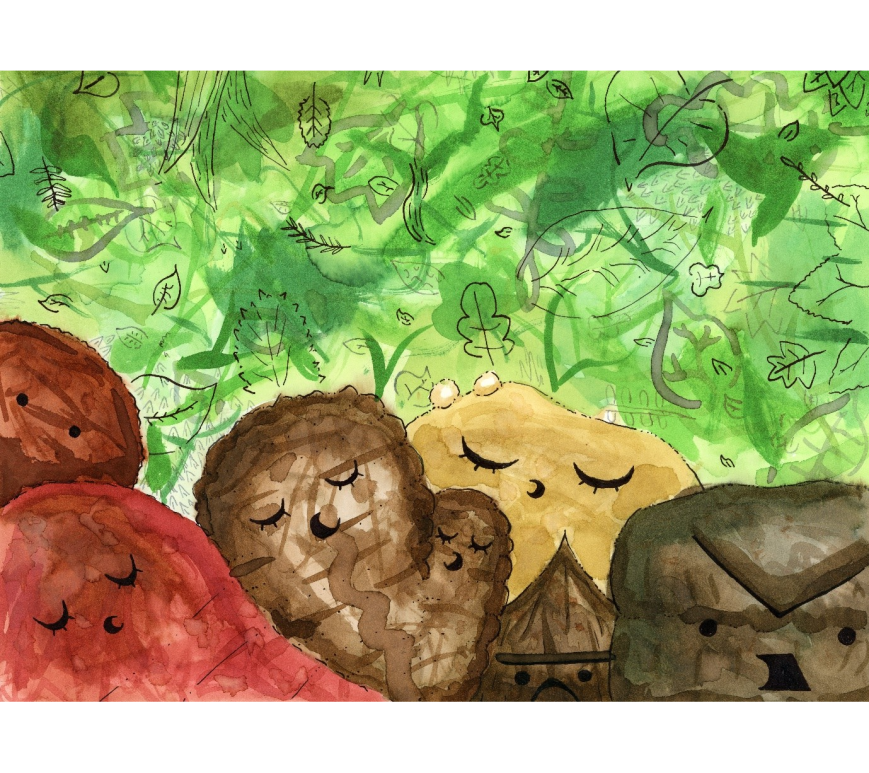
Authors Rebecca Oester, Florian Altermatt and Andreas Bruder take a cold dip into Riparian forests and how they influence trophic interactions. In this blog post, lead author Rebecca, a PhD student at the University of Zurich, EAWAG and SUPSI Switzerland, shares insight behind their paper: “Riparian forests shape trophic interactions in detrital stream food webs”. She explains just how fascinating (and important!) freshwater and terrestrial … Continue reading Rebecca Oester : Disentangling how riparian forests shape trophic interactions in detritus-based stream food webs