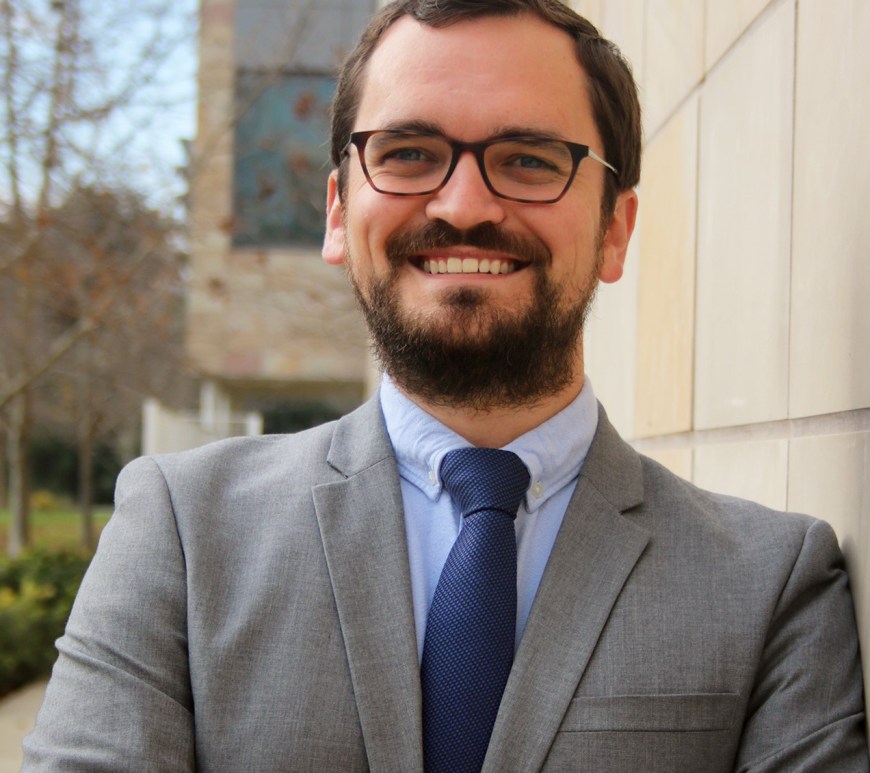
Elizabeth Mendoza. Photo credit: UC Irvine Graduate Division

Elizabeth Mendoza: Variation in jumping power in anurans

Elizabeth Mendoza, a PhD student at UC Irvine in the Department of Ecology and Evolutionary Biology, discusses with us her paper “What explains vast differences in jumping power within a clade? Diversity, ecology, and evolution of anuran jumping power”, along with her journey into ecology, her current research interests, and hobbies.

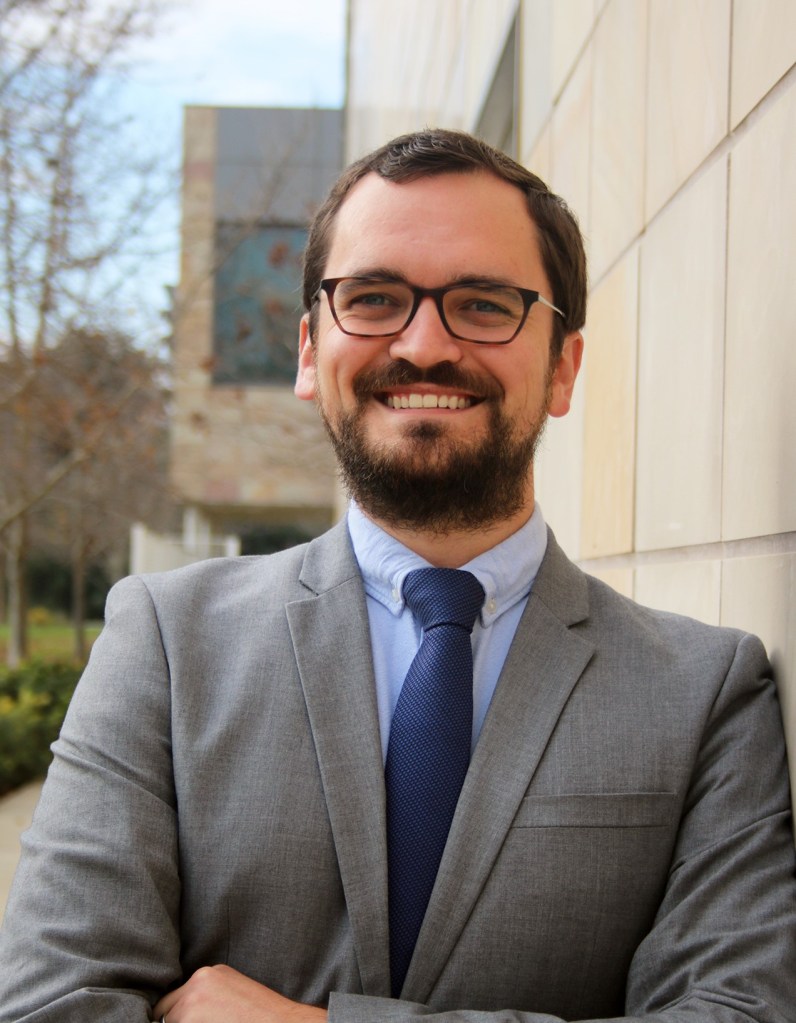
Elizabeth Mendoza. Photo credit: UC Irvine Graduate Division
Continue reading “Elizabeth Mendoza: Variation in jumping power in anurans”

Daniel Winkler: “Mixed-bag” strategies can help plant species cope with changing climate

In this Insight, Daniel Winkler, a Research Ecologist with the U.S. Geological Survey’s Southwest Biological Science Center, discusses his paper Earlier plant growth helps compensate for reduced carbon fixation after 13 years of warming – recently shortlisted for the Haldane Prize for Early Career Researchers.

Continue reading “Daniel Winkler: “Mixed-bag” strategies can help plant species cope with changing climate”
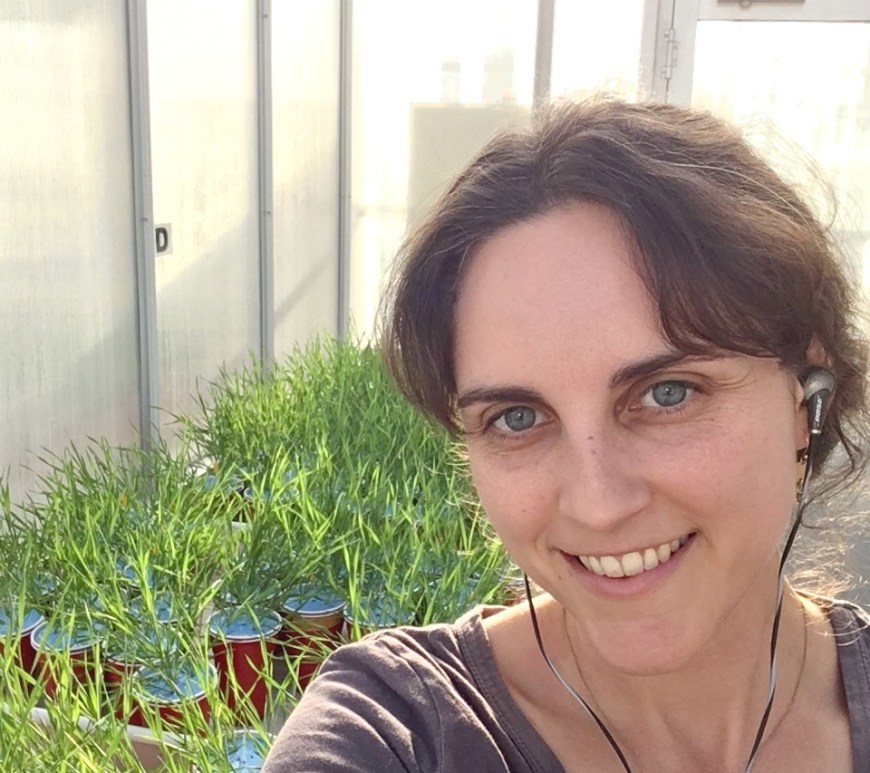
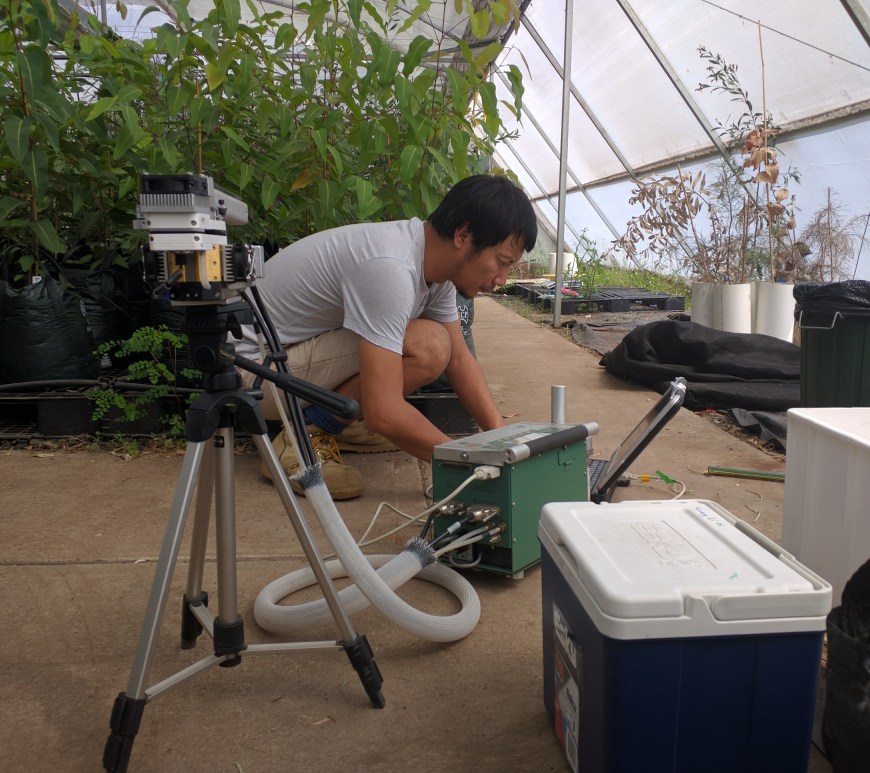
Casey Hall in the glasshouse, with the grass Brachypodium distachyon growing in hydroponics

Casey Hall: Plant defence against insects in a changing climate

Casey Hall is a postdoctoral researcher at The Hawkesbury Institute for the Environment, Western Sydney University looking at plant defence against insects in a changing climate. In this Insight, she talks about her erecent paper Elevated atmospheric CO2 suppresses jasmonate and silicon‐based defences without affecting herbivores.

Continue reading “Casey Hall: Plant defence against insects in a changing climate”

Jennifer Jones: The importance of bark decomposition

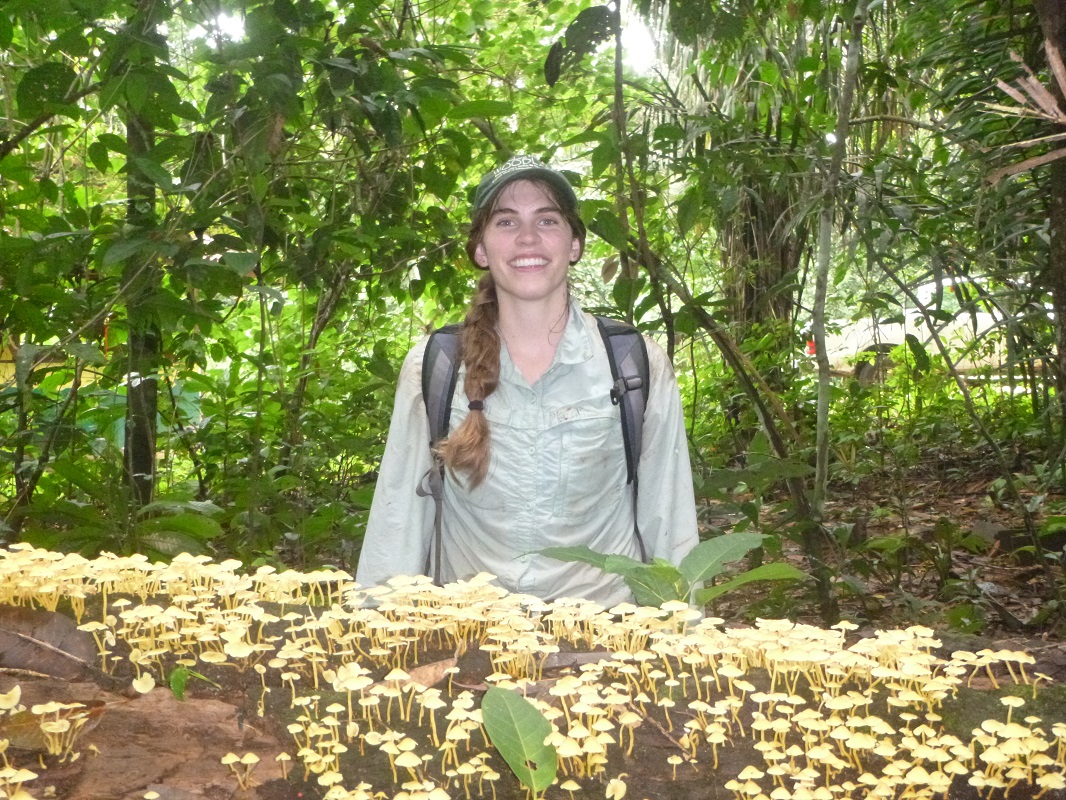
Admiring some nearby fungi (photo by Astrid Ferrer)

In our latest Insight, Jennifer Jones, a researcher at Michigan State University talks about her recent paper, Habitat‐specific effects of bark on wood decomposition: Influences of fragmentation, nitrogen concentration and microbial community composition, moving from policy to research and what happens when a tree falls in wood (and across your experiment.)

Continue reading “Jennifer Jones: The importance of bark decomposition”

Joshua Garcia: dynamic network modelling for microbiome studies

Joshua Garcia is a third year PhD student in the School of Integrative Plant Science at Cornell University studying rhizosphere microbiomes. In this post, he talks about his recent Perspective paper “Can dynamic network modelling be used to identify adaptive microbiomes?”

Joshua Garcia
Joshua Garcia
Continue reading “Joshua Garcia: dynamic network modelling for microbiome studies”
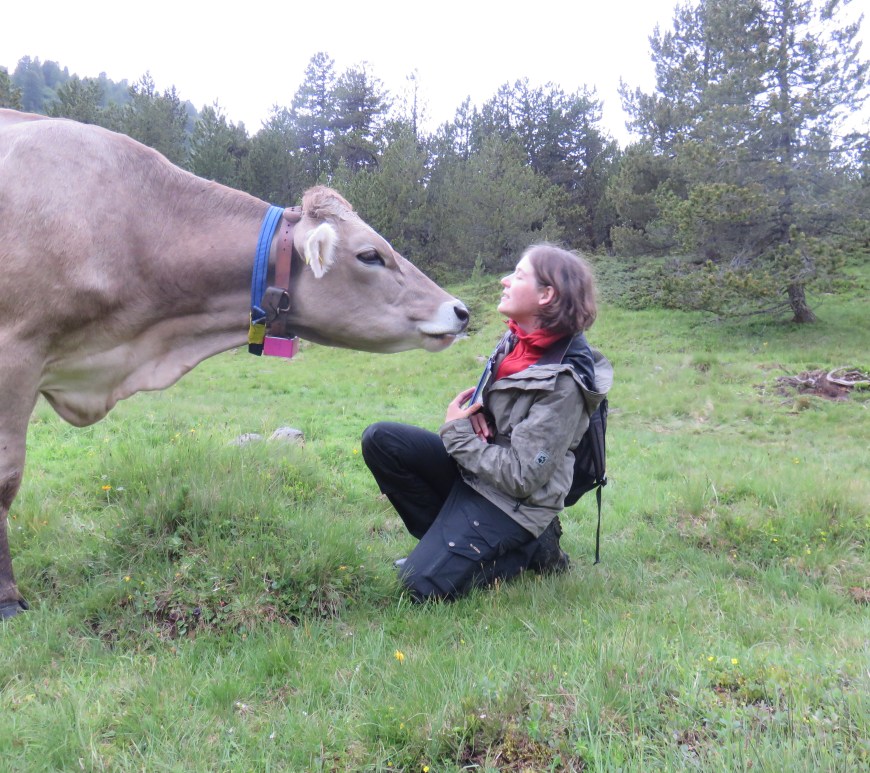
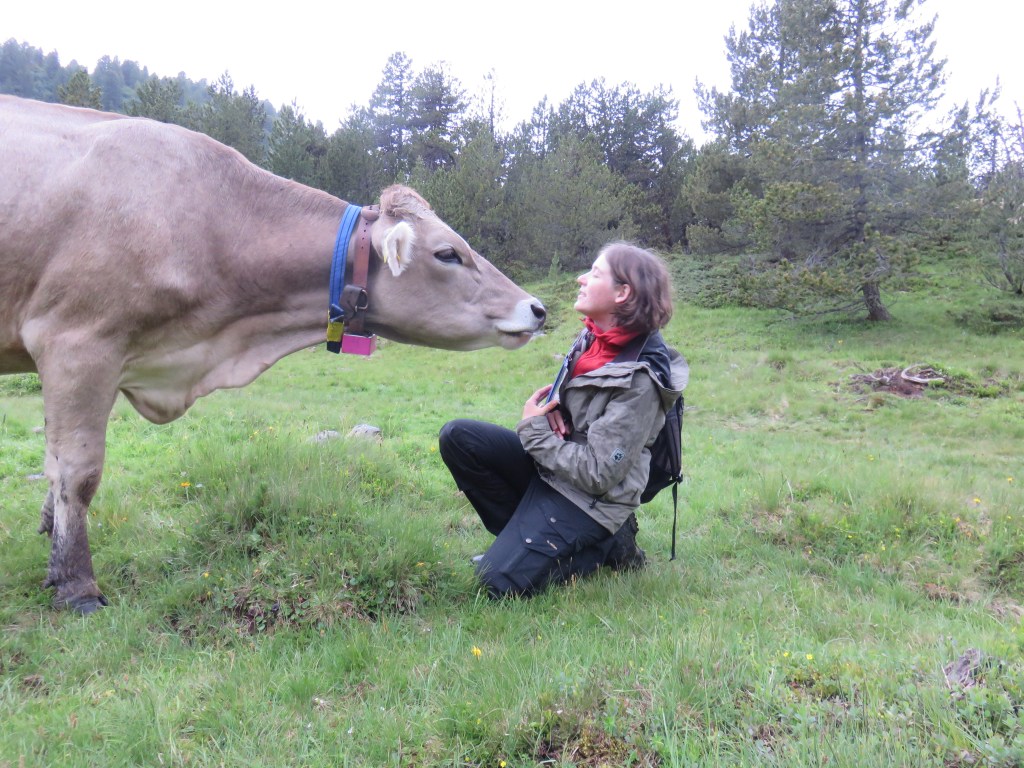
Caren Pauler enjoys working with cattle, especially in the harsh environmental conditions of her study area in the Swiss Alps (photo by Manuel Schneider).

Caren Pauler: Choosy grazers (Why plants are tasty to cattle and why Highland cattle eat almost everything)

Caren Pauler enjoys working with cattle, especially in the harsh environmental conditions of her study area in the Swiss Alps (photo by Manuel Schneider).

Caren Pauler is currently a Ph.D. student at Agroscope in Zürich and the Centre for Organismal Studies, University of Heidelberg. Caren will be defending her PhD this July. In this insight, Caren discusses with us her article “Choosy grazers: Influence of plant traits on forage selection by three cattle breeds” and how her interest in ecology was shaped.

Continue reading “Caren Pauler: Choosy grazers (Why plants are tasty to cattle and why Highland cattle eat almost everything)”

Rafael Dudeque Zenni: co-occuring invasive species leave a lingering impact

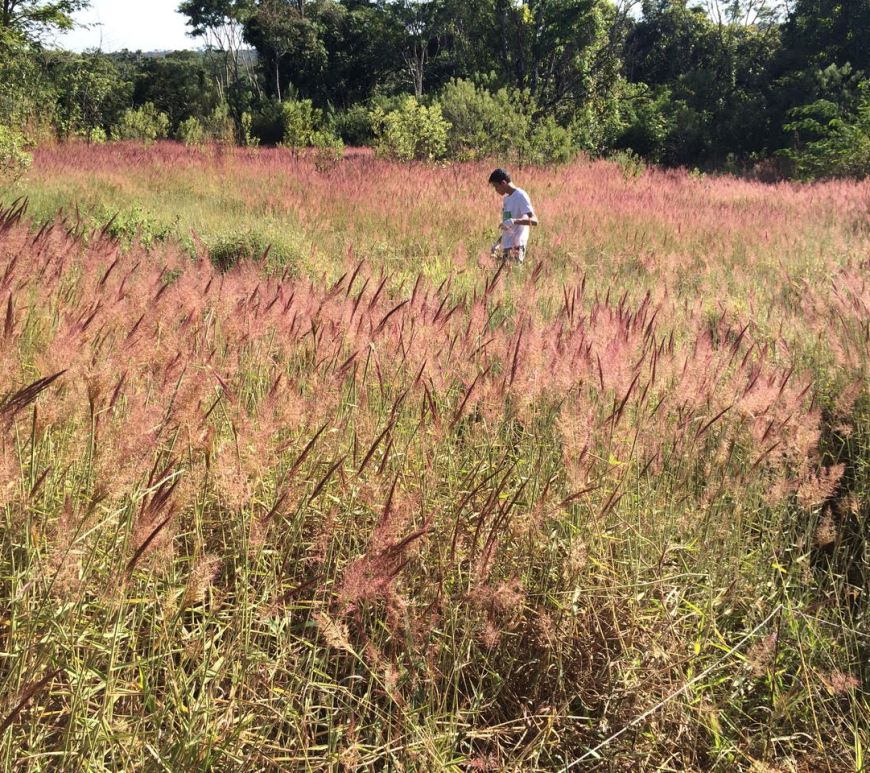
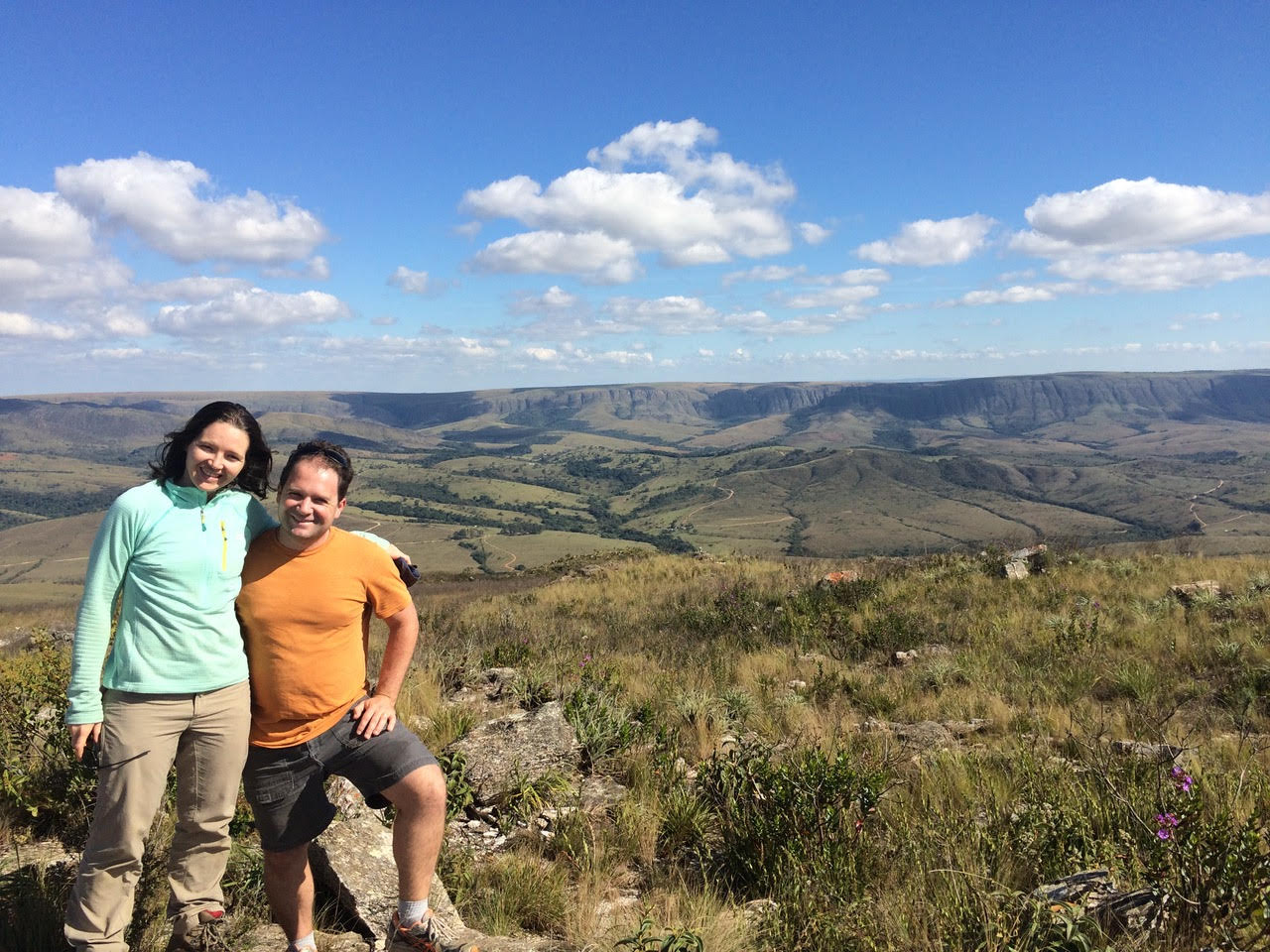
In this Insight, Rafael Dudeque Zenni talks about his recent research looking at how co-occurring invasive species join forces for increased and persistent impact on the ecosystem and why the the Cerrado of Brazil was the perfect place for this experiment.

Rafael Dudeque Zenni
Continue reading “Rafael Dudeque Zenni: co-occuring invasive species leave a lingering impact”
My favorite goat, nanny number 418 behind a rock. Credit Frédéric Dulude-de Broin

Frédéric Dulude-de Broin: Predators suppress prey reproduction through chronic physiological stress

Frédéric Dulude-de Broin is a wildlife ecologist interested in understanding how predation risk influences individual life-history decisions, affects population dynamic and shapes ecological communities. Frédéric recently completed a master’s degree on the impact of non-consumptive effects of predation on mountain goat reproduction. He is now starting a PhD at Laval University (Québec, Canada) on the role of predation as a driver of arctic terrestrial biodiversity. Here, he discusses his paper “Predation risk and mountain goat reproduction: Evidence for stress-induced breeding suppression in a wild ungulate.

Continue reading “Frédéric Dulude-de Broin: Predators suppress prey reproduction through chronic physiological stress”
Martin boating in Northern Moreton Bay, Australia. Photo courtesy of Dr. Martyna Grabowska.

Martin Luehrmann: Evolution of colour vision in coral reef fishes

Martin Luehrmann is a recent Ph.D. graduate at the University of Queensland in Australia. Here, Martin discusses with us his paper “Microhabitat partitioning correlates with opsin gene expression in coral reef cardinalfishes (Apogonidae)”, as well as his interest in ecology and his hobbies outside of research.

Continue reading “Martin Luehrmann: Evolution of colour vision in coral reef fishes”