Welcome on board!
Last year, Functional Ecology welcomed 15 new Associate Editors from 9 different countries to the journal as part of the cross-journal open call for AEs. Read more about our new associate editors and their interests below.
Last year, Functional Ecology welcomed 15 new Associate Editors from 9 different countries to the journal as part of the cross-journal open call for AEs. Read more about our new associate editors and their interests below.
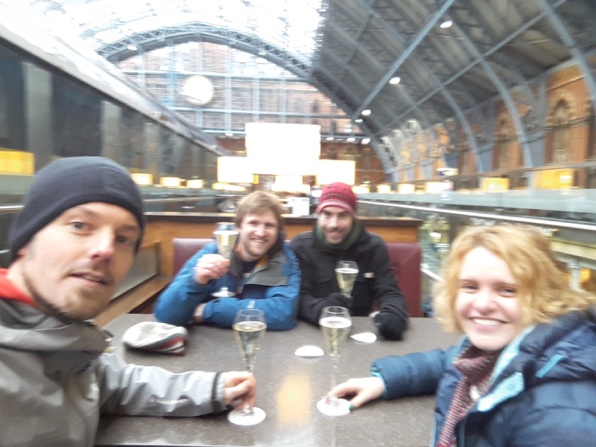
From 11 to 14 December 2017, the British Ecological Society, the Ecological Society of Germany, Austria and Switzerland (GFÖ), NecoV (the ecological society of the Netherlands and Flanders) and the European Ecological Federation organized a ‘border-crossing event’ in the historic city of Ghent, Belgium. A full-house, with over 1500 delegates from across the globe delivering about 600 presentations spread over 72 parallel sessions. Ecology Across Borders was a 72-hour period of fantastic science, meeting old friend, making new ones; all in the setting of wonderful and picturesque Ghent.
Continue reading “A personal view on EAB from Bjorn Robroek”
Dear all, I’d like to first take the opportunity to wish you all a very happy, healthy and successful 2018. I hope that in the year that lies ahead, this blog will contribute to your work and may inspire you to submit your best work to Functional Ecology. Let me also take the opportunity to thank all contributors to our columns Insights, Hindsight, and Community+Ecology. … Continue reading Tasters: 09/01/2018
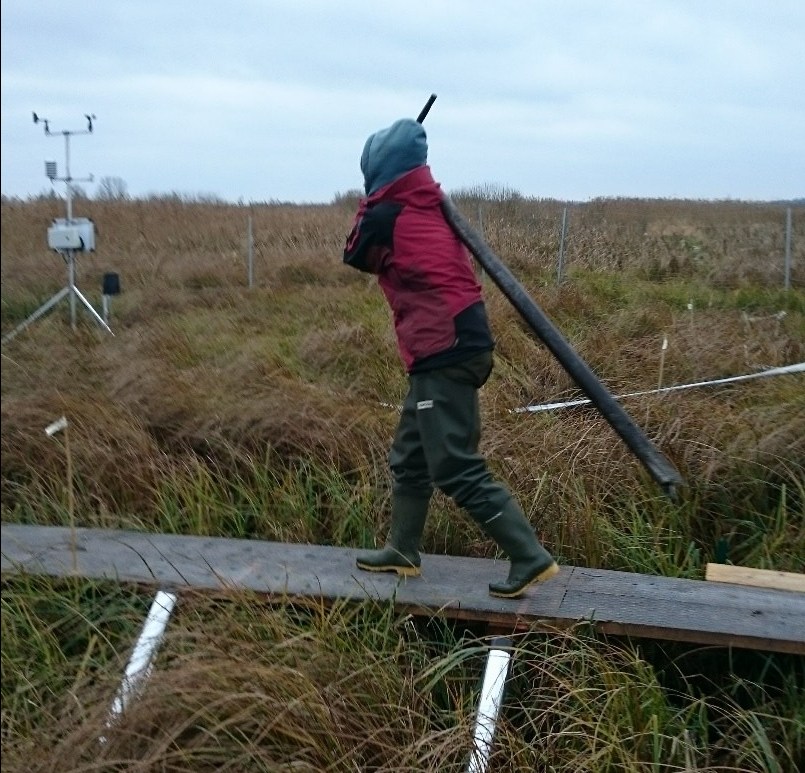
Finally, the end of the field-season has also reached me in the temperate peatlands. I’m not yet sure if it’s an advantage or disadvantage, that, after moving from the sub-Arctic to the temperate zone, my field-season is suddenly MUCH longer… Anyway, after a long period of preparation, we were finally ready to install tea- and litterbags in the field for our project about plant biomass … Continue reading Ecologist’s Diary with Gesche Blume-Werry: End-of-season season’s greetings!
Next week is the Ecology Across Boarders meeting in Ghent. At the meeting, a number of the BES Special Interest Groups are running workshops, social events and meet-ups. To find out more about the SIGs, we’ve invited them to talk about who they are, what they do, what to look out for at the Ecology Across Borders meeting, and what their plans are for 2018.
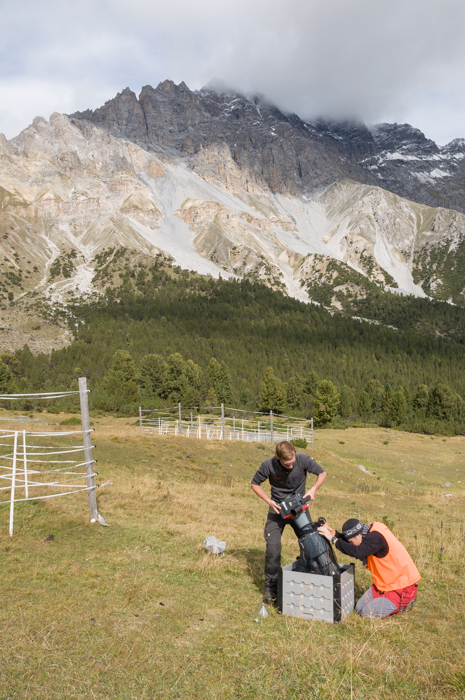
In Insights we discover the story behind and beyond a recent publication in Functional Ecology. What inspired the authors to do the research, and how did the project develop leading to the final publication? What implications might their results have on the scientific community and on society?
This week, Bjorn talks to Martijn Vandegehuchte about his paper, Mammalian herbivores affect leafhoppers associated with specific plant functional types at different timescales (plain language summary here.) Martin recently moved from WSL (the Swiss Federal Institute for Forest, Snow and Landscape Research) to Ghent University in Belgium. With his colleagues in Switzerland, Martijn studied multitrophic herbivory interactions in the Swiss National Park.
Recently accepted in Functional Ecology, a very interesting paper describing environmental conditions as an important determinant for the phenology of bird plumage. Nature Ecology & Evolution last week published a paper that shows that the effects of biodiversity on ecosystem multifunctionality increase with increasing number of functions. These findings are in stark contrast with a paper published just over 5 months earlier, which makes the … Continue reading Tuesday Tasters: 28/11/2017
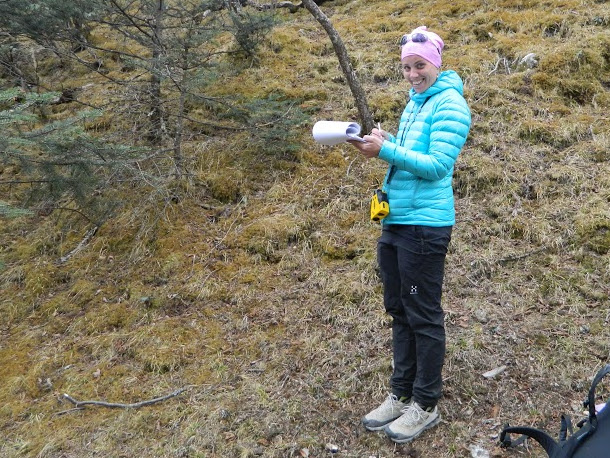
In Insights we discover the story behind a recent publication in Functional Ecology: what inspired the authors to do the research, how did the project develop and what wider impact might the work have?
 This week Bjorn talks to Angela Prendin about her article, Axial xylem architecture of Larix decidua exposed to CO2 enrichment and soil warming at the tree line. Angela is affiliated with the Department of Land, Environment, Agriculture and Forestry (TESAF) of the University of Padova, Italy. With her collaborators at the Swiss Federal Institute for Forest, Snow and Landscape Research (WSL), she studied the xylem architecture of Larch in response to CO2 fertilisation and soil warming. You can also read the free plain language summary here: The treetop is the hotspot determining growth in larch trees
Already sideways highlighted by Jennifer last week, Nature Ecology and Evolution have published a list of the 100 articles every ecologist should read. Many critical notes have followed (have a look for yourself); for example on how the list has been compiled, the average age of the listed paper (c. 38 years old), its gender bias, etc. I am excited to read these critiques and … Continue reading Tuesday Tasters: 21/11/2017

 Functional Ecologists