Diana Tataru: Studying at my Dream Site

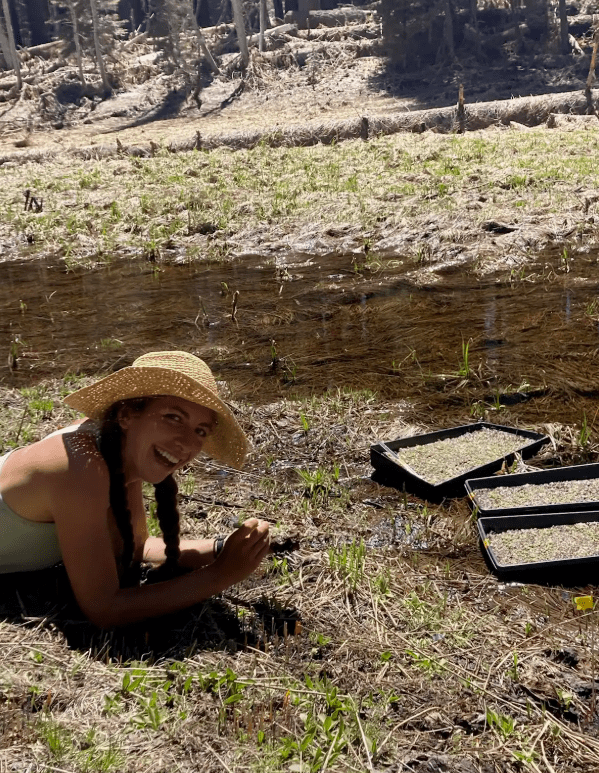
In this ‘Postcards from the Field’ blog post, Dr Diana Tataru – based at Tulane University – discusses their work on monkeyflowers in the beautiful Yosemite National Park, California! Diana shares plant-level perspectives, top tips for fieldwork, and future studies in the Eastern Sierra Nevadas. Profile I am interested in how plants adapt and survive in changing environments! I’m especially interested in extreme environments, like … Continue reading Diana Tataru: Studying at my Dream Site

Black History Month 2024: Dr Saheed Olaide Jimoh

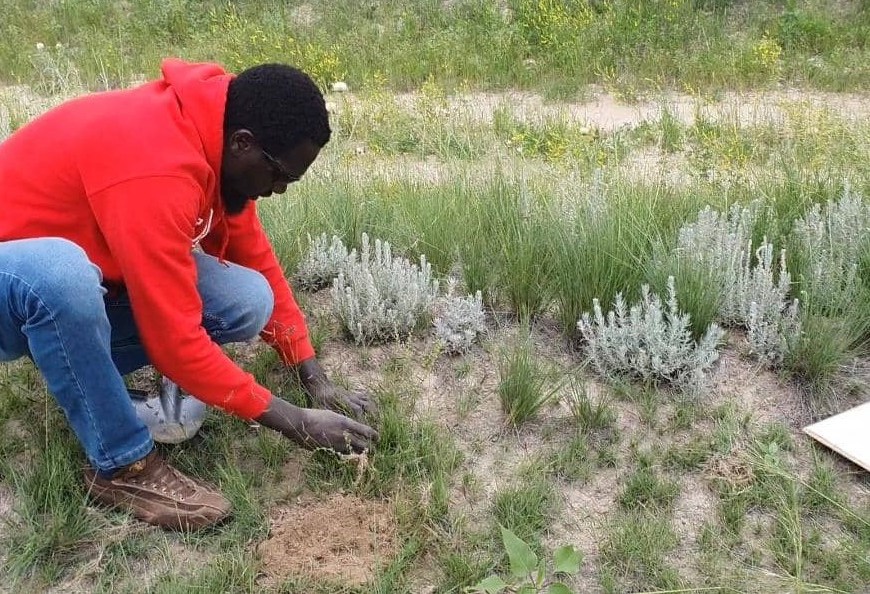
For Black History Month 2024, the British Ecological Society (BES) journals are celebrating the work of Black ecologists around the world and sharing their stories. In this blog, Dr Saheed Olaide Jimoh shares his story. Biography Name: Saheed Olaide Jimoh Pronouns: He/Him Affiliation: Postdoctoral Research Associate at the University of Wyoming, USA Website/social media links: Ecology interests in three keywords: 1. Functional ecology  2. Belowground … Continue reading Black History Month 2024: Dr Saheed Olaide Jimoh

Clara Castellano—Understanding the Impact of Rural Abandonment on Ecological Processes in Mediterranean Ecosystems

In this blog post, Clara Castellano—from the Department of Agrarian and Environmental Science at the University of Zaragoza, Huesca, Spain—discusses working on the ARBIO Project in the Middle Ebro River Valley, the joys of fieldwork, and what the future holds. Profile I’m interested in ecology in general, and specifically in nature conservation and ecological restoration. Throughout my scientific career, I have studied ecosystem services (i.e., … Continue reading Clara Castellano—Understanding the Impact of Rural Abandonment on Ecological Processes in Mediterranean Ecosystems

Nate Anderson: My unexpected path to academia

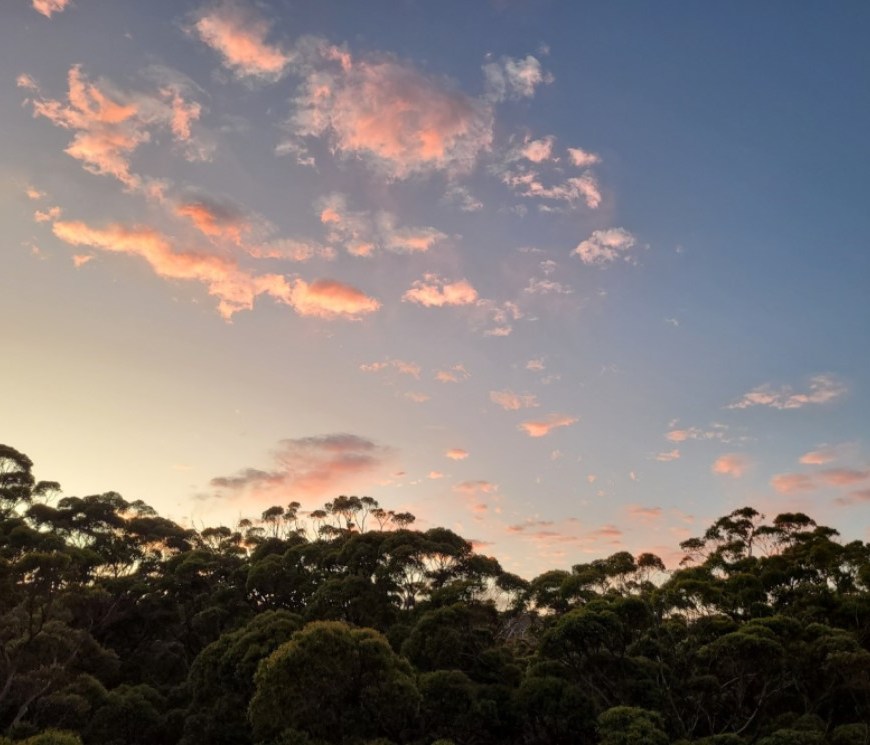
In our latest post, Nate Anderson—a researcher at the University of Western Australia—discusses the healing and regenerative benefits of time spent in nature, working in majestic Red Tingle forests, and the dangerous aspects of fieldwork in his study site. Profile I have followed a roundabout path to research. In 2008, my best friend committed suicide. I didn’t know how to process my grief or come … Continue reading Nate Anderson: My unexpected path to academia

Ikegwu Chukwudi Michael: The journey of a conservation biologist

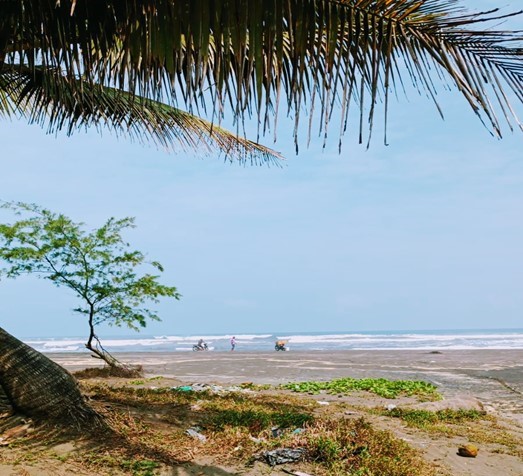
In this new post, Ikegwu Chukwudi Michael—from the Faculty of Biology, Universitas Jenderal Soedirman, Indonesia—discusses seeking opportunities to implement the theories concerning biological principles and practices, and working to develop fundamental skills and progress towards delivering best outcomes. Ikegwu wishes to become an active part of biological research involving biodiversity, conservation, and ecology. Profile My love and passion for life led me to study Biology … Continue reading Ikegwu Chukwudi Michael: The journey of a conservation biologist

Julia Koricheva: Exploring the hidden links—tree diversity effects in Finnish boreal forests

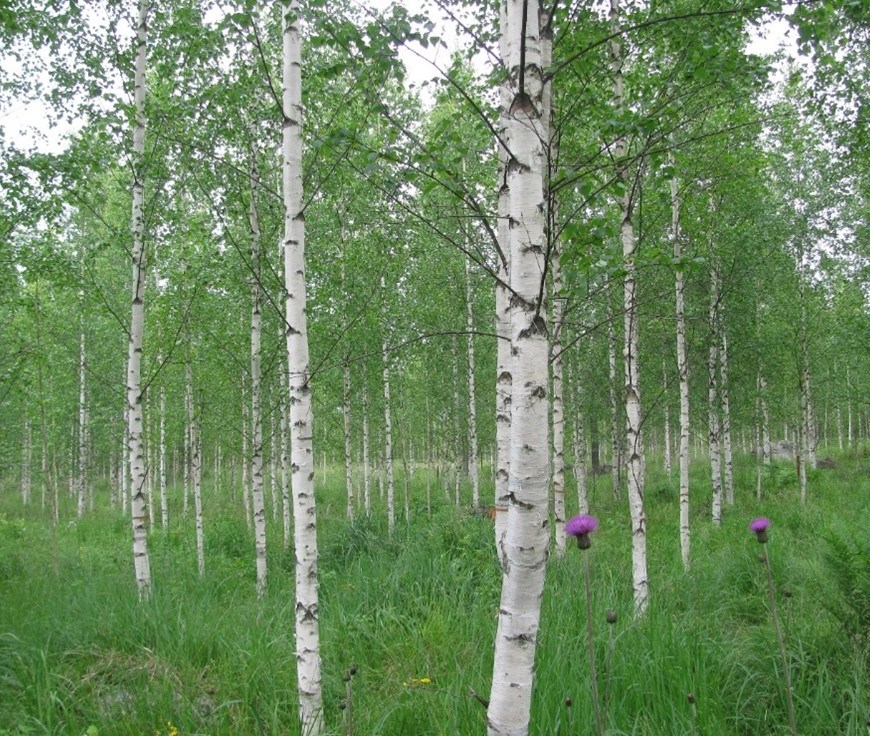
In our new post, Julia Koricheva—a researcher at Royal Holloway University of London, UK—discusses her interest in effects of plant diversity on ecosystem functioning. Having worked extensively on long-term forest diversity experiments in Finland, Julia is particularly interested in the biodiversity and functionality of boreal forest ecosystems. She also works on the evolution and ecology of plant-herbivore interactions, including mechanisms of plant defense.  As more … Continue reading Julia Koricheva: Exploring the hidden links—tree diversity effects in Finnish boreal forests

Ana Porto: Brazil isn’t just trees—working in grasslands in a country conventionally seen as a big forest

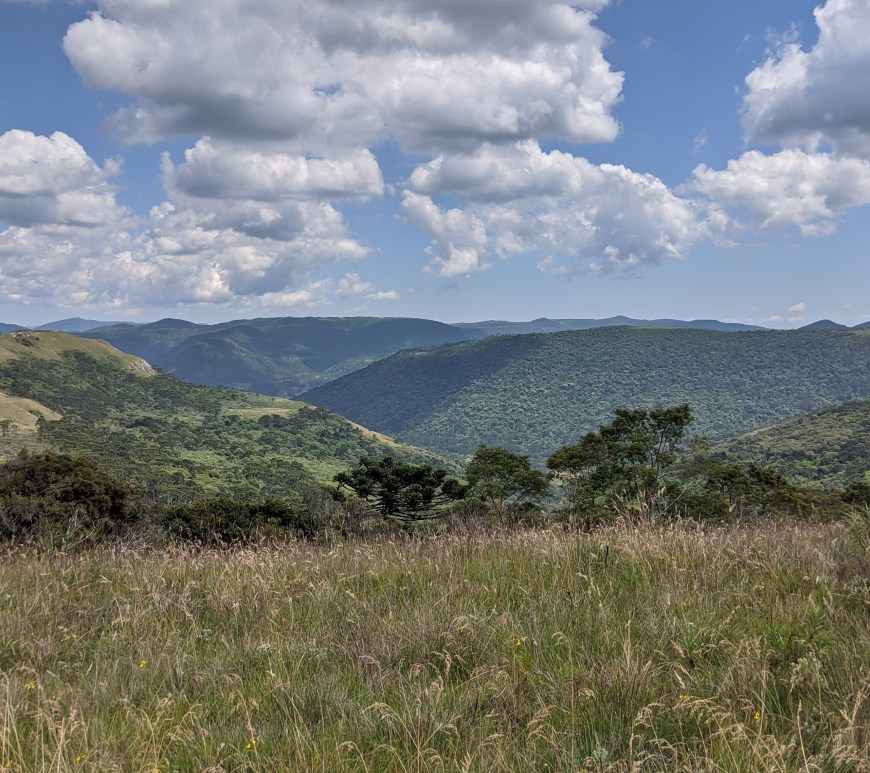
In this blogpost, Ana Porto—from the Federal University of Santa Catarina (UFSC), Brazil—describes their interest in grasslands restoration ecology. Ana is particularly interested in grassland restoration techniques using hay and direct seeding. Ana is also interested in the community vegetation of this ecosystem, mainly following its development after endogenous and exogenous disturbances (e.g. grazing, fire, afforestation, and biological invasions). Profile I arrived at this topic … Continue reading Ana Porto: Brazil isn’t just trees—working in grasslands in a country conventionally seen as a big forest

Monica McCard: Exploring Lionfish Ecology—A Research Expedition in Honduras

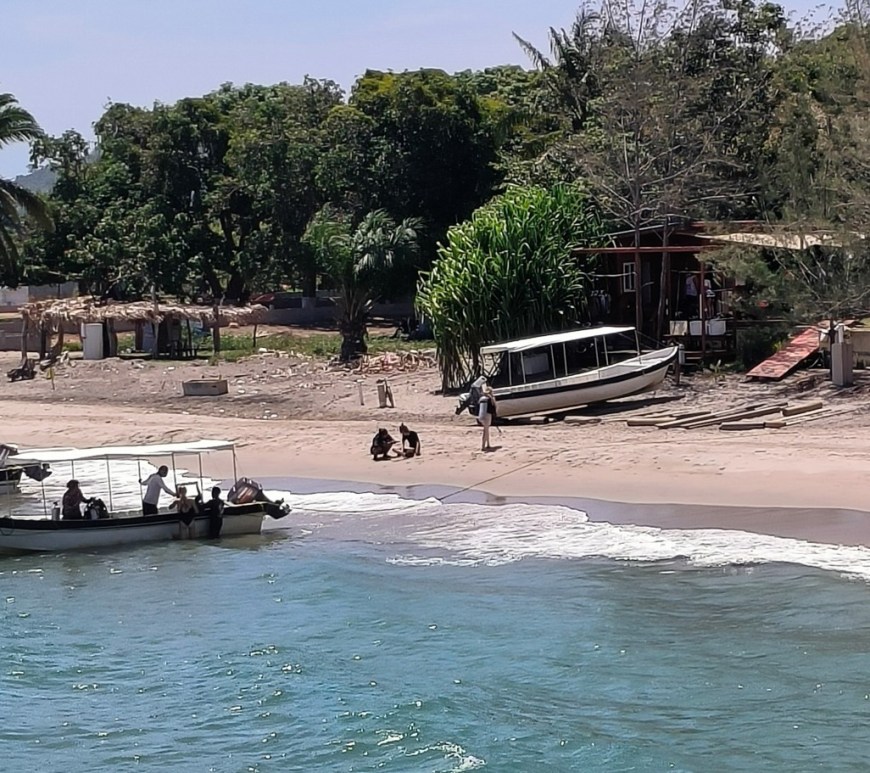
In this new post, Monica McCard, from Liverpool John Moore University, discusses working on many different non-native aquatic species, with a particular focus on the feeding impacts of invasive lionfish (Pterois volitans). For over three decades, lionfish have emerged as one of the most devastating invasive aquatic species in history. Throughout the Western Atlantic, these venomous fish have wreaked havoc on reefs and disrupted ecosystems, … Continue reading Monica McCard: Exploring Lionfish Ecology—A Research Expedition in Honduras

Postcards From The Field: Contribute to our new blog series!

It’s deep into summertime for those north of the equator. With many ecologists taking to the field, Functional Ecology are excited to announce a new blog series titled: Postcards From The Field. The aim of this blog series is to provide visibility to both researcher and field site. We want to hear all about what you love about your field site, the problems that the … Continue reading Postcards From The Field: Contribute to our new blog series!

Monique Weemstra

Monique Weemstra: how do trees modify their roots to adapt to their location?

We welcome 2021 with a new post by Monique Weemstra, a postdoc at the University of Michigan. Here she talks about her latest research looking at how trees can modulate their root traits to account for environmental gradients and the importance of working with people enjoying ecology as much as you do. About the paper This study is a part of the ECOPICS project: a … Continue reading Monique Weemstra: how do trees modify their roots to adapt to their location?