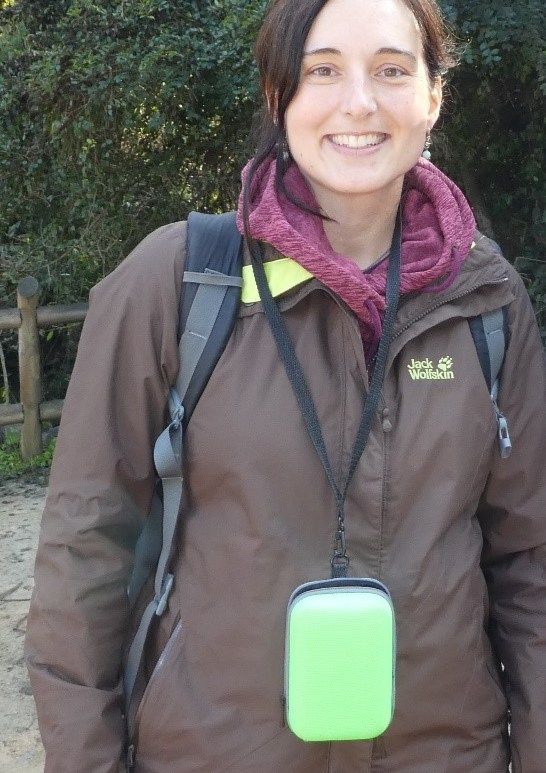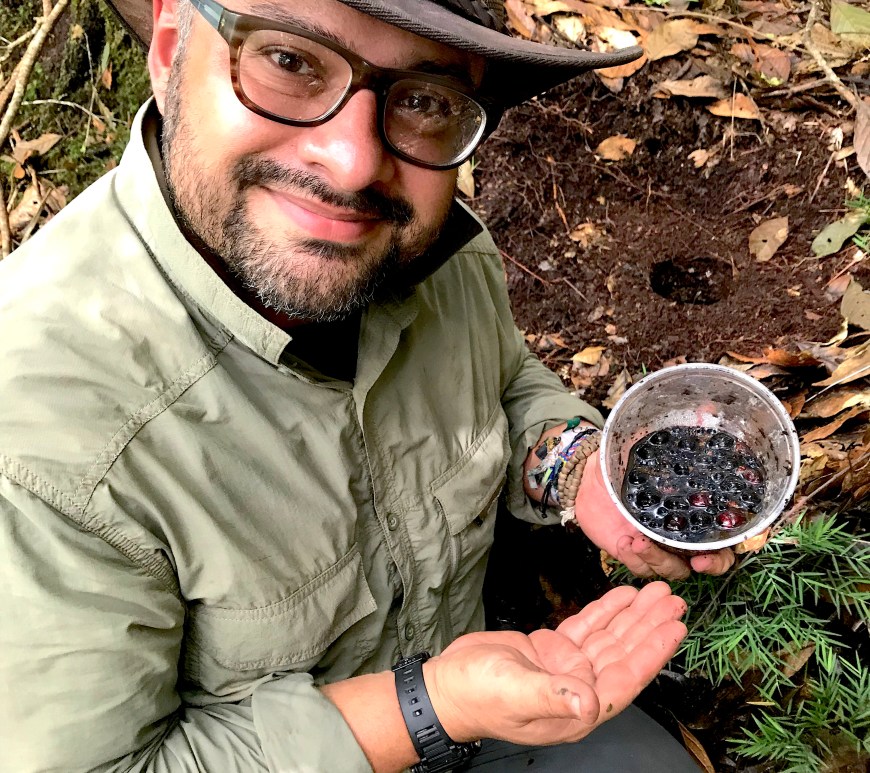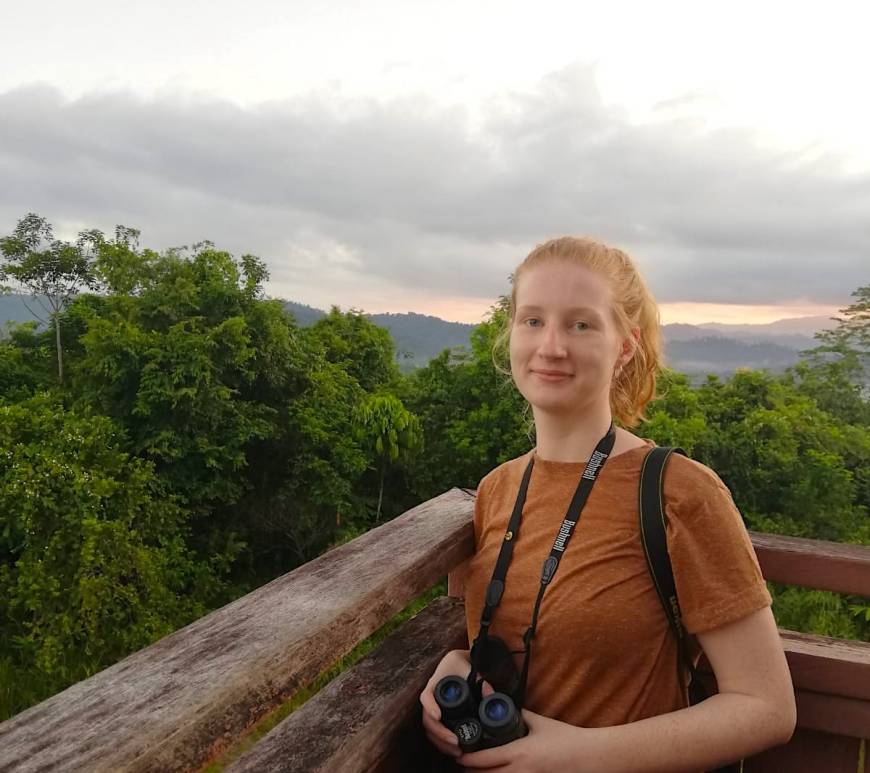
Emily Waddell in Danum Valley Conservation Area in Sabah (Photo credit - Charlotte Gallagher).

Emily Waddell: tropical forests, functional traits and community tolerance

In this post Emily Waddell, a Phd candidate at the UK Centre of Ecology and Hydrology in Edinburgh, talks about her experience working in Tropical forest in South-East Asia, the importance of functional traits for community tolerance to invasive species and her future plants on ecological research in oil palm plantations.
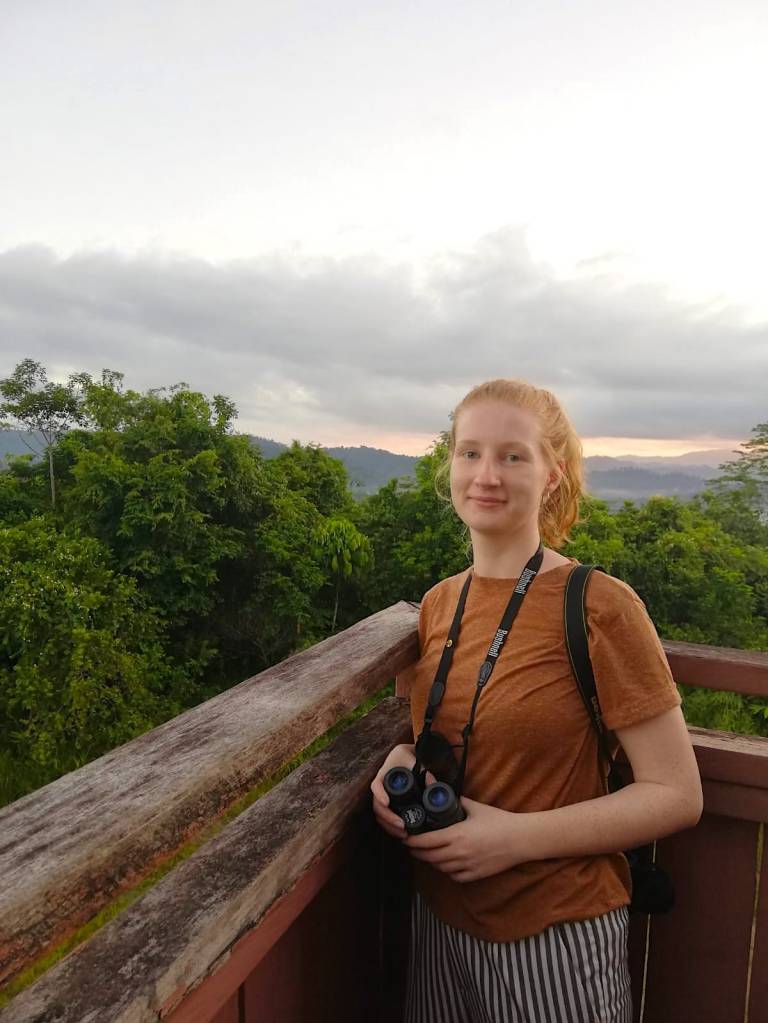
Emily Waddell in Danum Valley Conservation Area in Sabah (Photo credit - Charlotte Gallagher).
Emily Waddell in Danum Valley Conservation Area in Sabah (Photo credit – Charlotte Gallagher).

Continue reading “Emily Waddell: tropical forests, functional traits and community tolerance”

Jiri Dolezal: surving drought, cold and time

Jiri Dolezal, researcher at the Institute of Botany of Czech Academy of Sciences, presents his latest manuscript ‘Contrasting biomass allocation responses across ontogeny and stress gradients reveal plant adaptations to drought and cold’, discusses how plants manage to survive 80 years and highlights the importance of moving beyond scientific dogmas.

Continue reading “Jiri Dolezal: surving drought, cold and time”
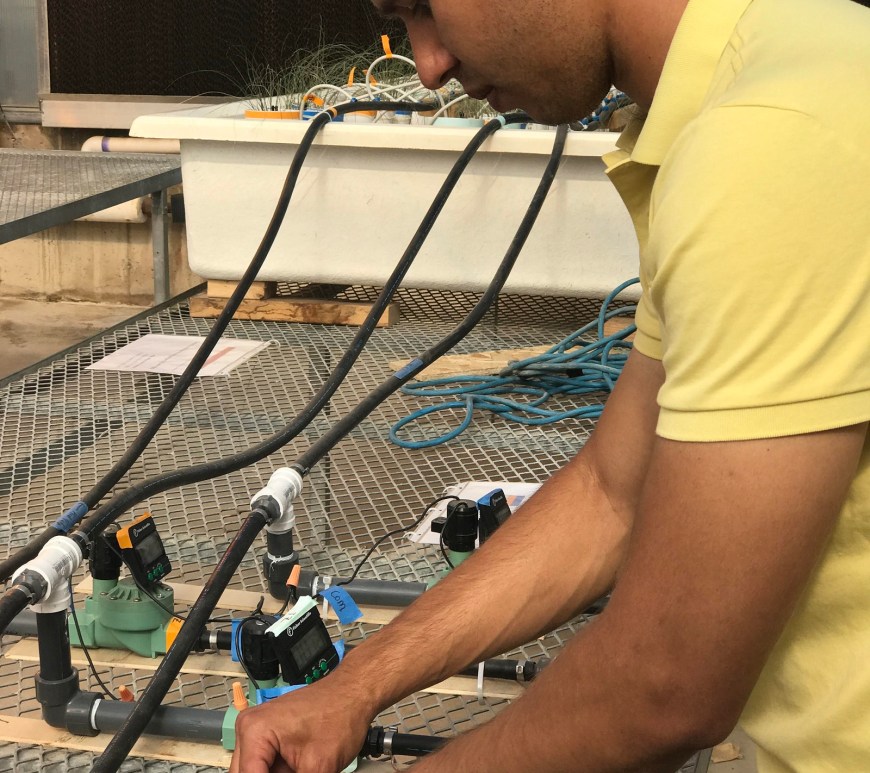
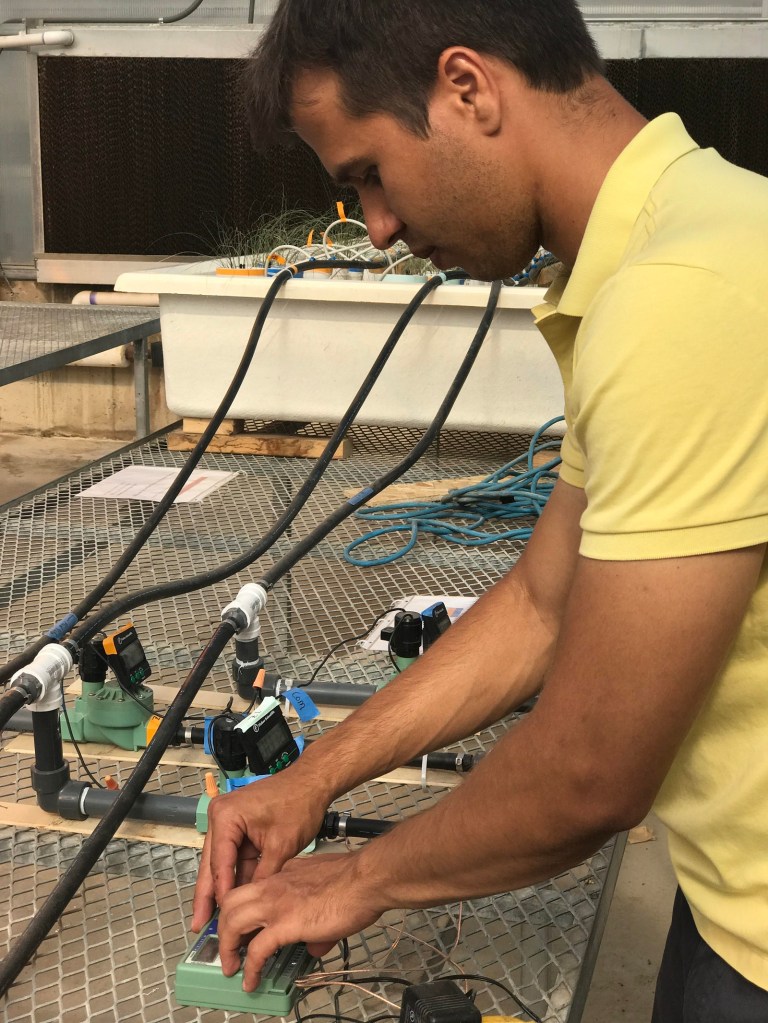
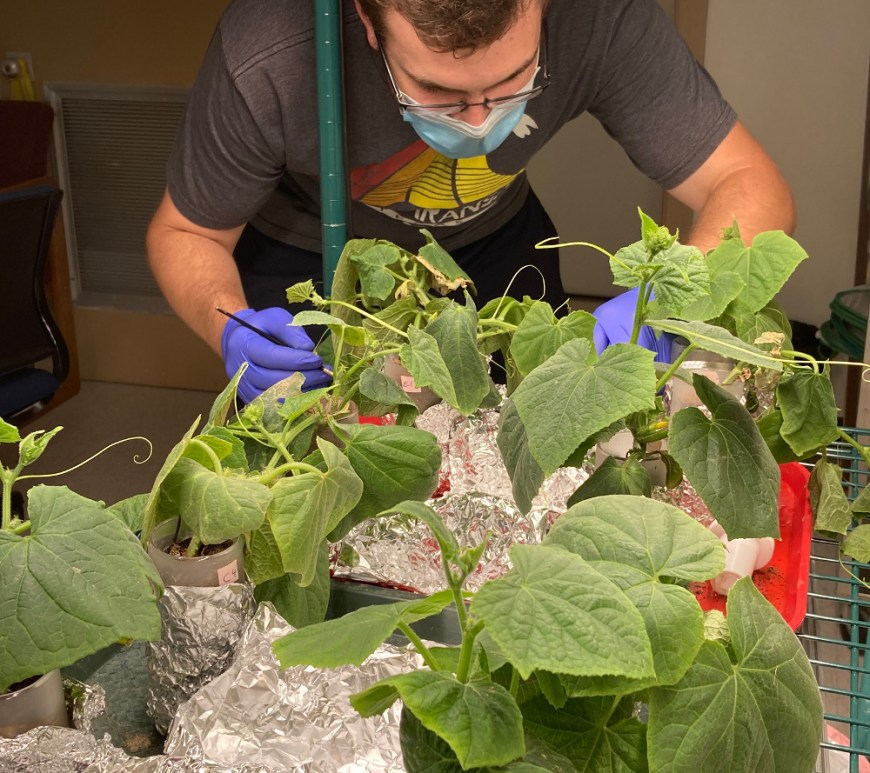
André working at the experiment

André Franco: root herbivory, water availability and above and belowground biomass

In our this new Insight, André Franco, a research scientist at Colorado State University presents his last work “‘Root herbivory controls the effects of water availability on the partitioning between above and belowground grass biomass”, shows the strong connection between above- and belowground processes and tells us how a soil scientist arrived to ecology.

André working at the experiment
Continue reading “André Franco: root herbivory, water availability and above and belowground biomass”
Melanie Pollierer

Melanie Pollierer: Saprotrophic and ectomycorrhizal fungi and their consumers can be separated using amino acid fingerprints

Melanie Pollierer
Melanie Pollierer

Dr. Melanie Pollierer, Researcher at University of Göttingen, summarizes her latest publication “Isotope analyses of amino acids in fungi and fungal feeding Diptera larvae allow differentiating ectomycorrhizal and saprotrophic fungi-based food chains”, where she and her colleagues show a novel methodology to identify different fungal guilds along food chains. She highlights the relevance of their findings and shares her experience as a young researcher in Germany.

Continue reading “Melanie Pollierer: Saprotrophic and ectomycorrhizal fungi and their consumers can be separated using amino acid fingerprints”
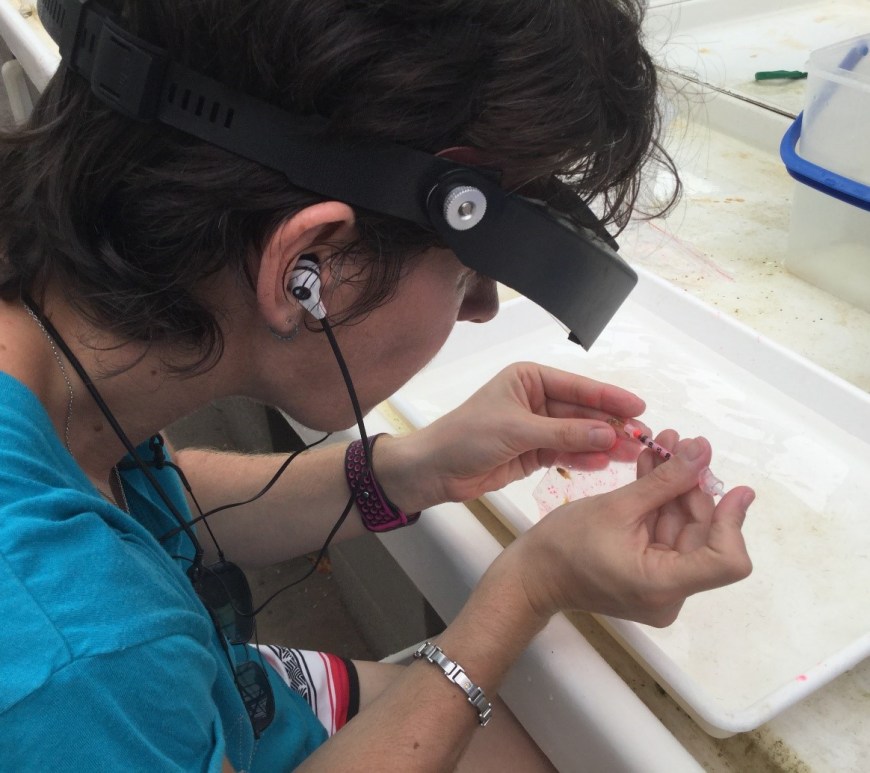
I'm inserting an elastomer tag in a juvenile damselfish, so they can be identified in the field once released. Photo courtesy of Doug Chivers.

Maud Ferrari: Sharing predation cues in degraded coral reefs

Dr. Maud Ferrari, Professor in the Department of Veterinary Biomedical Sciences at the University of Saskatchewan, discusses with us her paper titled, “The fading of fear effects due to coral degradation is modulated by community composition”, the broader impact of her research, and her interest in ecology.

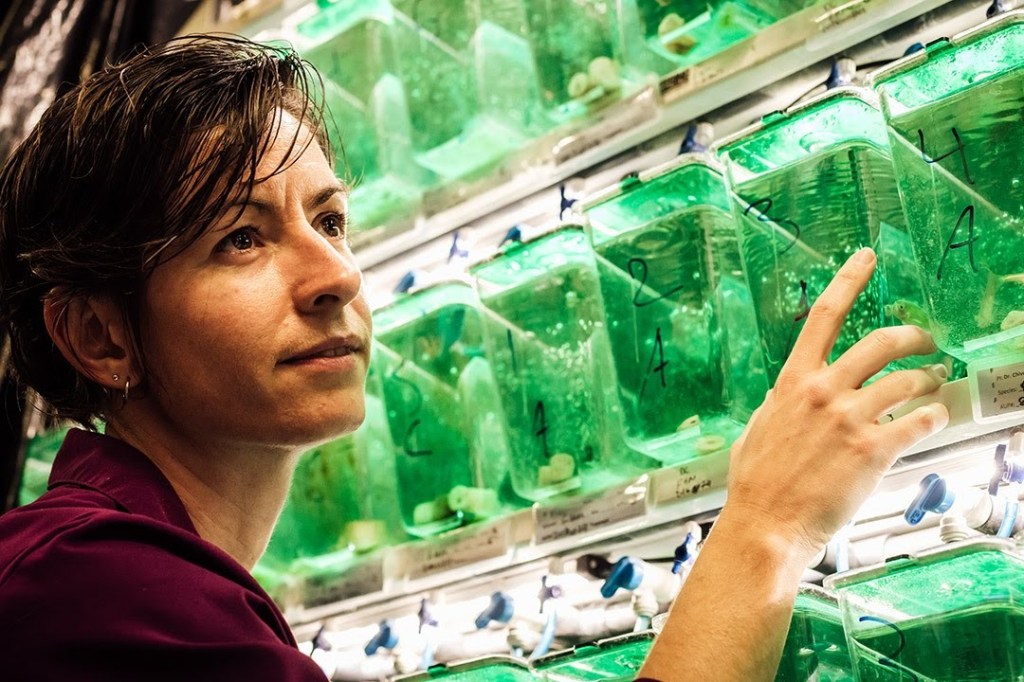
Me posing for an NSERC picture. I'm pretending to be looking at a fish tank in my lab in Canada. Photo courtesy of NSERC.
Me posing for an NSERC picture. I’m pretending to be looking at a fish tank in my lab in Canada. Photo courtesy of NSERC.
Continue reading “Maud Ferrari: Sharing predation cues in degraded coral reefs”
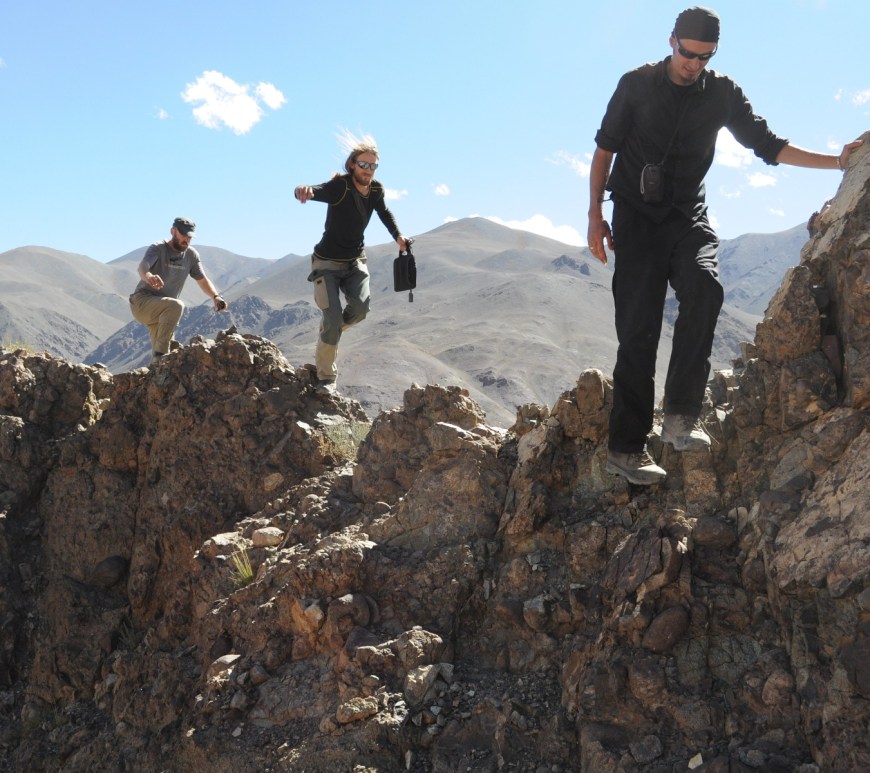
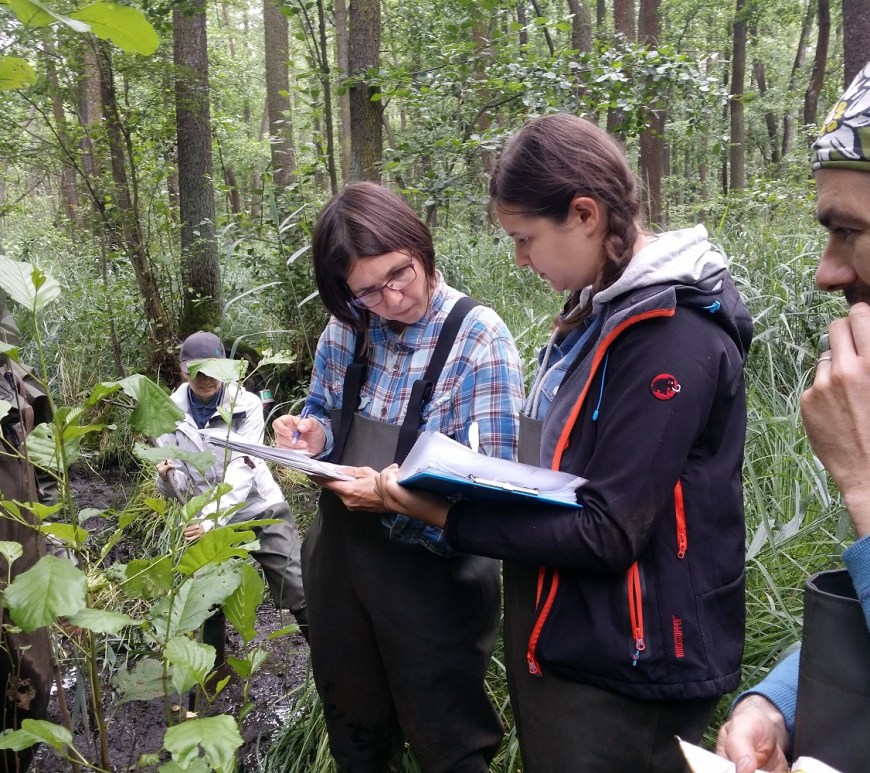
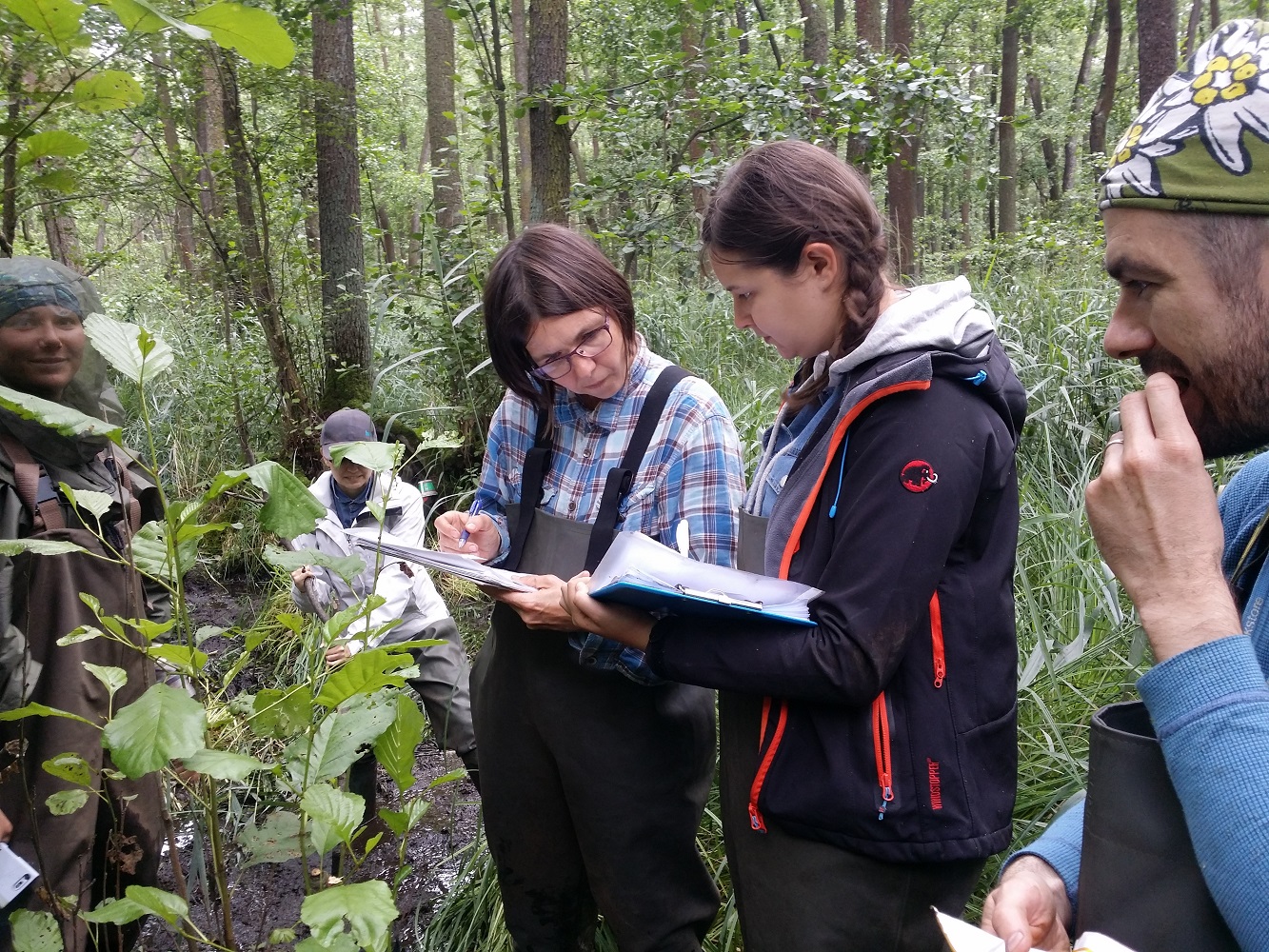
Wetland team collecting data in the filed with Jana in the middle

Jana Doudová: Under the dominants

Jana Doudová, research at the Czech University of Life Sciences in Prague, explains his work ‘Along with intraspecific functional trait variation, individual performance is key to resolving community assembly processes’, highlights how plant facilitation can be present in productive ecosystems and tells her history about how she got fascinated by plants. 

Wetland team collecting data in the filed with Jana in the middle

Continue reading “Jana Doudová: Under the dominants”
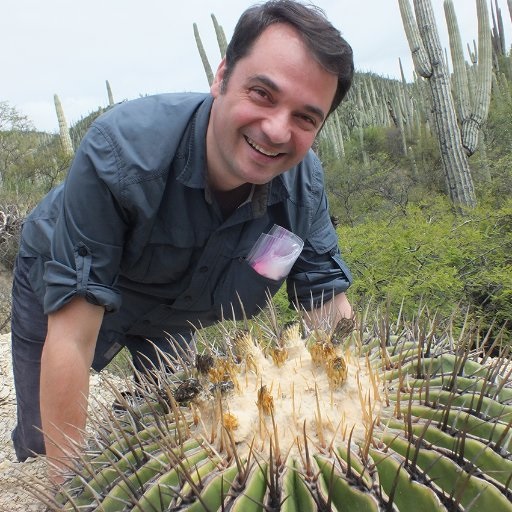
Carlos Garcia-Robledo, Assistant Professor in the Department of Ecology and Evolutionary Biology, University of Connecticut.

Carlos Garcia-Robledo: Drivers of body size in tropical insects – Evolutionary history or temperature?

Dr. Carlos Garcia-Robledo, Assistant Professor in the Department of Ecology and Evolutionary Biology at the University of Connecticut, discusses with us his recently accepted paper, “Evolutionary history, not ecogeographic rules, explains size variation of tropical insects along elevational gradients.”

Carlos Garcia-Robledo, Assistant Professor in the Department of Ecology and Evolutionary Biology, University of Connecticut.

Continue reading “Carlos Garcia-Robledo: Drivers of body size in tropical insects – Evolutionary history or temperature?”