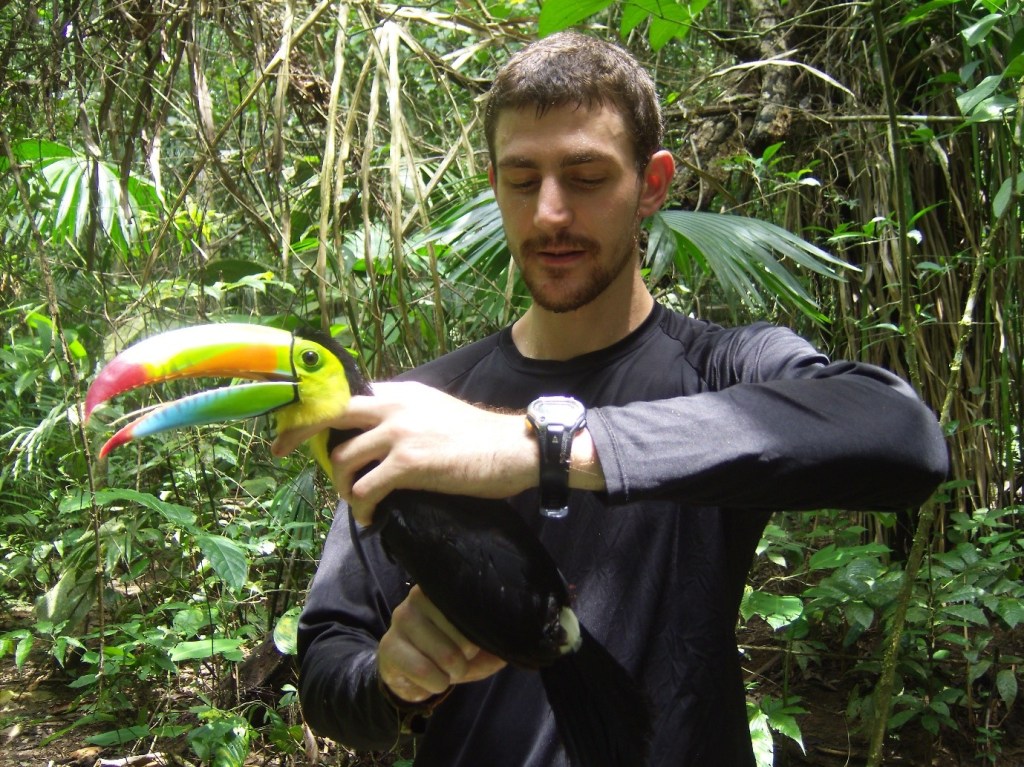
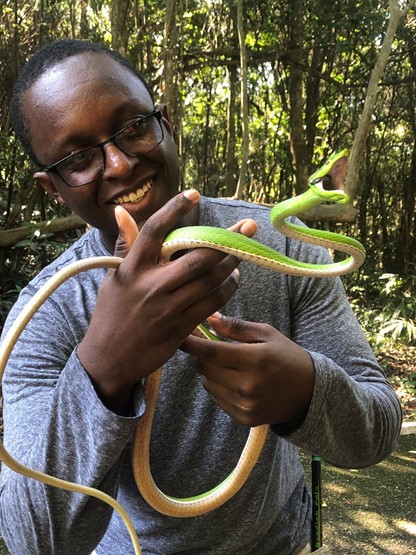
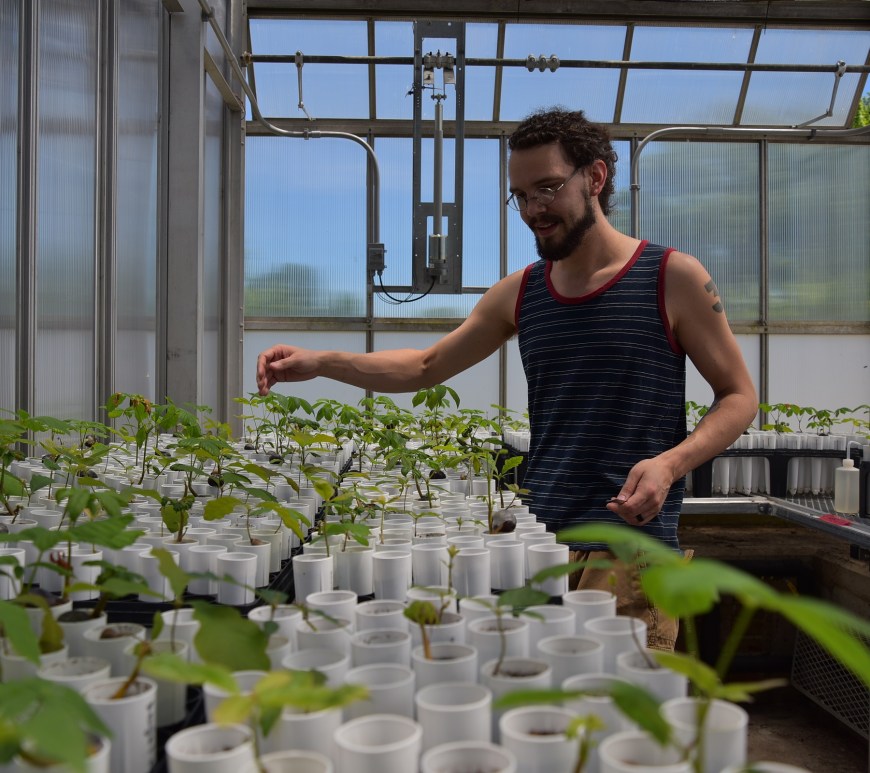
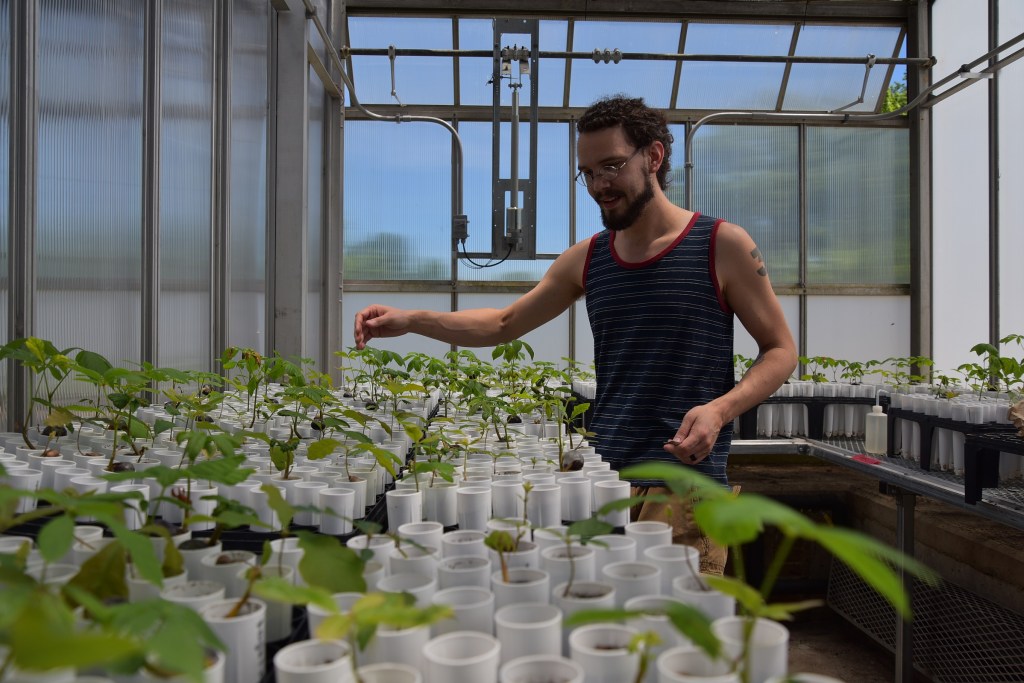
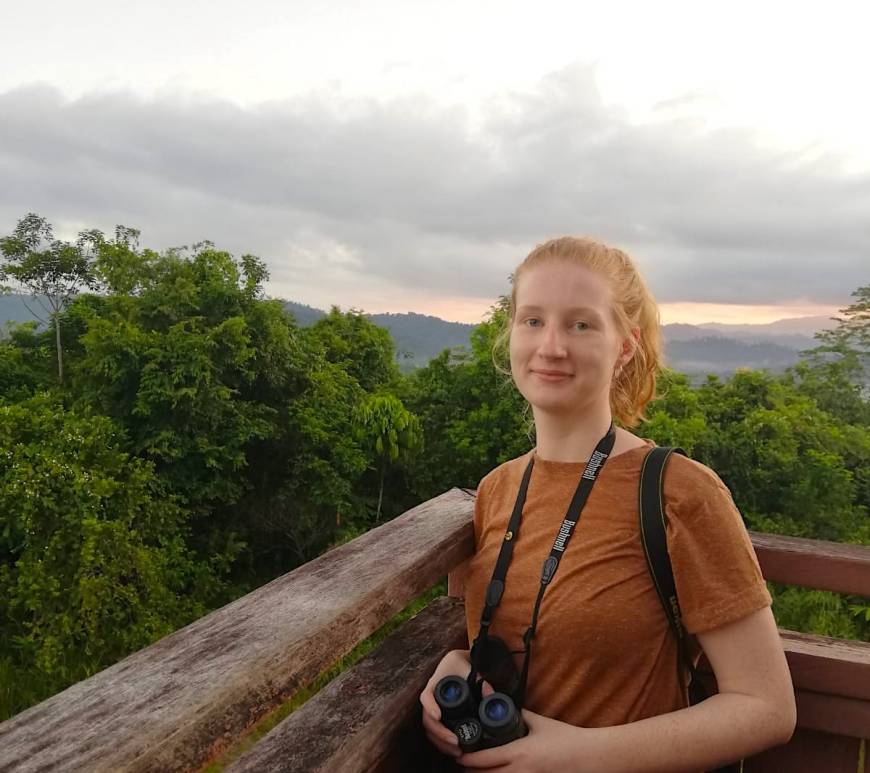
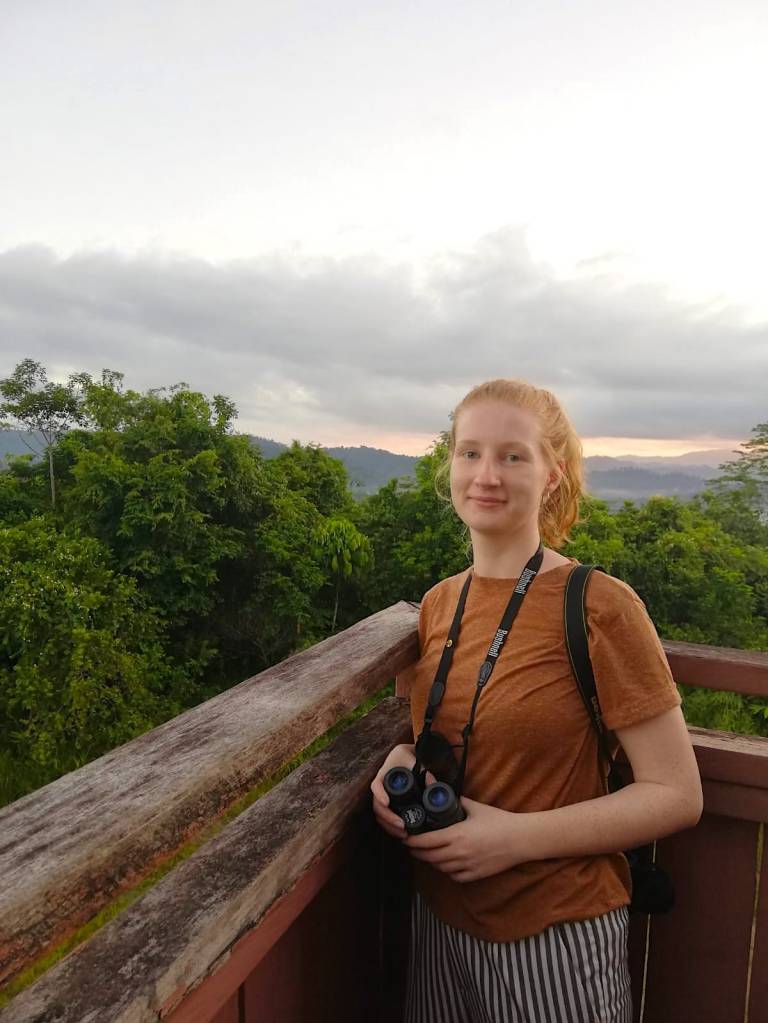
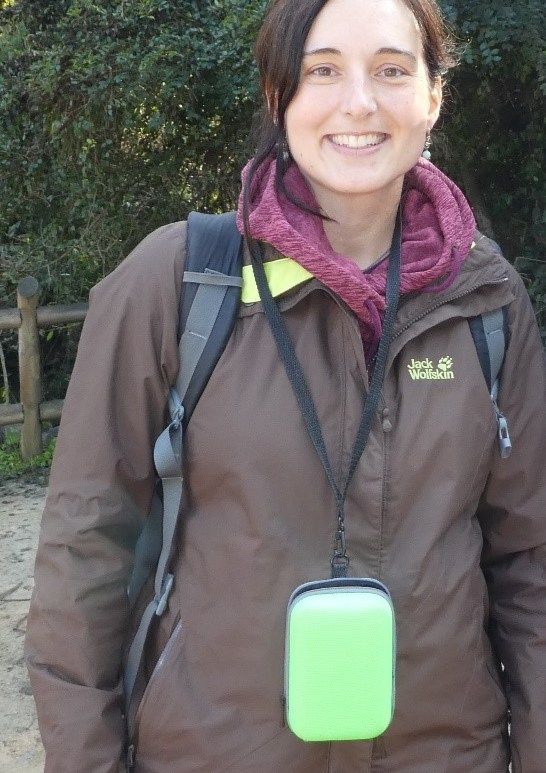
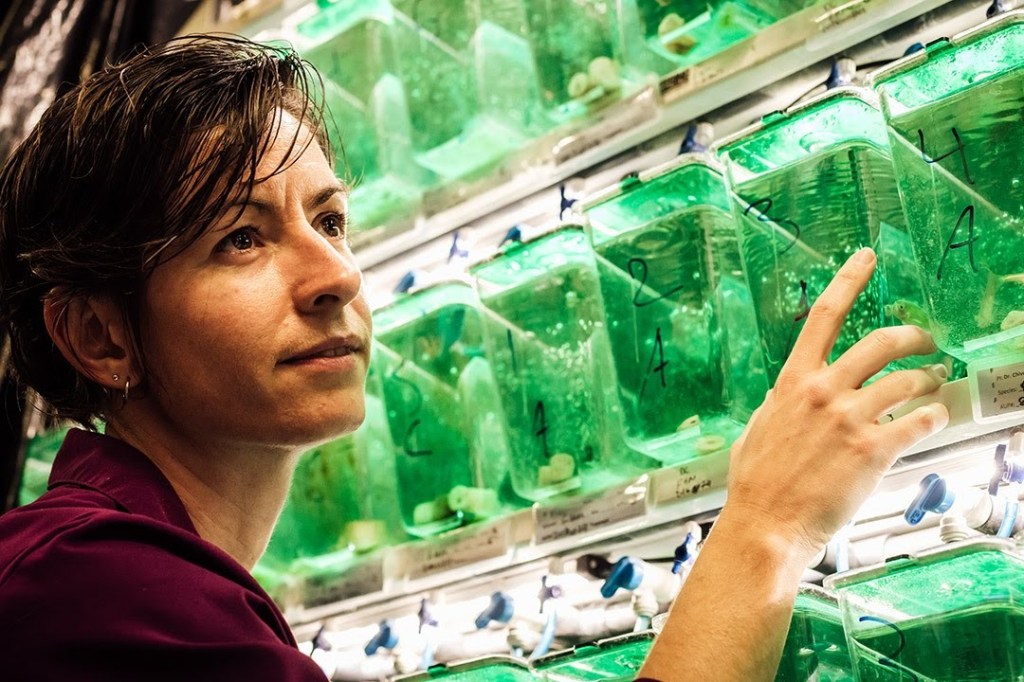
Ana Salgado Photo credit: Lucía Maldonado

Ana Salgado: Butterfly oviposition preference affects offspring survival

Dr. Ana Salgado shares with us the background behind and synopsis of her paper “Narrow oviposition preference of an insect herbivore risks survival under conditions of severe drought”, as well as her experience in becoming an ecologist, her hobbies, and why this project has been her favorite so far during her academic career.

Continue reading “Ana Salgado: Butterfly oviposition preference affects offspring survival”
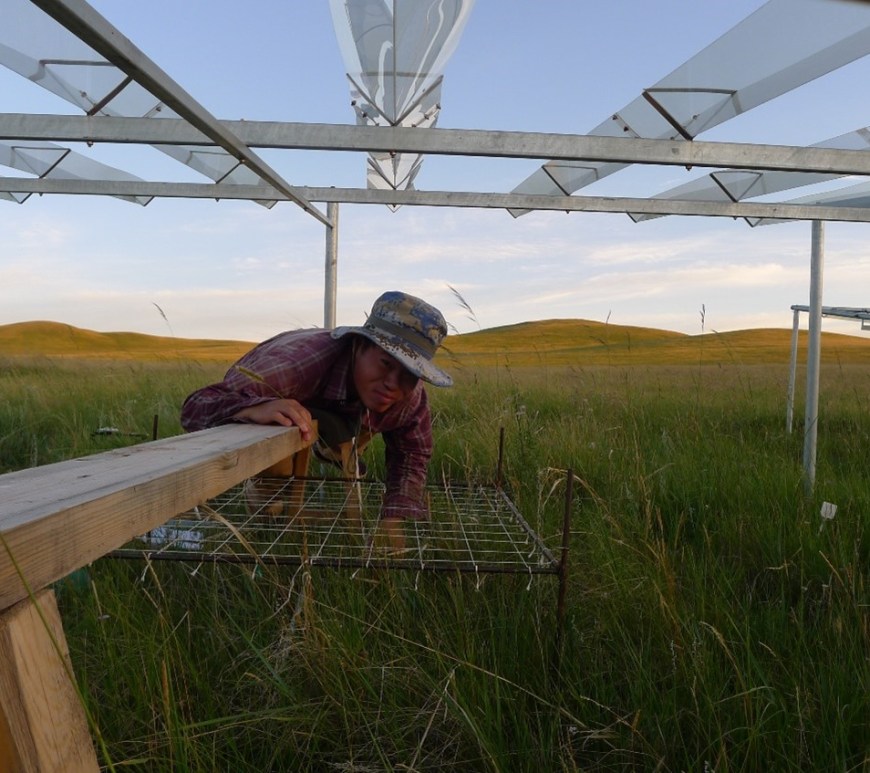
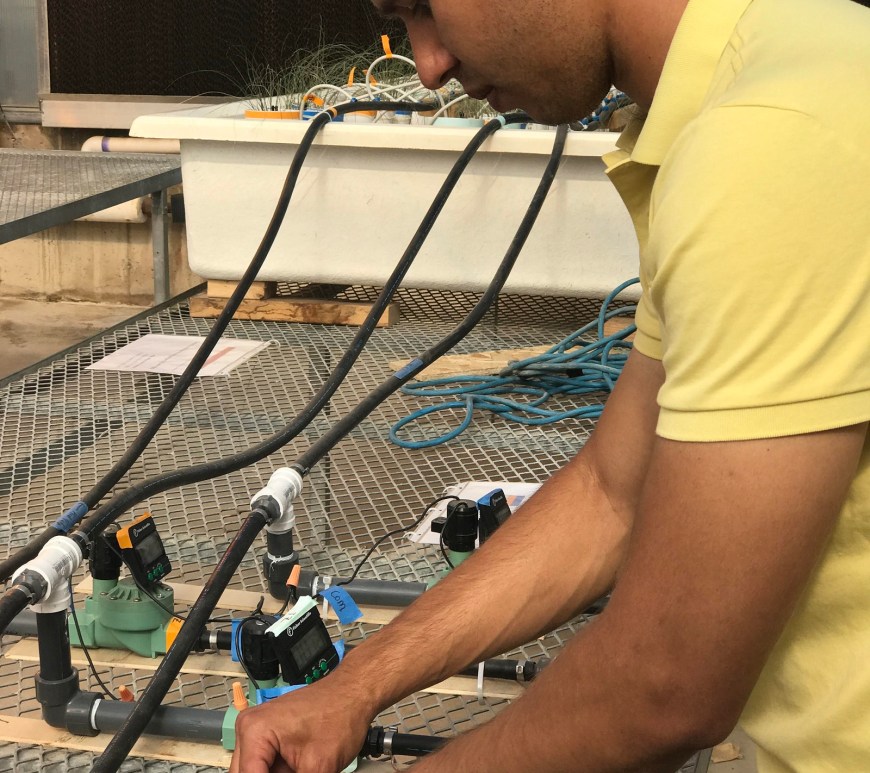
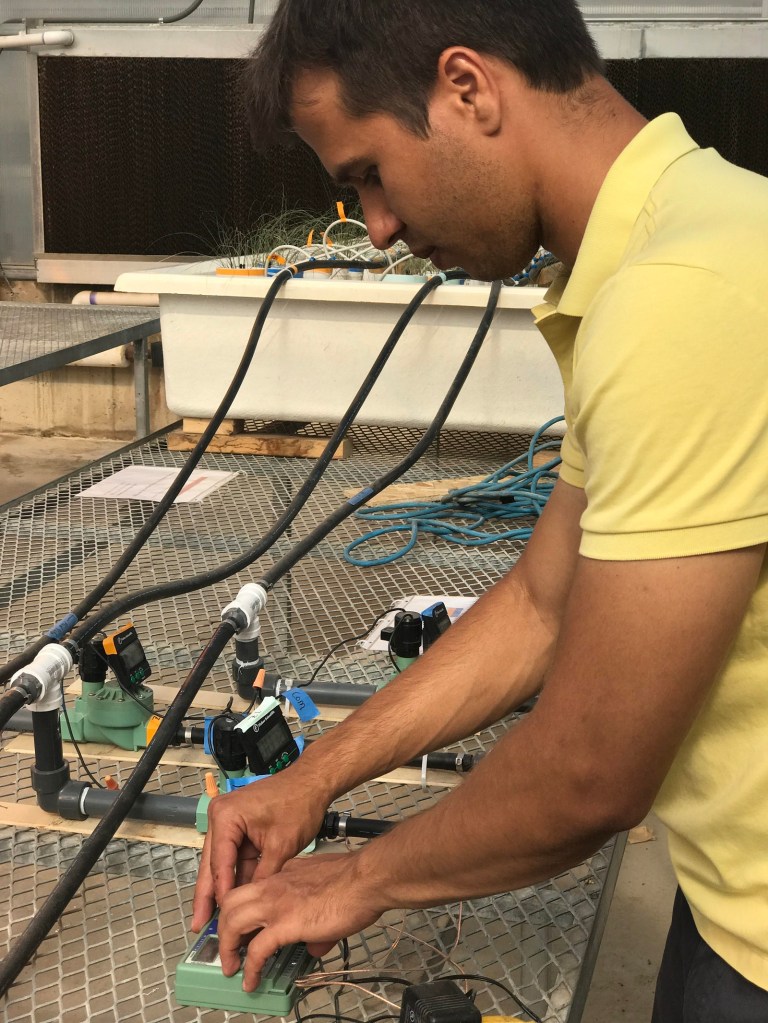
Photo by Zhenong Jin

Kechang Niu: A plant’s perspective

In our latest Insight, Kechang Niu of Nanjing University talks about the importance of individual variation in harsh environments, the background to his latest paper Harsh environmental regimes increase the functional significance of intraspecific variation in plant communities Nanjing University, and his unusual path into ecology.

Continue reading “Kechang Niu: A plant’s perspective”
Field work for this study was done at Lizard Island, on the Great Barrier Reef, Australia, where the authors were lucky to have access to great infrastructure and exceptional autonomy. Photo by Victor Huertas.

Renato Morais: Mass coral mortality affects energetic functioning of coral reefs

Renato Morais, a Ph.D. student at James Cook University in Australia, gives us a ‘behind-the-scenes’ view of his research on the energetic effects of coral mortality, related to his recent publication in Functional Ecology entitled “Severe coral loss shifts energetic dynamics on a coral reef”.

Continue reading “Renato Morais: Mass coral mortality affects energetic functioning of coral reefs”

The representation of women as authors of submissions to ecology journals during the COVID-19 pandemic

This post from Functional Ecology Executive Editor Chuck Fox shows some initial analyses of submissions to the BES journals during the COVID-19 pandemic. Whilst he doesn’t find any noticeable changes in submissions in the short period since COVID-19 disruptions have been imposed on society, he notes that the pandemic is likely to affect scientific output and that some members of our community will probably be affected more than others.

Continue reading “The representation of women as authors of submissions to ecology journals during the COVID-19 pandemic”
Collecting ticks from the vegetation using the flagging method (© University of Leipzig).

Land-use, biodiversity and zoonotic diseases

Public awareness and perception of zoonoses has dramatically increased in the last few months due to COVID-19. We invited Drs. Christian Imholt and Anna Obiegala, expert disease ecologists, to explain their perspectives on the emergence of zoonotic diseases in the context of human interference and habitat disturbance.

Continue reading “Land-use, biodiversity and zoonotic diseases”
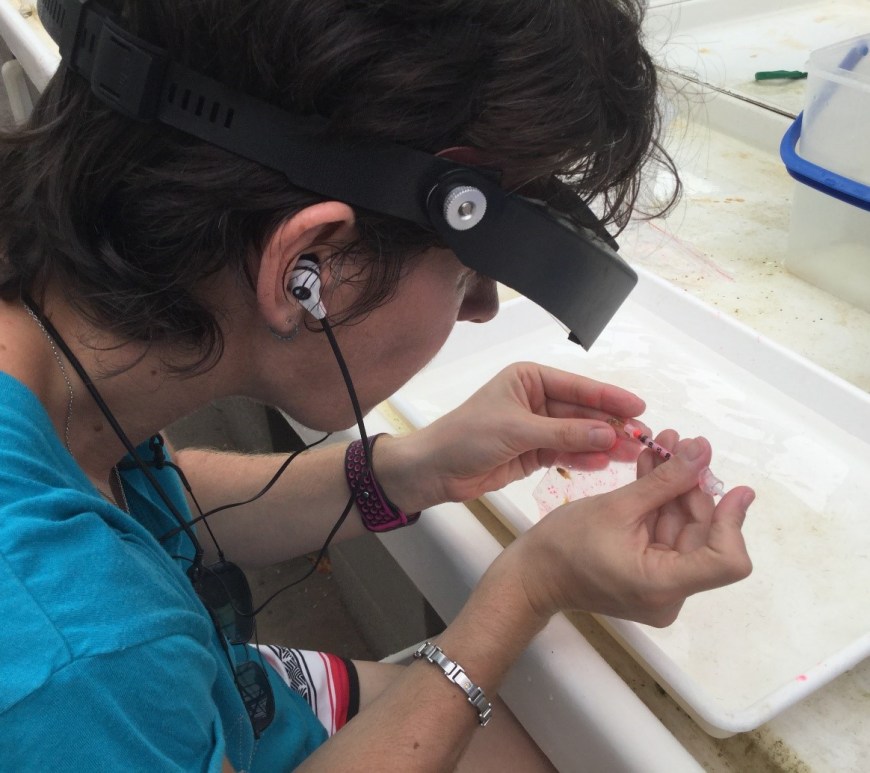
Ana Alexandre at workAna Alexandre at work

Ana Alexandre: Seagrass nutrition altered by ocean warming

Dr. Ana Alexandre, a postdoc at Centro de Ciencias do Mar at University of Algarve, presents in this Insights the findings of she and her colleagues on her latest paper titled, “Ocean warming increases the nitrogen demand and the uptake of organic nitrogen of the globally distributed seagrass Zostera marina”.

Continue reading “Ana Alexandre: Seagrass nutrition altered by ocean warming”
The author, Keith W. Sockman. Photo by Keith W. Sockman.

Keith Sockman: Exploring link between latitude, daylight, and migration

Dr. Keith Sockman, an Associate Professor at University of North Carolina at Chapel Hill, participates in our latest installation of Insights by discussing with us his paper, co-authored with Dr. Allen Hurlbert, titled, “How the effects of latitude on daylight availability may have influenced the evolution of migration and photoperiodism”.

Continue reading “Keith Sockman: Exploring link between latitude, daylight, and migration”