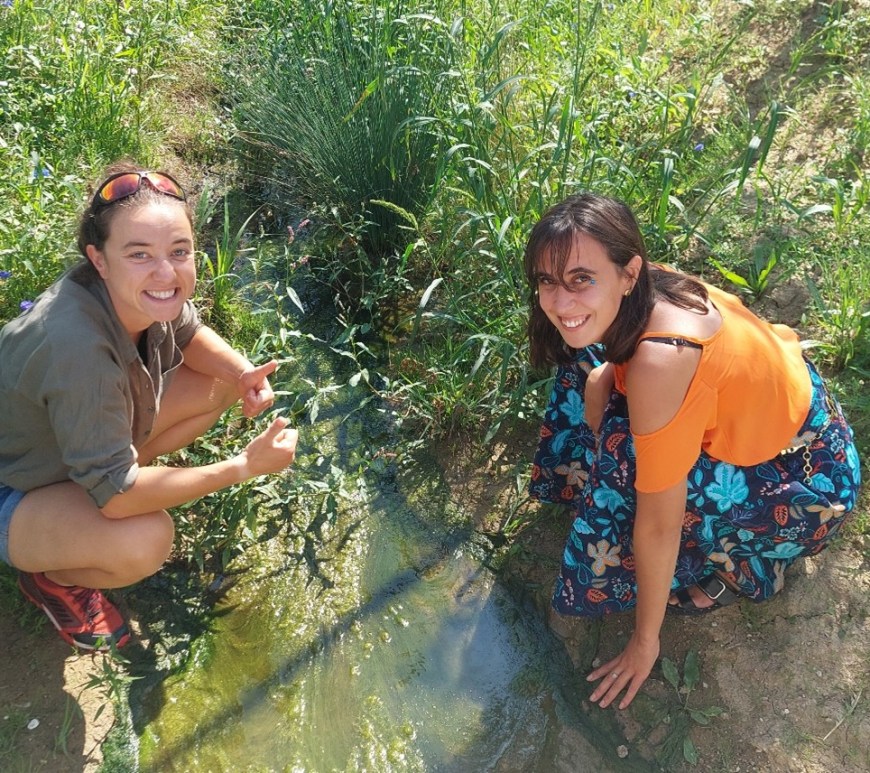
Camille Bernery & Clara Marino : Explorer le profil des poissons envahissants pour mieux comprendre leur dynamique

Dans cet article, Camille Bernery et Clara Marino, respectivement post-doctorante et doctorante au laboratoire Ecologie, Systématique et Evolution (ESE) (Université Paris-Saclay, CNRS, AgroParisTech), partagent leur article récemment publié intitulé : Relative importance of exotic species traits in determining invasiveness across levels of establishment : Example of freshwater fish. Elles discutent des caractéristiques qui expliquent les différences dans le succès d’invasion des poissons d’eau douce, des … Continue reading Camille Bernery & Clara Marino : Explorer le profil des poissons envahissants pour mieux comprendre leur dynamique
Camille Bernery & Clara Marino: Exploring the profile of fish invaders in order to better understand their dynamics

In this new post, Camille Bernery and Clara Marino—a Post doctorate and PhD student, respectively, at the Ecology, Systematic and Evolution (ESE) lab, Université Paris-Saclay, CNRS, AgroParisTech, Gif-sur-Yvette, France—share their recently published paper titled: Relative importance of exotic species traits in determining invasiveness across levels of establishment: Example of freshwater fish. They discuss the characteristics that explain differences in invasion success of freshwater fish, challenges … Continue reading Camille Bernery & Clara Marino: Exploring the profile of fish invaders in order to better understand their dynamics

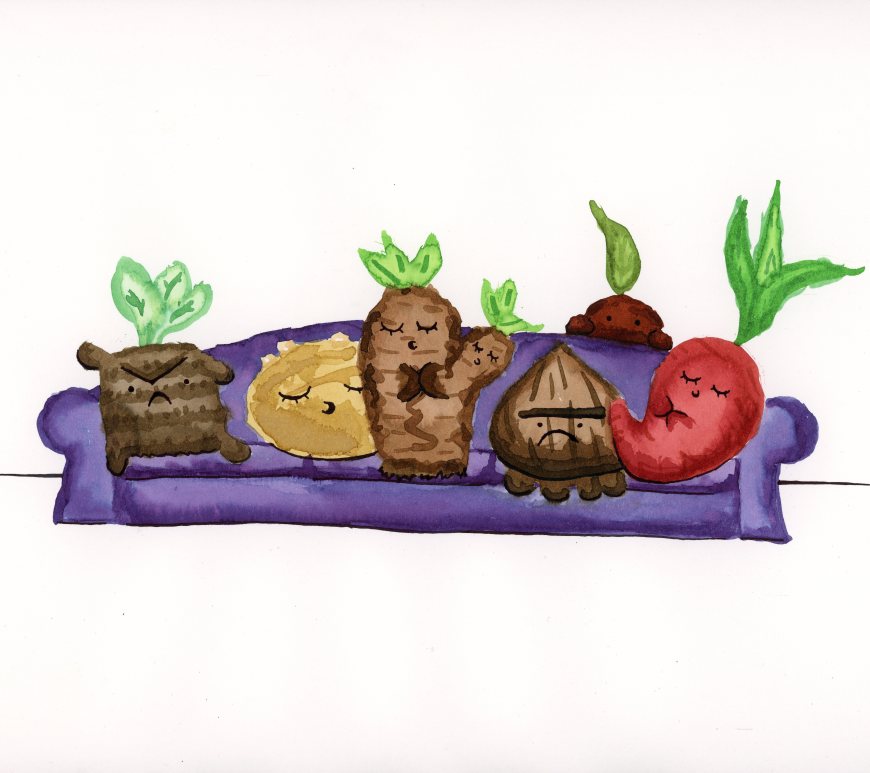
Curtis Lubbe: Trash or treasure—rhizomes as a vital plant organ

In our new post, Curtis Lubbe from the Institute of Botany, Czech Academy of Sciences, Czech Republic, presents his latest work ‘Trash or Treasure: Rhizome conservation during drought’. Curtis discusses the wonders of the rhizome, elucidates his research on senescence, and shares some lovely whimsical drawings of plants. About the paper Many herbaceous perennial plants use rhizomes (stem-derived belowground storage organs) to store resources, grow, … Continue reading Curtis Lubbe: Trash or treasure—rhizomes as a vital plant organ

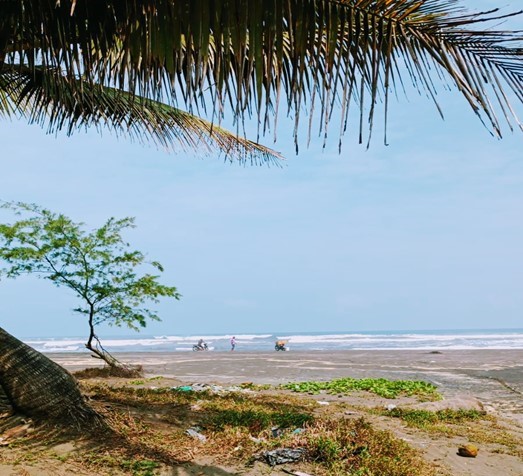
Ikegwu Chukwudi Michael: The journey of a conservation biologist

In this new post, Ikegwu Chukwudi Michael—from the Faculty of Biology, Universitas Jenderal Soedirman, Indonesia—discusses seeking opportunities to implement the theories concerning biological principles and practices, and working to develop fundamental skills and progress towards delivering best outcomes. Ikegwu wishes to become an active part of biological research involving biodiversity, conservation, and ecology. Profile My love and passion for life led me to study Biology … Continue reading Ikegwu Chukwudi Michael: The journey of a conservation biologist

Gil Rilov: Invasive engineers—global drivers of ecological change

In this post, Prof. Gil Rilov—Senior Scientist at the National Institute of Oceanography, Israeli Limnological and Oceanographic Research (IOLR), as well as Associate Professor, at the University of Haifa, Israel—discusses his recently published review paper ‘Ecological impacts of invasive ecosystem engineers: A global perspective across terrestrial and aquatic systems’. Gil discusses the impacts, positive and negative, of alien invasions, his love of diving, and what … Continue reading Gil Rilov: Invasive engineers—global drivers of ecological change

Julia Koricheva: Exploring the hidden links—tree diversity effects in Finnish boreal forests

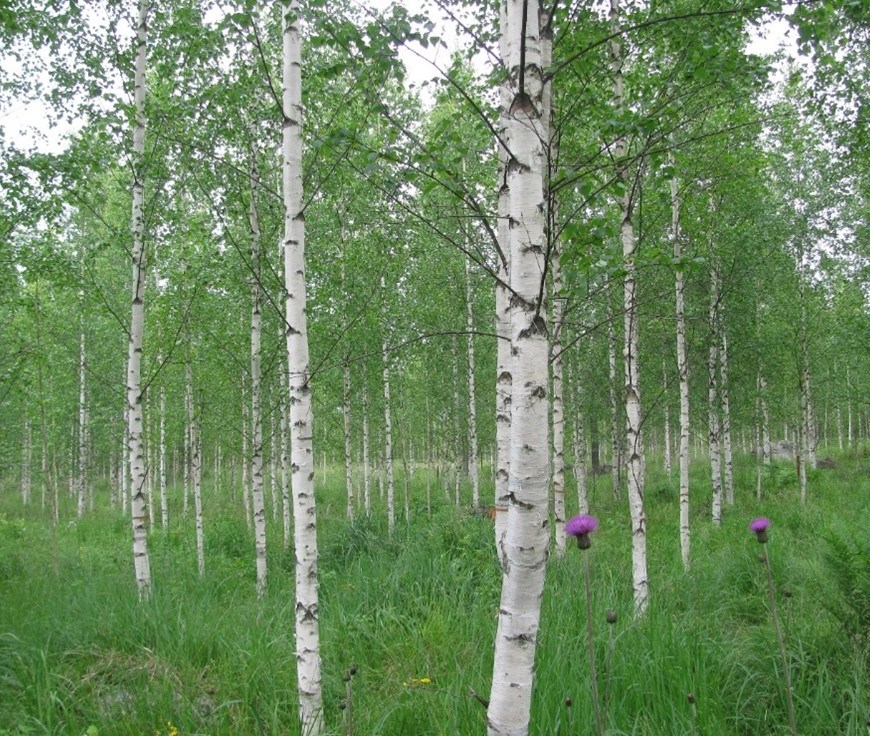
In our new post, Julia Koricheva—a researcher at Royal Holloway University of London, UK—discusses her interest in effects of plant diversity on ecosystem functioning. Having worked extensively on long-term forest diversity experiments in Finland, Julia is particularly interested in the biodiversity and functionality of boreal forest ecosystems. She also works on the evolution and ecology of plant-herbivore interactions, including mechanisms of plant defense.  As more … Continue reading Julia Koricheva: Exploring the hidden links—tree diversity effects in Finnish boreal forests

Ana Porto: Brazil isn’t just trees—working in grasslands in a country conventionally seen as a big forest

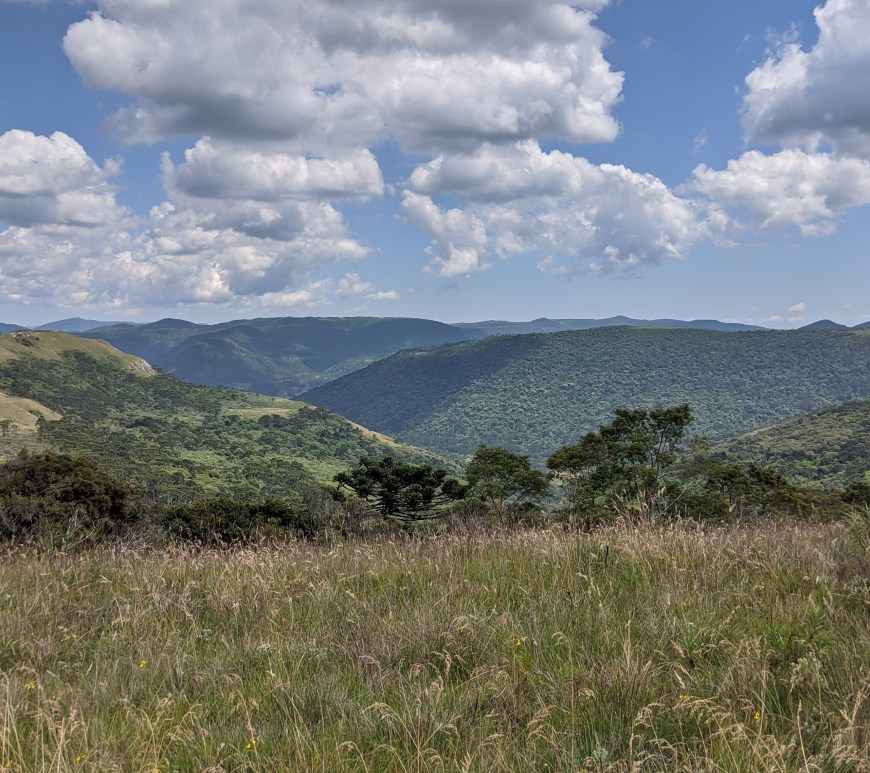
In this blogpost, Ana Porto—from the Federal University of Santa Catarina (UFSC), Brazil—describes their interest in grasslands restoration ecology. Ana is particularly interested in grassland restoration techniques using hay and direct seeding. Ana is also interested in the community vegetation of this ecosystem, mainly following its development after endogenous and exogenous disturbances (e.g. grazing, fire, afforestation, and biological invasions). Profile I arrived at this topic … Continue reading Ana Porto: Brazil isn’t just trees—working in grasslands in a country conventionally seen as a big forest

Monica McCard: Exploring Lionfish Ecology—A Research Expedition in Honduras

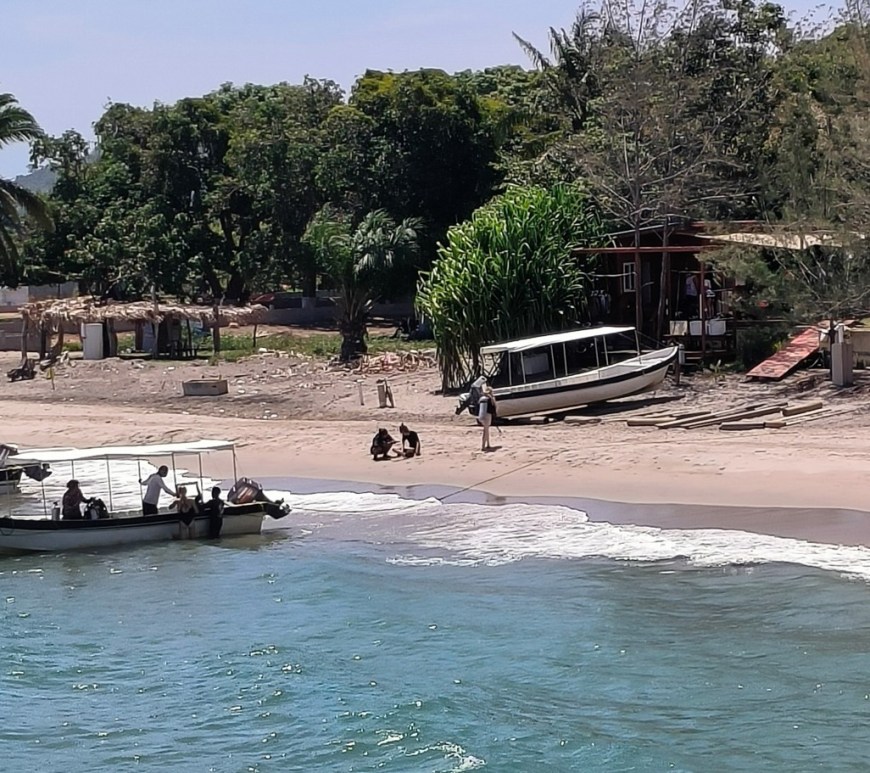
In this new post, Monica McCard, from Liverpool John Moore University, discusses working on many different non-native aquatic species, with a particular focus on the feeding impacts of invasive lionfish (Pterois volitans). For over three decades, lionfish have emerged as one of the most devastating invasive aquatic species in history. Throughout the Western Atlantic, these venomous fish have wreaked havoc on reefs and disrupted ecosystems, … Continue reading Monica McCard: Exploring Lionfish Ecology—A Research Expedition in Honduras

Postcards From The Field: Contribute to our new blog series!

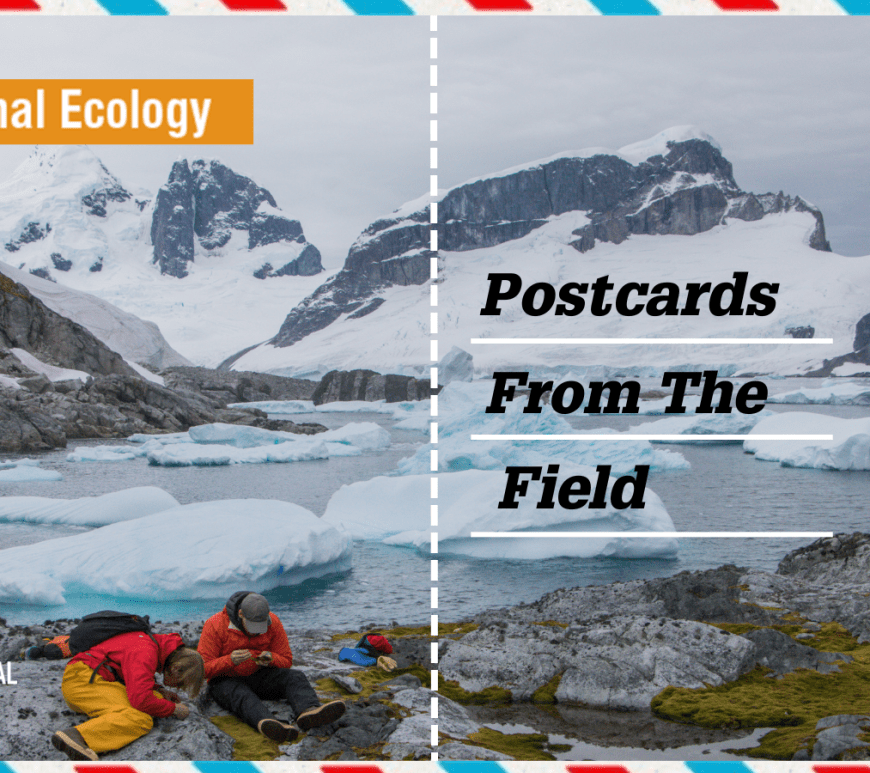
It’s deep into summertime for those north of the equator. With many ecologists taking to the field, Functional Ecology are excited to announce a new blog series titled: Postcards From The Field. The aim of this blog series is to provide visibility to both researcher and field site. We want to hear all about what you love about your field site, the problems that the … Continue reading Postcards From The Field: Contribute to our new blog series!

Meet The Editor: Michael P. Moore

Current Institution: University of Colorado Denver, USA Research interests: I study how physiology and ontogeny limit the ways that organisms adapt to their environments. I am especially interested in using information about these constraints to better forecast how organisms will respond to global change. Why did you choose to study your particular area of research? When I started graduate school, there was a ton of … Continue reading Meet The Editor: Michael P. Moore