Insight: Andrew Durso

Andrew Durso

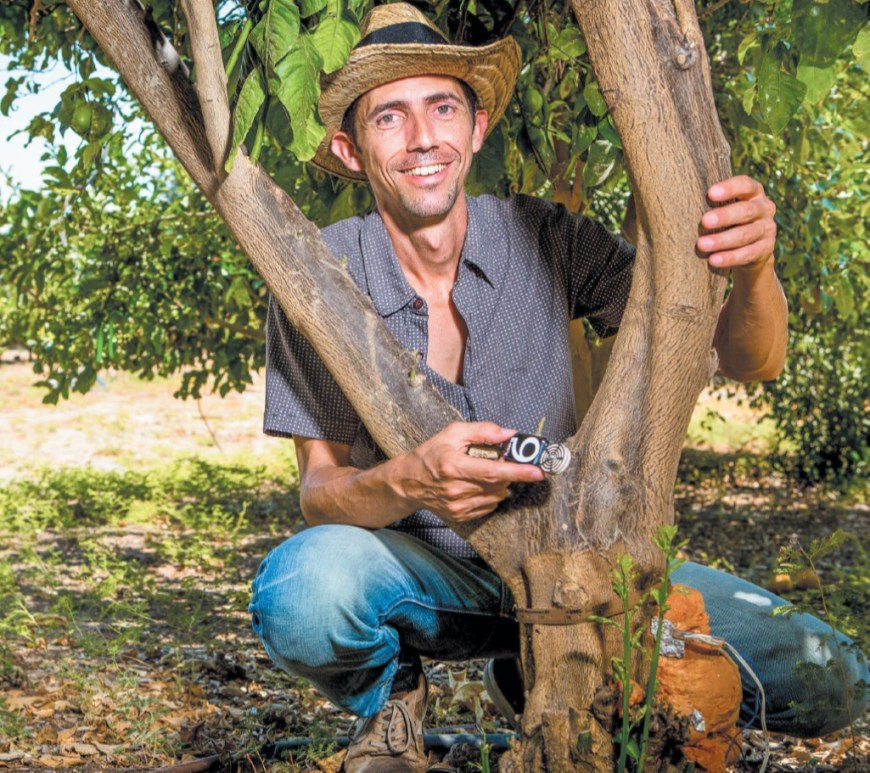
Dr Andrew Durso is a Postdoctoral Research Assistant at the University of Geneva, Switzerland. He was recently shortlisted for Functional Ecology’s Haldane Prize for Early Career Researchers for his paper, Stable isotope tracers reveal a trade‐off between reproduction and immunity in a reptile with competing needs

In this Insight, he talks about how he got into ecology and what he’s been working on since then.

Continue reading “Insight: Andrew Durso”

Francois-Xavier Joly: decomposition, detritivores and filling in the gaps.

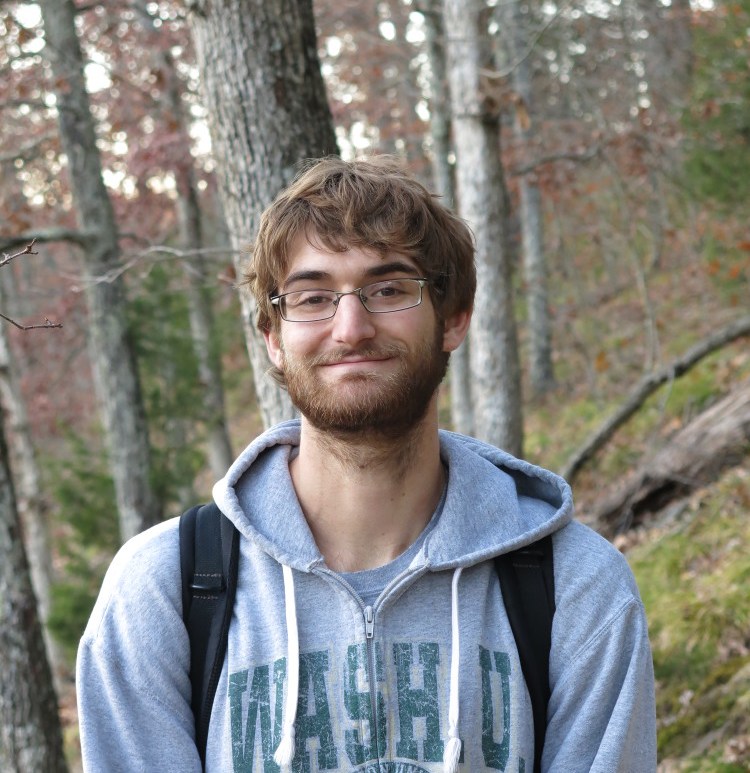
FXJolyDr Francois-Xavier Joly  is a Postdoctoral Research Assistant at the University of Stirling, Scotland. He was recently shortlisted for Functional Ecology’s Haldane Prize for Early Career Researchers.

 In this Insight, he talks about his shortlisted paper, Litter conversion into detritivore faeces reshuffles the quality control over C and N dynamics during decomposition, as well the best – and worst – parts of being an ecologist.

Continue reading “Francois-Xavier Joly: decomposition, detritivores and filling in the gaps.”

Corinne Hertäg

Corinne Hertäg: sharing the costs – and benefits – of defensive symbionts

Corinne Hertäg

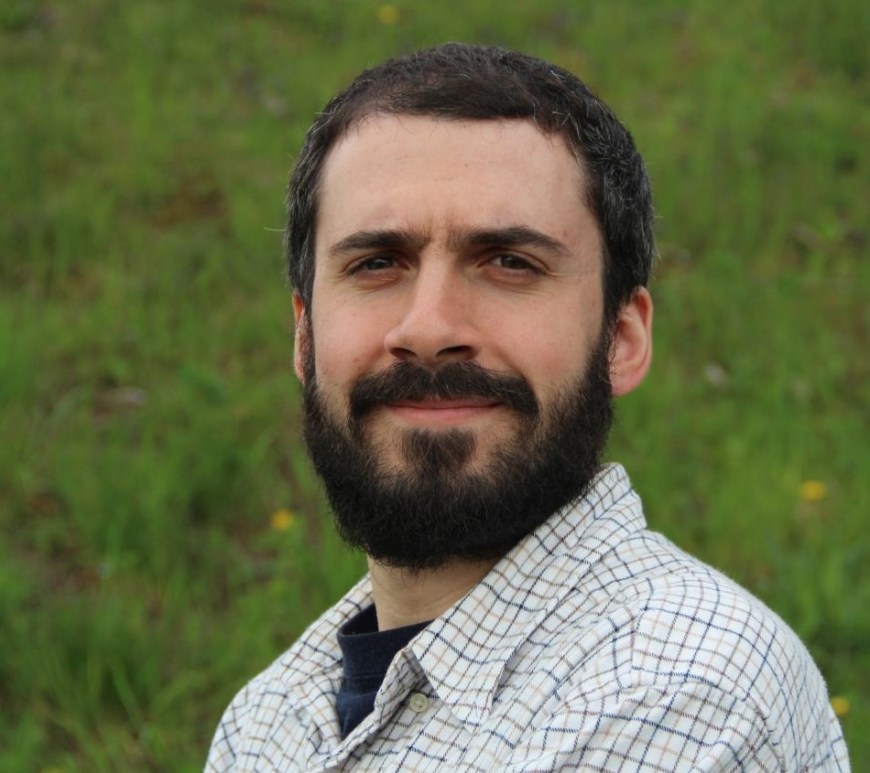
Corinne Hertäg is a PhD student at ETH Zürich. She was recently shortlisted for Functional Ecology’s Haldane Prize for Early Career Researchers.

In this Insight, she talks about her shortlisted paper, Defensive symbionts mediate species coexistence in phytophagous insects

Continue reading “Corinne Hertäg: sharing the costs – and benefits – of defensive symbionts”

“The main thing we want to do is more long-term experiments…” New podcast episode with Ken Thompson and Rannveig Jacobsen

New Podcast! Ken Thompson talks to Rannveig Jacobsen (recently shortlisted for the Haldane prize) about the influence of insects on decomposer fungi. You can read all the shortlisted papers here. Continue reading “The main thing we want to do is more long-term experiments…” New podcast episode with Ken Thompson and Rannveig Jacobsen

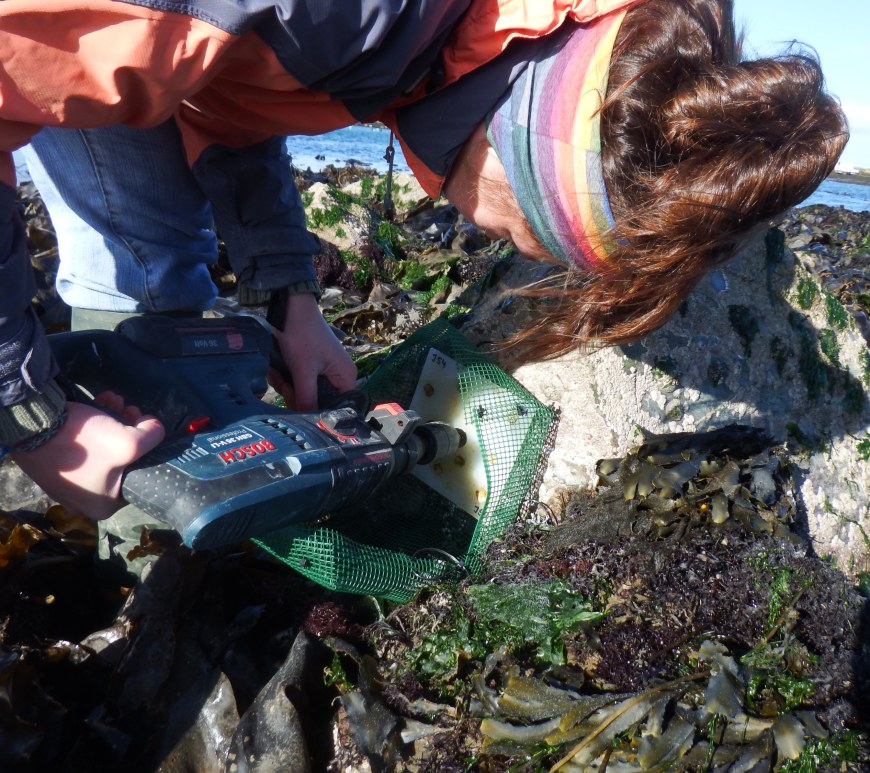
Nadescha Zwerschke in the field.

Nadescha Zwerschke – a new angle on oyster competition

Nadescha Zwerschke is a benthic ecologist with the British Antarctic Survey. She was recently shortlisted for Functional Ecology’s Haldane Prize for Early Career Researchers. In this Insight, she talks about her shortlisted paper, Competition between co‐occurring invasive and native consumers switches between habitats   Oyster vs Oyster In Europe, the native oyster is declining due to overfishing and habitat destruction, effectively extirpating it from intertidal … Continue reading Nadescha Zwerschke – a new angle on oyster competition

How sexual and natural selection influence body size dimorphism between males and females— what processes matter at each evolutionary level.

Bethan Littleford-Colquhoun (left)

In this Insight, Bethan Littleford-Colquhoun, a researcher at the University of the Sunshine Coast, Australia, talks about her recent paper, How sexual and natural selection shape sexual size dimorphism: evidence from multiple evolutionary scales.

Continue reading “How sexual and natural selection influence body size dimorphism between males and females— what processes matter at each evolutionary level.”

Diego hiking in New Zealand (holding a chunk of snow after seeing snow for the first time!)

Warming increases the cost of growth

Diego Barneche is a lecturer in marine ecology at the University of Exeter (UK). You can find him on twitter, googlescholar, GitHub and his website. In this Insight, he talks about his new paper Warming increases the cost of growth in a model vertebrate, now published in Functional Ecology   About the research   How did you come up with the idea for your paper? … Continue reading Warming increases the cost of growth

Luke Wilde

Mountains, mice and the impacts of infection

In this Insight, Luke Wilde talks about his new paper, varying costs of infection, extreme environments and taking a metabolic lab in to the field.

Specifically, we showed that the effects of an infection can be greatly heightened if the host exists in a consistently stressful environment, and if the investigators use current, relevant metrics of performance and fitness.

Continue reading “Mountains, mice and the impacts of infection”