In this Behind the Paper blog post, author Elizabeth Telford – a postdoc at the the University of Sheffield – explores her research article N2 fixation is linked to the ability to encroach in African savanna trees. Elizabeth discusses the role of nitrogen fixation in how some trees respond to rising CO₂, how this research supported her get back into research, and her advice to keep looking forward.
About the paper
Our study explores why only some savanna tree species become “encroachers” as a results of rising atmospheric CO2 levels. Using an experimental CO2 and watering setup, we compared nitrogen-fixing traits in six encroacher and six non-encroacher southern African savanna tree species. We found that encroachers are uniquely good at tapping into nitrogen fixation to meet their immediate nutrient demands, especially when CO2 is high. While all species increased nitrogen fixation under elevated CO2 and good water supply, encroachers showed a distinctive short-term nitrogen use strategy that likely gives them a competitive edge. Overall, our results show that nitrogen fixation plays a central role in how some trees respond to rising CO₂, helping to explain why only a small subset of species is driving woody encroachment across savanna ecosystems worldwide.
About the research
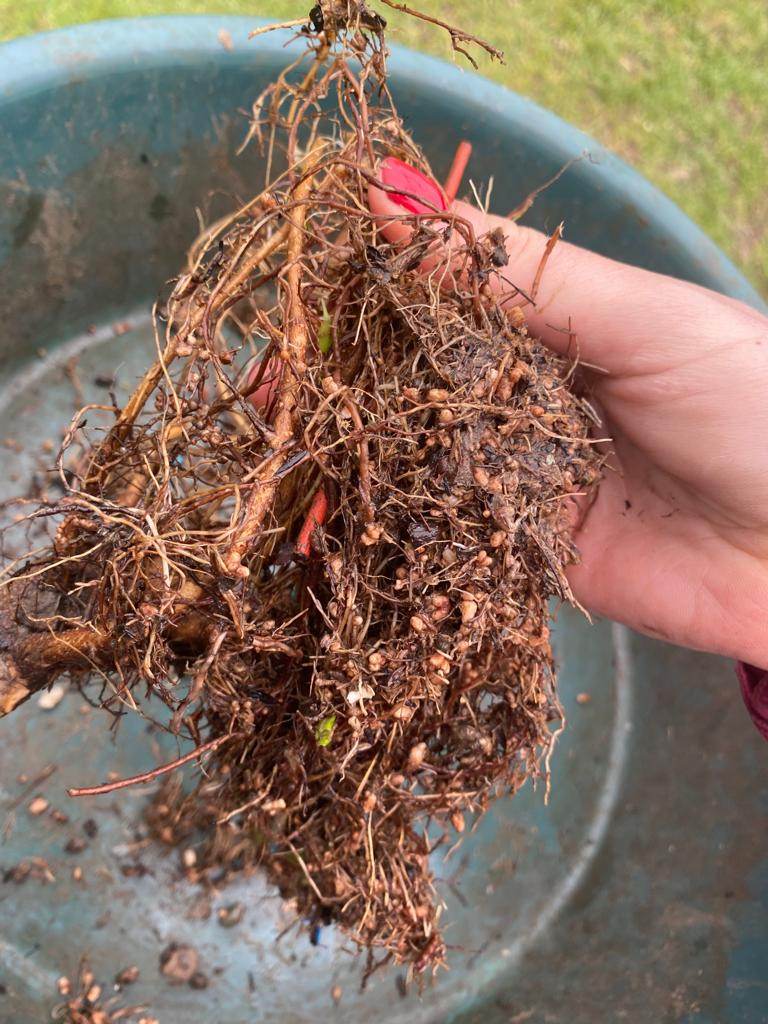
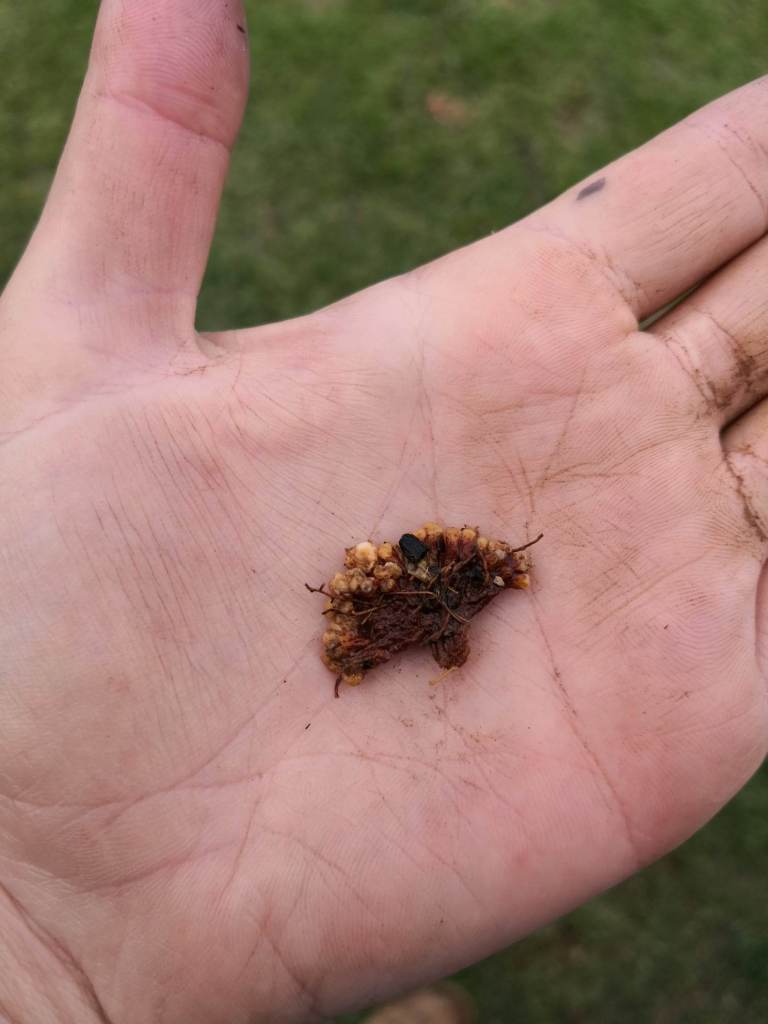
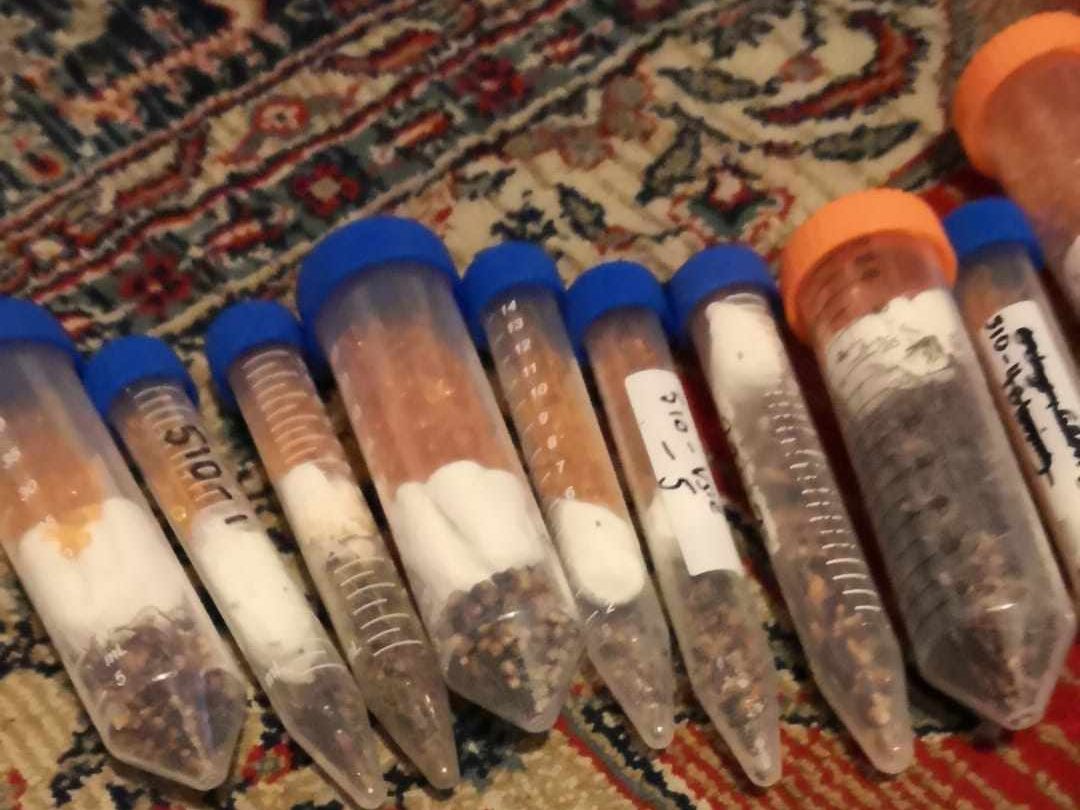
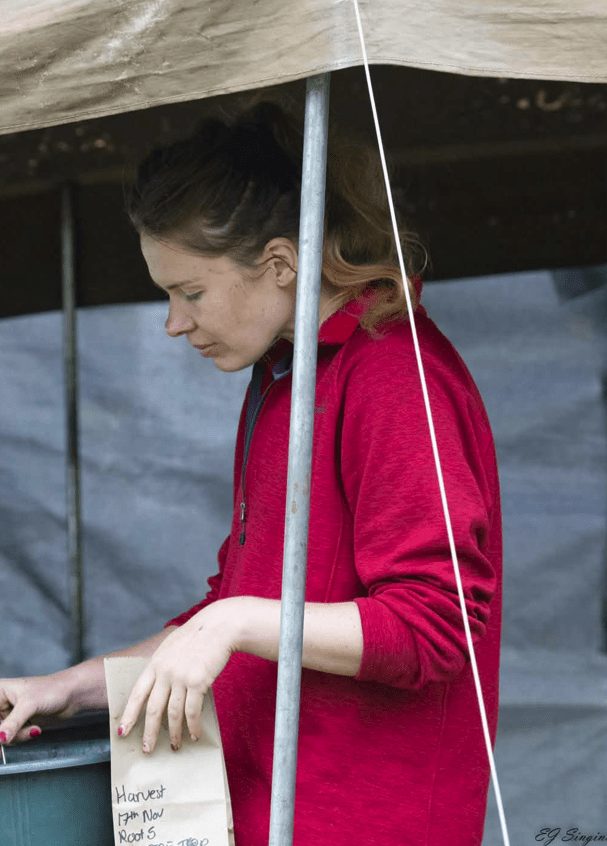
This data was collected as part of a larger experiment at the Rhodes University CO₂ facility during my PhD. I completely lucked out; the experiment was a huge undertaking, and I was fortunate to join during the harvesting effort to collect all the nodules and leaf material. The plants were grown between 2021 and 2022, during and just after the height of COVID. I had also lost my mum in 2021 and took a substantial leave of absence from my PhD. Being involved in this experiment was really my way of dipping my toe back into research, testing whether I still had the capacity to finish my PhD. Working at Rhodes University and being part of a massive team harvesting 700 plants was genuinely transformative. Every nodule I picked, harvested, and weighed happened while grieving, and while slowly putting myself back together. The experience ended up shaping the rest of my PhD in ways I couldn’t have predicted. Scientifically, I didn’t predict the lack of divergence in the long-term nitrogen traits, but that’s plants! They never do what you expect! The next steps for me are to dive deeper into the mycorrhizal interactions and, crucially, the role of grasses. I’m really excited to figure out what’s happening beneath the soil and how these relationships influence encroachment.
About the Author
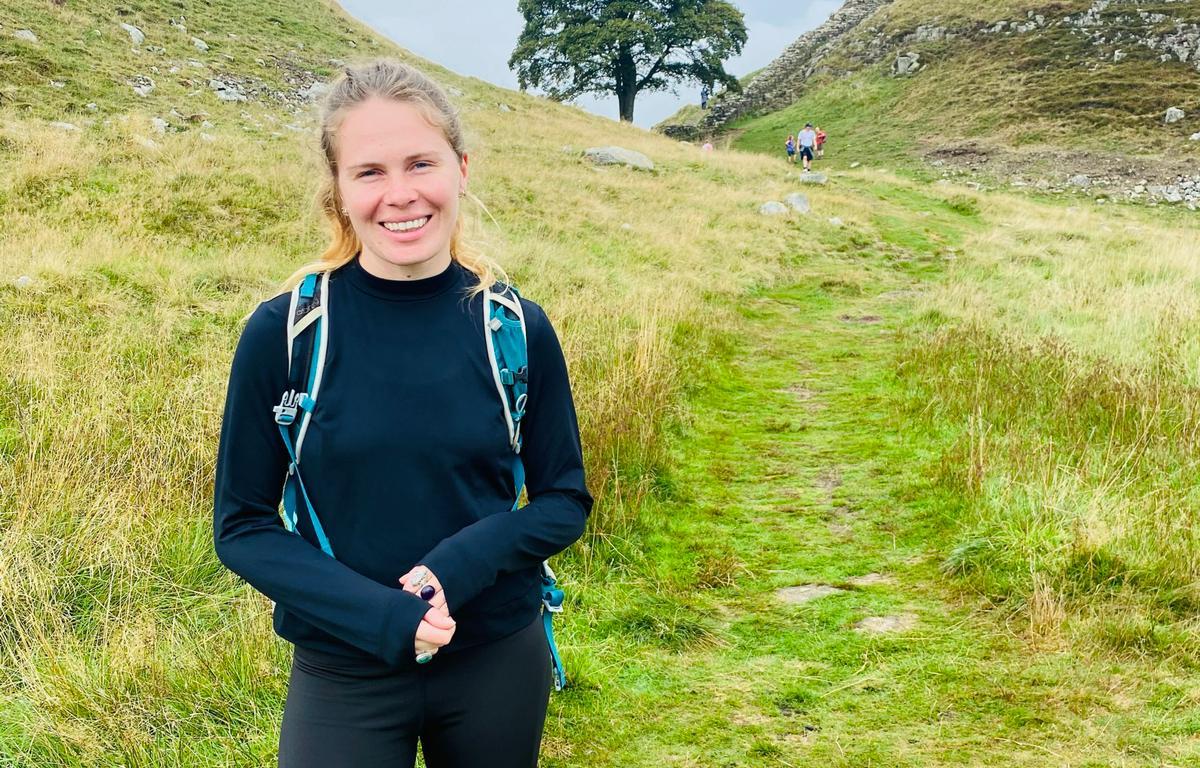
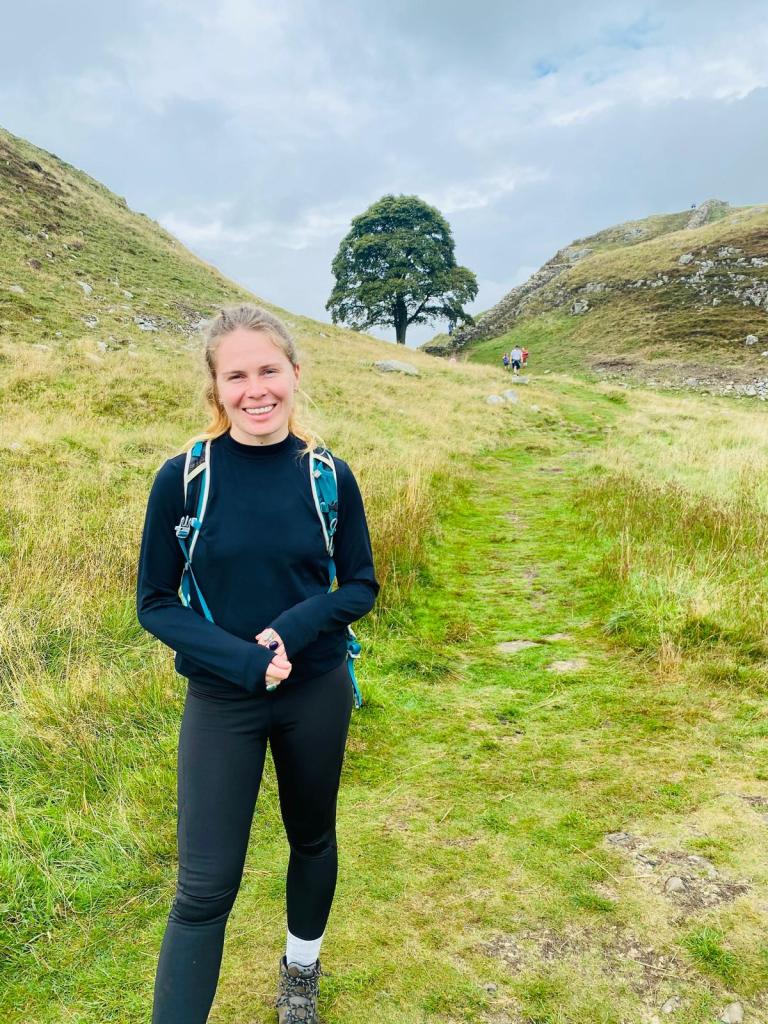
I’m currently working as a postdoc at the University of Sheffield, where I’m continuing to explore the questions raised in this paper. I became a plant ecologist thanks to an amazing biology teacher (Hi Mr Graham) and my parents who really instilled in me a love of gardening and being outside. At the moment, I’m consumed with finishing my lab work so I can finally start understanding what’s happening between the mycorrhizae and the encroachers. This means I can usually be found hunched over a lab-bench… and when I’m not, I’m practicing yoga trying to counteract the hunching, hunting for treasures in charity shops, or spending time with my long-suffering partner, family and friends. If I could give my younger self any advice, it would be don’t look back or sideways, keep looking forward, and just take that tiny step forward everyday.
 Functional Ecologists