
In this ‘Behind the Paper’ blog post we uncover the hidden contributions of nocturnal foragers. Author Wande Li, a PostDoc at East China Normal University, guides us through the fascinating world of trees after dark, the setting for their recent research article ‘Temporal niche partitioning by nocturnal arboreal mammals increases the modularity of plant–frugivore networks in a fragmented subtropical landscape‘. Wande Li discusses the hidden contributions of nocturnal animals to seed dispersal, the challenges of species identification in the dark, and their advice for early career researchers to dig deeply into the complexities of nature.
1. About the Paper
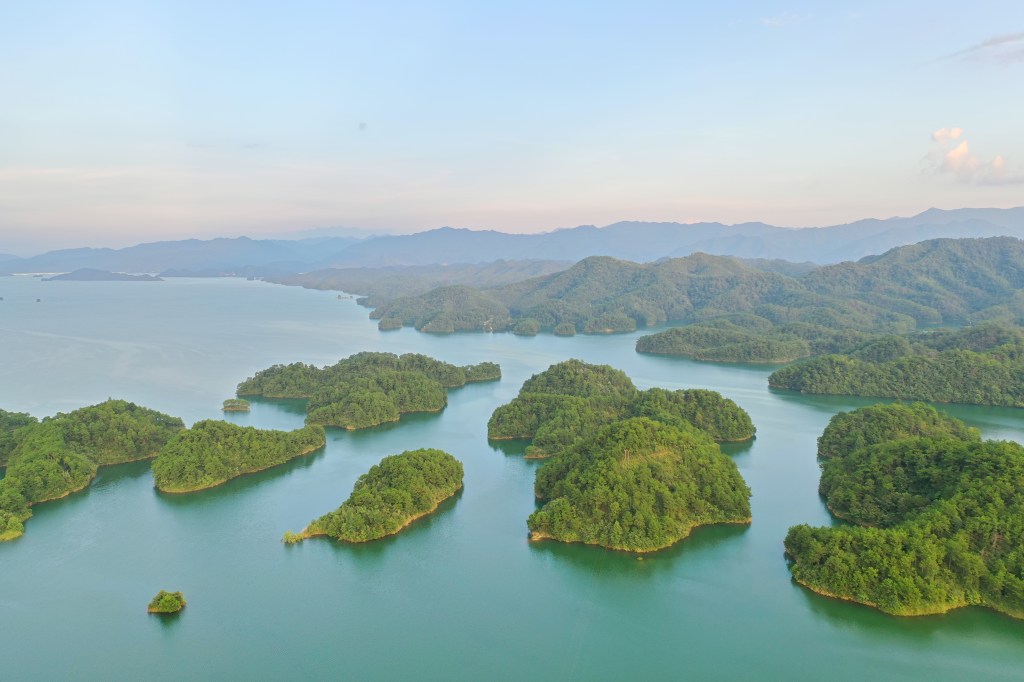
The forest never truly sleeps. As dusk falls over the fragmented islands of Thousand Island Lake, China, a shift takes place in the trees. While diurnal birds, such as bulbuls, wrap up their foraging for the day, a new team of seed dispersers—nocturnal, arboreal mammals—take over. Despite their key role, the activities of these nocturnal foragers have remained largely unexplored in ecology. What happens when night falls? Who are the nocturnal dispersers, and how do their activities differ from those of their daytime counterparts?
Our study aimed to fill this knowledge gap by quantifying the contributions of nocturnal, arboreal mammals to plant-frugivore networks across the subtropical landscape of Thousand Island Lake. Using over 200 arboreal camera traps to monitor more than 200 fruiting plants across 13 islands of varying size and isolation, we uncovered the hidden contributions of nocturnal animals to seed dispersal.
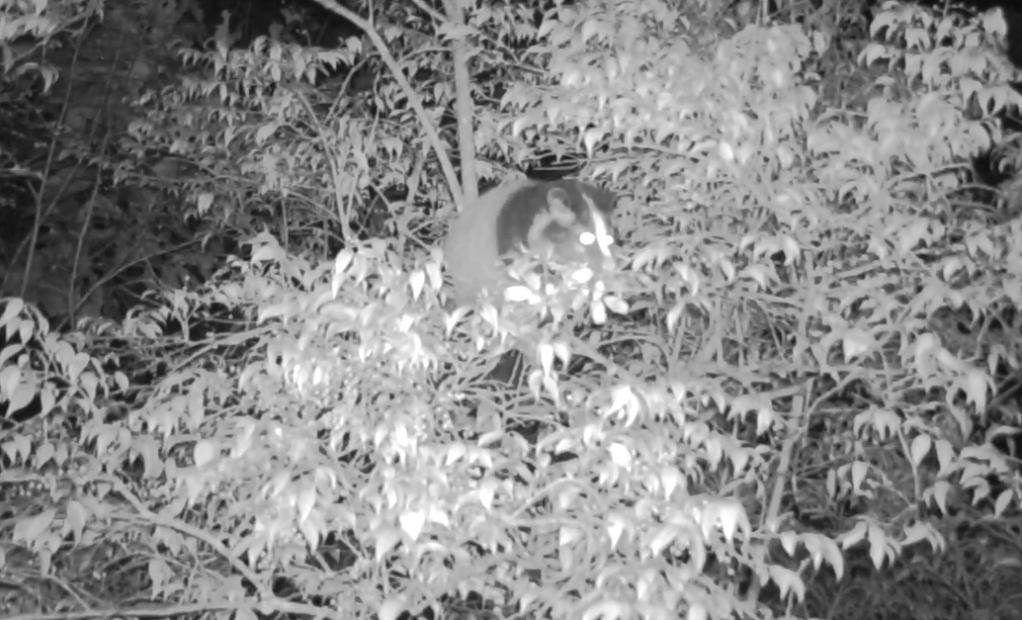
Our findings reveal that two mammal families—murid rodents and the Masked Palm Civet—were responsible for nearly 20% of all frugivory events. Their contribution was second only to the dominant daytime family of birds, the bulbuls (Pycnonotidae). Critically, the inclusion of nocturnal data didn’t just increase the network size—it transformed its structure. When we incorporated nocturnal interactions, network modularity increased while nestedness decreased. This indicates that nocturnal animals form specialized, self-contained interaction clusters, creating a temporal partitioning of ecological roles and supporting two complementary networks operating in tandem. Furthermore, these findings highlight an important implication for ecological research: without considering nocturnal interactions, we overlook crucial components of plant-frugivore networks and misinterpret ecosystem function. In fragmented landscapes, where large forest patches are increasingly threatened, understanding and preserving both day-and-night dispersers is vital for ecosystem health.
2. About the Research
This project began with a simple yet essential question: what happens in the trees after dark? Traditional surveys of plant-frugivore interactions focus mainly on daytime activities, leaving the nocturnal side of the story largely untold. To uncover these hidden interactions, we turned to arboreal camera trapping, positioning infrared cameras across the islands to monitor frugivory 24/7. This method allowed us to capture the elusive nocturnal activities that are often missed in conventional studies.
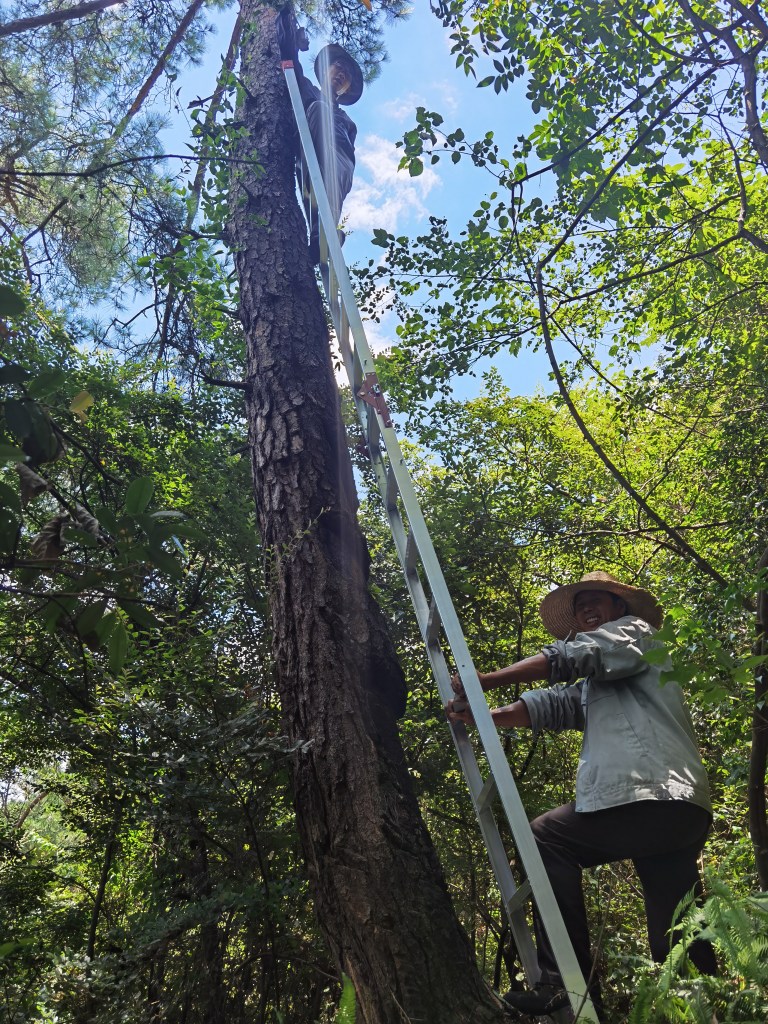
Deploying over 200 infrared cameras across the islands was no small feat. The setup required climbing trees, adjusting cameras for optimal angles, and maintaining equipment under the subtropical weather conditions, ranging from intense heat to cold spells. The payoff was immense: we recorded over 760,000 photos and video clips, which yielded more than 6,600 independent frugivory events across the islands.
The analysis was not without its challenges. The grainy, black-and-white footage often made species identification difficult, particularly for nocturnal rodents. We addressed this by conservatively classifying these animals at the family level and ensuring data reliability through double-checked screening of every interaction. Several surprising insights emerged from our data. First, island isolation had no significant effect on nocturnal frugivory, contrary to our expectations. This suggests that small mammals like the Chinese White-bellied Rat may be capable of swimming or using floating debris to cross water. Additionally, we found that larger islands supported a greater proportion of nocturnal interactions, reinforcing the idea that island area, not isolation, plays a critical role in the richness of nocturnal interactions. More strikingly, even on the smallest islands, including nocturnal data significantly increased network modularity. This robust signal tells us that temporal niche partitioning is a universal and resilient ecological mechanism, not just a feature of vast, intact forests.
Looking ahead, we hope to integrate faecal DNA metabarcoding to better identify rodent species and track seed destinations. We also hope to apply our methods to tropical systems to see how the inclusion of frugivorous bats might reshape diel seed dispersal networks. As human activity continues to reshape landscapes, understanding these nocturnal interactions will be crucial for designing more comprehensive conservation strategies. After all, the full ecological story of a forest can only be told when we listen to both its daytime and night-time rhythms.
3. About the Author
I am currently a postdoctoral researcher in ecology at East China Normal University. My journey into this field began in Yunnan, a biodiversity hotspot in China, where I spent much of my childhood observing birds and insects. These early experiences sparked my interest in the intricate relationships within nature, and I later pursued this passion during my university years. Throughout my fieldwork, particularly in the mountains and valleys of southwestern China, I became fascinated not only by species diversity but by their roles in ecosystems. How does a single bird’s visit to a plant influence its future? How do these small interactions shape the broader structure of forests? These questions led me to focus on plant-animal interactions, particularly the process of seed dispersal.
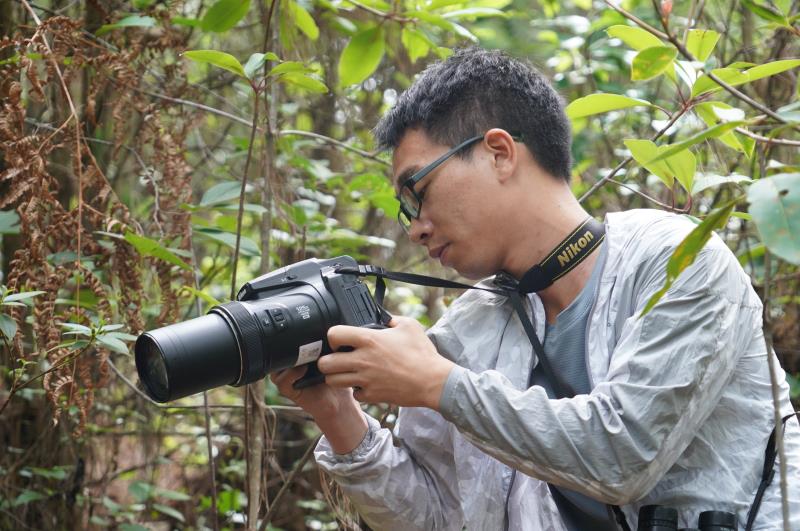
In scientific research, the greatest challenge is often identifying the right question – one that addresses a genuine gap in our understanding and can yield meaningful insights for conservation. My advice to early-career scientists is this, which also echoes what I tell myself: nurture your curiosity, but also learn to channel that wonder into rigorous, disciplined inquiry. The most impactful science comes from those who stay observant and are willing to dig deeply into the complexities of nature.
X account: @wande_li
 Functional Ecologists