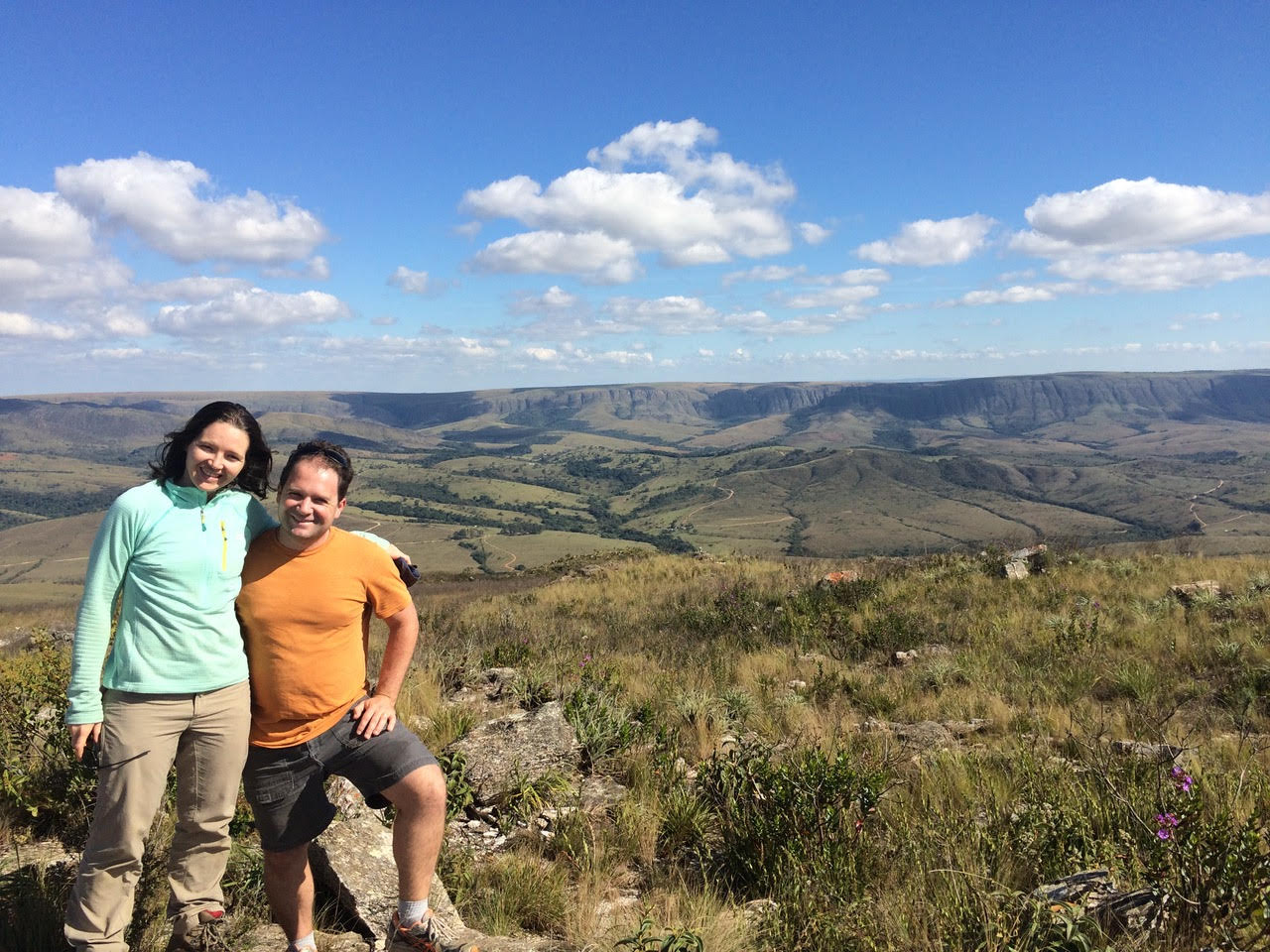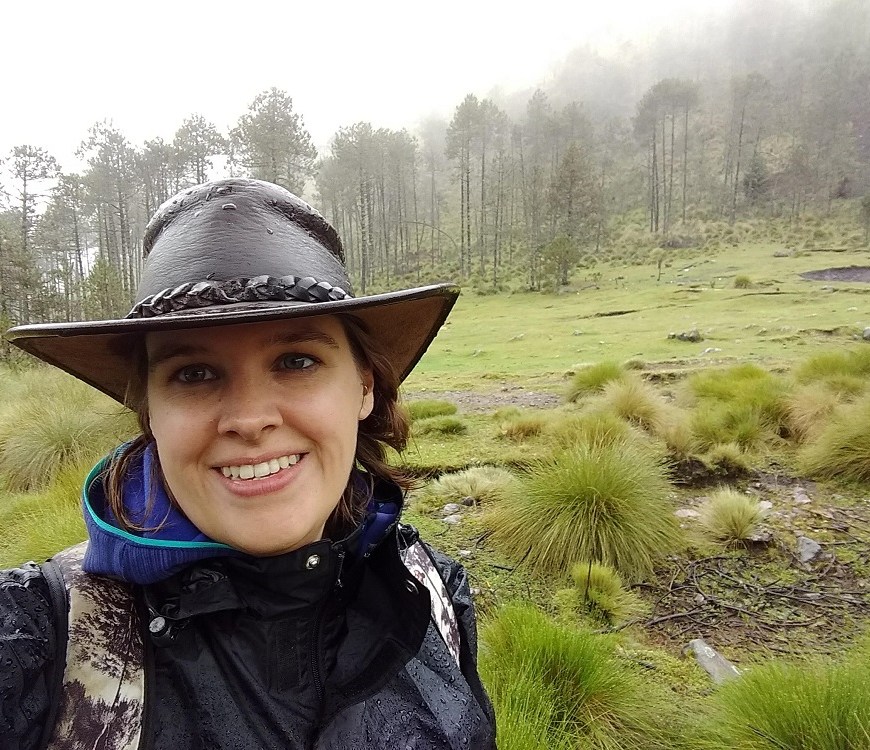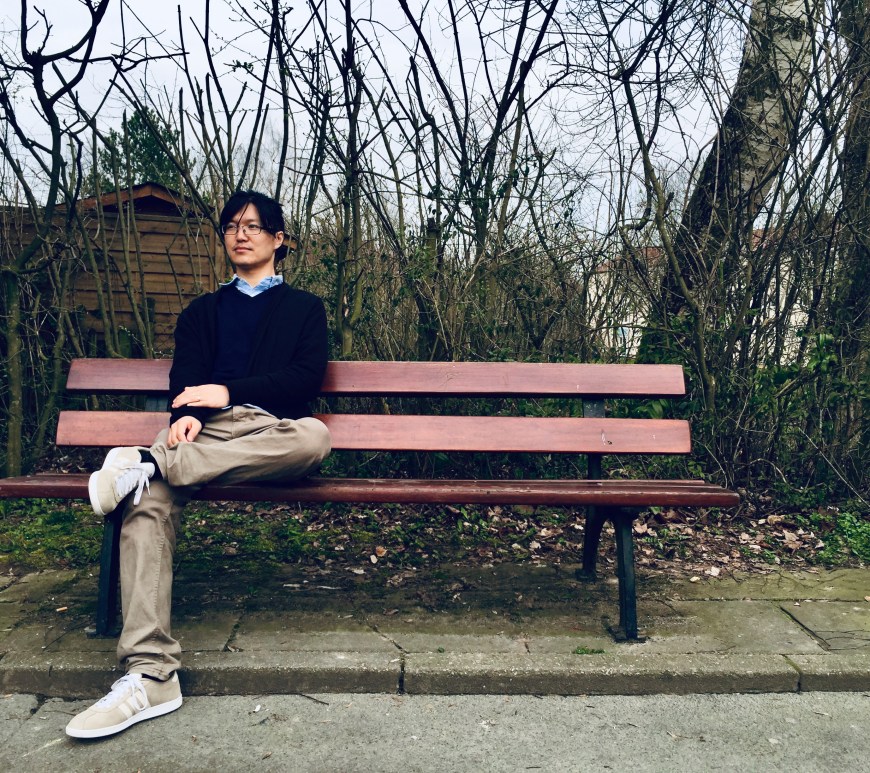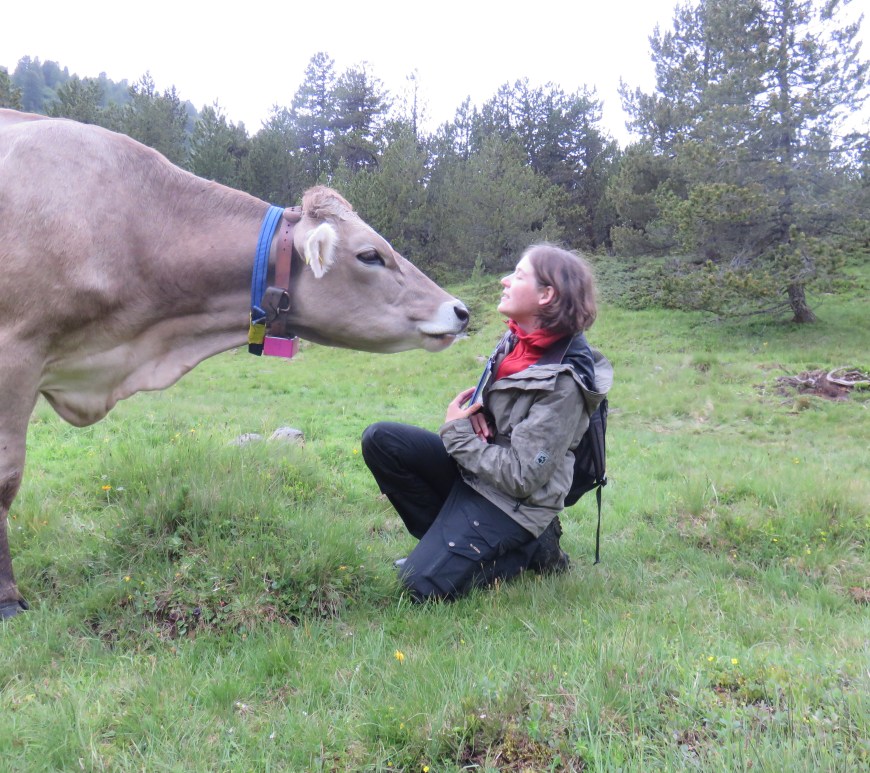
Caren Pauler enjoys working with cattle, especially in the harsh environmental conditions of her study area in the Swiss Alps (photo by Manuel Schneider).

Caren Pauler: Choosy grazers (Why plants are tasty to cattle and why Highland cattle eat almost everything)
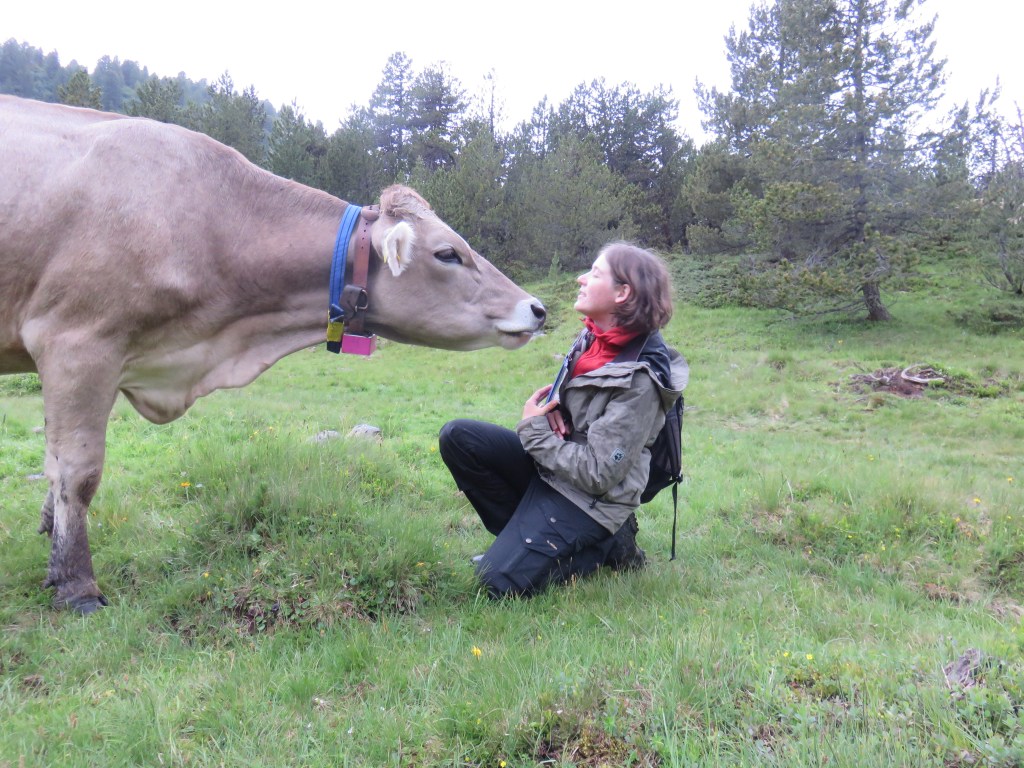
Caren Pauler enjoys working with cattle, especially in the harsh environmental conditions of her study area in the Swiss Alps (photo by Manuel Schneider).

Caren Pauler is currently a Ph.D. student at Agroscope in Zürich and the Centre for Organismal Studies, University of Heidelberg. Caren will be defending her PhD this July. In this insight, Caren discusses with us her article “Choosy grazers: Influence of plant traits on forage selection by three cattle breeds” and how her interest in ecology was shaped.

Continue reading “Caren Pauler: Choosy grazers (Why plants are tasty to cattle and why Highland cattle eat almost everything)”
“Breaking down leaves is basically hard work, so if the fungi have the option of an easier life, they take it?” Ken Thompson interviews Hal Halvorson in our new podcast

“Breaking down leaves is basically hard work, so if the fungi have the option of an easier life, they take it?” Continue reading “Breaking down leaves is basically hard work, so if the fungi have the option of an easier life, they take it?” Ken Thompson interviews Hal Halvorson in our new podcast

Rafael Dudeque Zenni: co-occuring invasive species leave a lingering impact

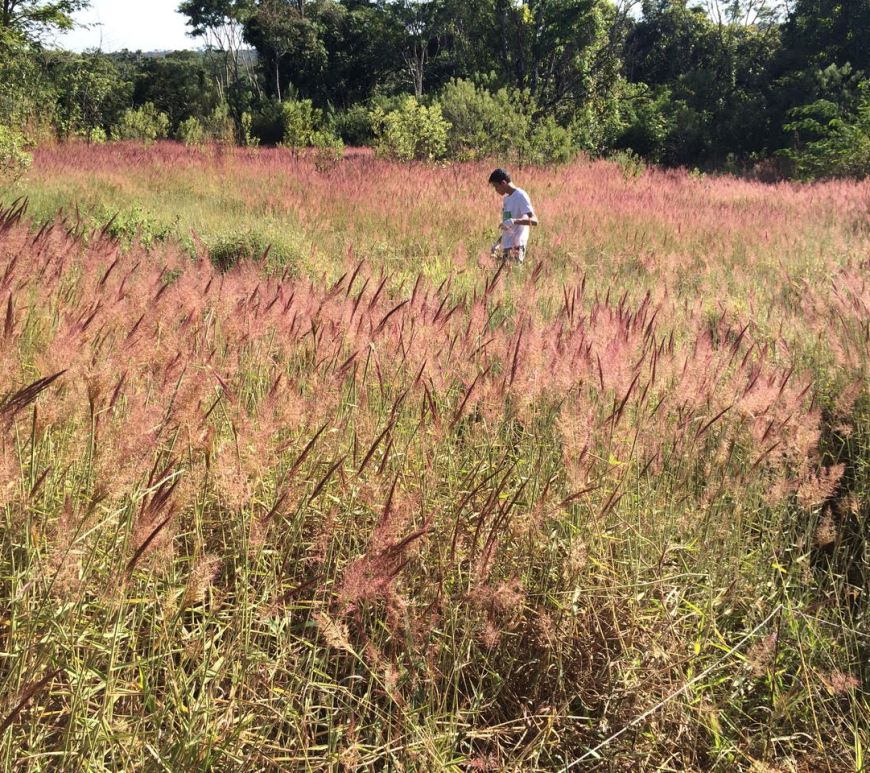
In this Insight, Rafael Dudeque Zenni talks about his recent research looking at how co-occurring invasive species join forces for increased and persistent impact on the ecosystem and why the the Cerrado of Brazil was the perfect place for this experiment.

Rafael Dudeque Zenni
Continue reading “Rafael Dudeque Zenni: co-occuring invasive species leave a lingering impact”

2019 Haldane Prize Shortlist: Functional Ecology’s Award for Early Career Researchers

The Haldane Prize is awarded by the British Ecological Society each year for the best paper in Functional Ecology written by an early career author. Today, we are pleased to present the shortlisted papers for this year’s award (from the 2019 volume of Functional Ecology). This year’s shortlisted candidates are: A trait-based framework for understanding predator-prey relationships: trait matching between a specialist snake and its … Continue reading 2019 Haldane Prize Shortlist: Functional Ecology’s Award for Early Career Researchers

My favorite goat, nanny number 418 behind a rock. Credit Frédéric Dulude-de Broin

Frédéric Dulude-de Broin: Predators suppress prey reproduction through chronic physiological stress

Frédéric Dulude-de Broin is a wildlife ecologist interested in understanding how predation risk influences individual life-history decisions, affects population dynamic and shapes ecological communities. Frédéric recently completed a master’s degree on the impact of non-consumptive effects of predation on mountain goat reproduction. He is now starting a PhD at Laval University (Québec, Canada) on the role of predation as a driver of arctic terrestrial biodiversity. Here, he discusses his paper “Predation risk and mountain goat reproduction: Evidence for stress-induced breeding suppression in a wild ungulate.

Continue reading “Frédéric Dulude-de Broin: Predators suppress prey reproduction through chronic physiological stress”
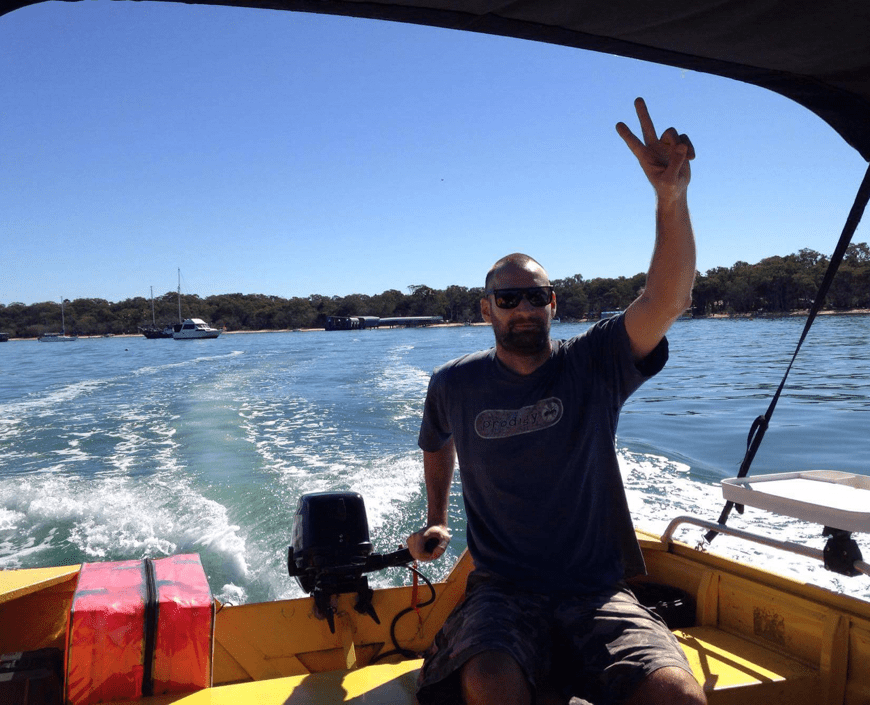
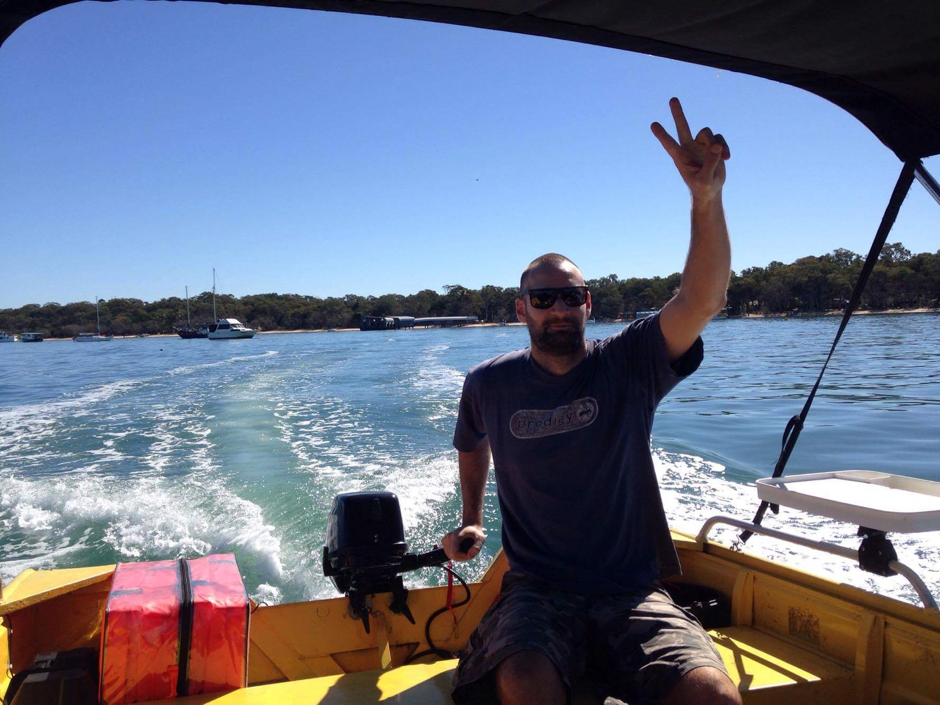
Martin boating in Northern Moreton Bay, Australia. Photo courtesy of Dr. Martyna Grabowska.

Martin Luehrmann: Evolution of colour vision in coral reef fishes

Martin Luehrmann is a recent Ph.D. graduate at the University of Queensland in Australia. Here, Martin discusses with us his paper “Microhabitat partitioning correlates with opsin gene expression in coral reef cardinalfishes (Apogonidae)”, as well as his interest in ecology and his hobbies outside of research.

Continue reading “Martin Luehrmann: Evolution of colour vision in coral reef fishes”
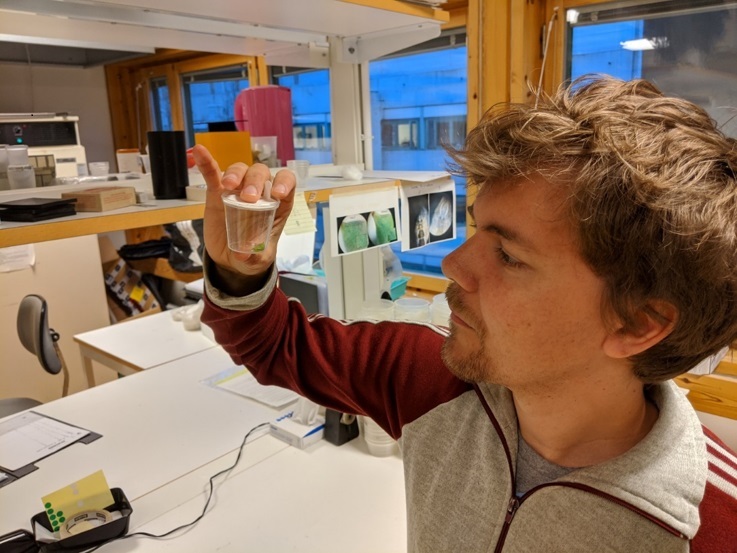
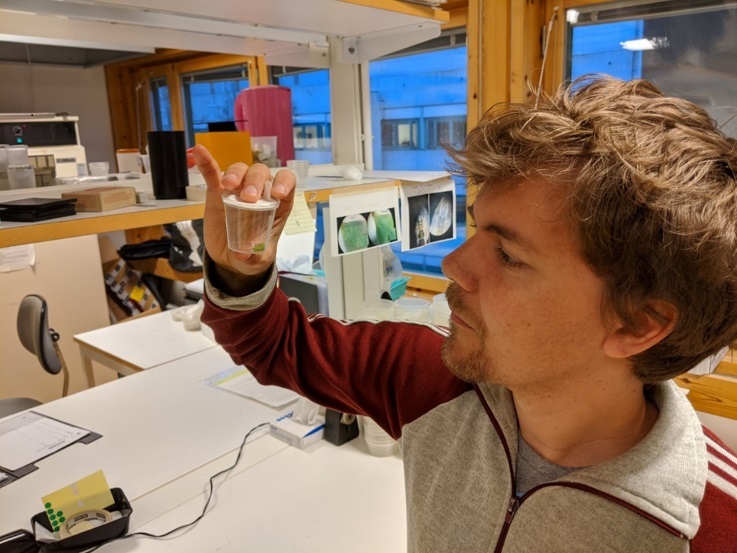
Olle, holding a container with a Pararge aegeria pupa (photo by Matthew Nielsen).

Olle Lindestad: Duration of diapause in butterflies

Olle Lindestad is currently a Ph.D. student in the Department of Zoology, Stockholm University. Olle will be defending his thesis this February. In this insight, Olle discusses with us his article “Variation in butterfly diapause duration in relation to volitinism suggests adaptation to autumn warmth, not winter cold”, how his interest in ecology was shaped, as well as his interests outside of research.

Continue reading “Olle Lindestad: Duration of diapause in butterflies”
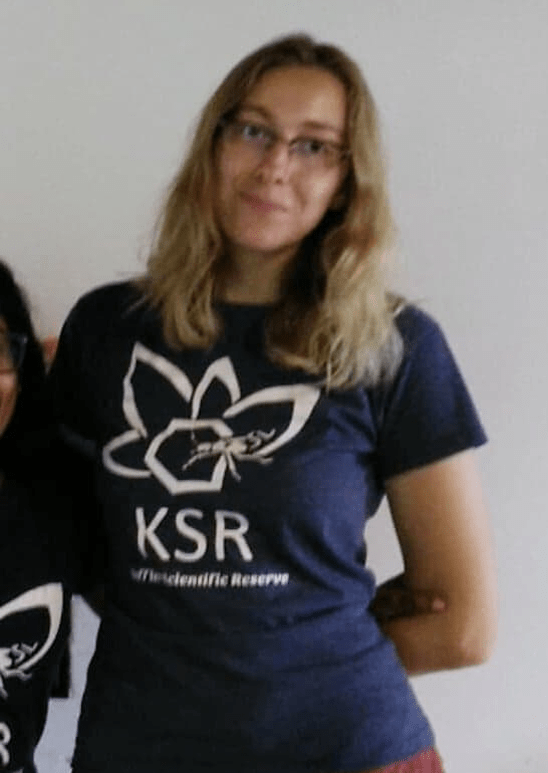
Julia Boyle wearing a t-shirt with the logo for her field station, the Koffler Scientific Reserve.

Julia Boyle: Adaptive plasticity and habitat choice affects performance of the ambush bug

Julia Boyle wearing a t-shirt with the logo for her field station, the Koffler Scientific Reserve.

Julia Boyle, a M.Sc. candidate at the University of Toronto, discusses her recent publication “Plasticity and habitat choice match color to function in an ambush bug”, big questions left to answer, as well as her journey to becoming an ecologist.

Continue reading “Julia Boyle: Adaptive plasticity and habitat choice affects performance of the ambush bug”