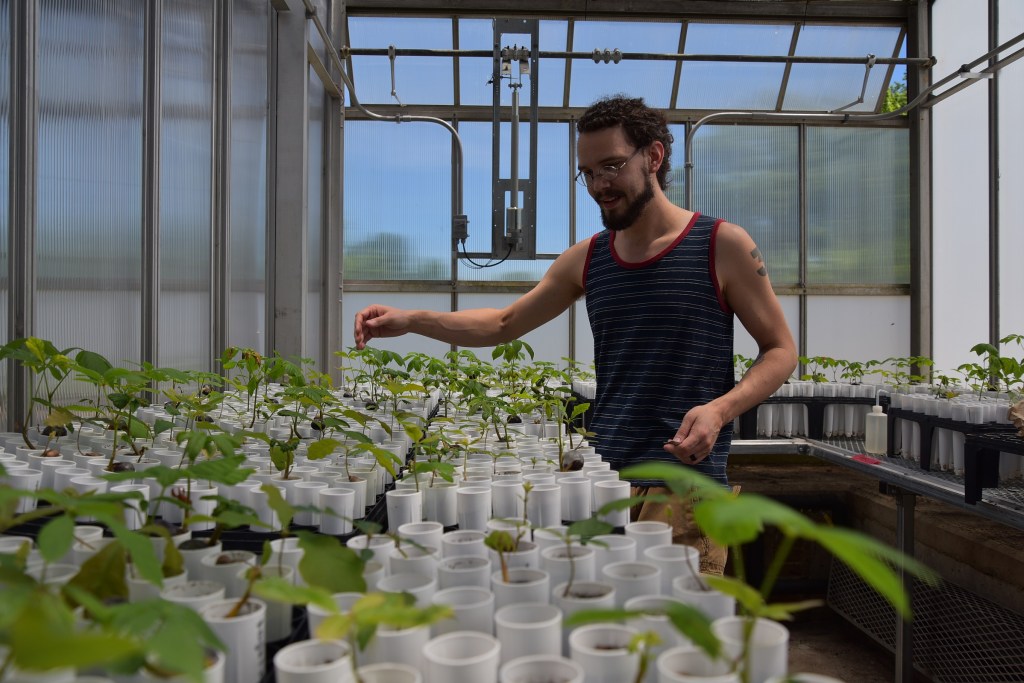
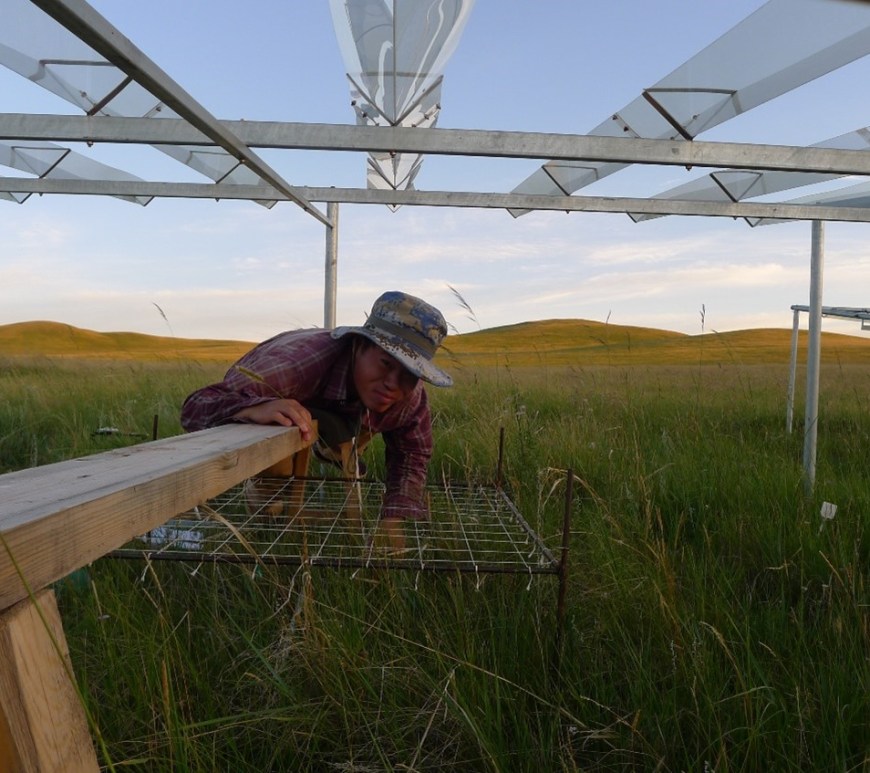
Charlotte Poeydebat taking notes in the field (c) Soline MARTIN-BLANGY

Charlotte Poeydebat: Effects of tree diversity on forest resistance to insect herbivores

Charlotte Poeydebat, postdoc at University of Bordeaux, presents her work “Climate affects neighbour‐induced changes in leaf chemical defences and tree diversity–herbivory relationships”, discusses the importance of research networks to address general questions in ecology and share her passion for ecosystems research. 

Continue reading “Charlotte Poeydebat: Effects of tree diversity on forest resistance to insect herbivores”
Dr. Lauren Nadler at the Lizard Island Research Station in Australia (photo credit Shaun Killen).

Lauren Nadler: Nothing to gain with parasites on the brain

Dr. Lauren Nadler, Assistant Professor in the Department of Marine and Environmental Sciences at Nova Southeastern University, explains how parasites can be energetically costly, even before infection, in her paper “A brain-infecting parasite impacts host metabolism both during exposure and after infection is established.” Dr. Nadler further discusses how she became involved in ecology, and why she enjoys the field.

Continue reading “Lauren Nadler: Nothing to gain with parasites on the brain”
Jamie enjoying the weather from his balcony in Sydney.

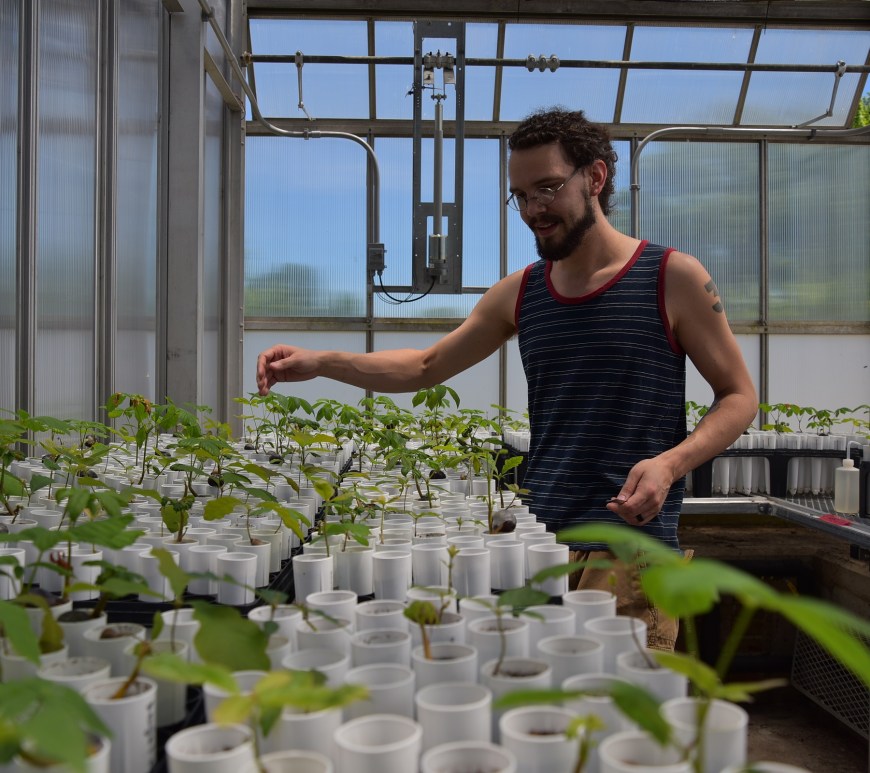
Jamie Waterman: silicon and simulated herbivory modify plant defences

Jamie Waterman is a PhD Candidate at the Hawkesbury Institute for the Environment, Western Sydney University studying the mechanisms behind plant defences against insect herbivores. In this insight, he discusses his recent paper Short‐term resistance that persists: Rapidly induced silicon anti‐herbivore defence affects carbon‐based plant defences.

Continue reading “Jamie Waterman: silicon and simulated herbivory modify plant defences”
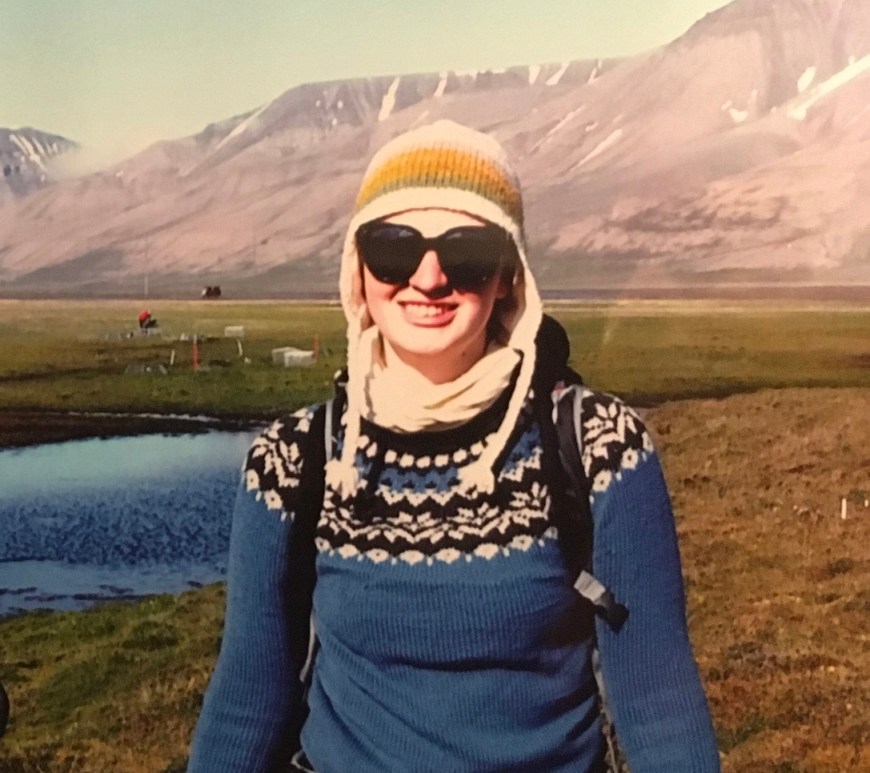
A picture of myself in the field (on Svalbard). Photo credited to Fumino Maruo

Anna Katharina Pilsbacher: troubling the neighbours in the tundra

Anna Katharina Pilsbacher introduces her M.Sc. work at the Arctic University of Norway ‘Interfering with neighbouring communities: Allelopathy astray in the tundra delays seedling development’, speaks about the importance of understudied interactions and her journey from ecology to linguistics.

Continue reading “Anna Katharina Pilsbacher: troubling the neighbours in the tundra”
Jackson Creek, one of the 11 streams I study in south-central Ontario, Canada. © Bianca Nucaro-Viteri from 705 Creative

Sandra Klemet-N’Guessan: Am I a Black ecologist?

Jackson Creek, one of the 11 streams I study in south-central Ontario, Canada. © Bianca Nucaro-Viteri from 705 Creative

For Black History Month, the British Ecological Society (BES) journals are celebrating the work of Black ecologists from around the world and sharing their stories. This post is from Sandra Klemet-N’Guessan, (@SandraKlemet) a PhD candidate in the Xenopoulos lab, Trent University, Canada, where she studies the role that aquatic animals play in the cycling of nutrients in lakes and streams.

Continue reading “Sandra Klemet-N’Guessan: Am I a Black ecologist?”

Francisco E. Fontúrbel: Cryptic interactions between trees, mosses, and hummingbirds.

Dr. Francisco Fontúrbel, an Associate Professor in the Biology Department at the Pontificia Universidad Católica de Valparaíso in Chile, discusses with us his recent publication in Functional Ecology, titled “Cryptic interactions revisited from ecological networks: mosses as a key link between trees and hummingbirds”, as well as the background of the research, and how the study raises new questions to be answered.

Francisco in the field, contemplating an endemic moss in the temperate rainforests of Southern Chile (credit Johana Villagra).
Continue reading “Francisco E. Fontúrbel: Cryptic interactions between trees, mosses, and hummingbirds.”

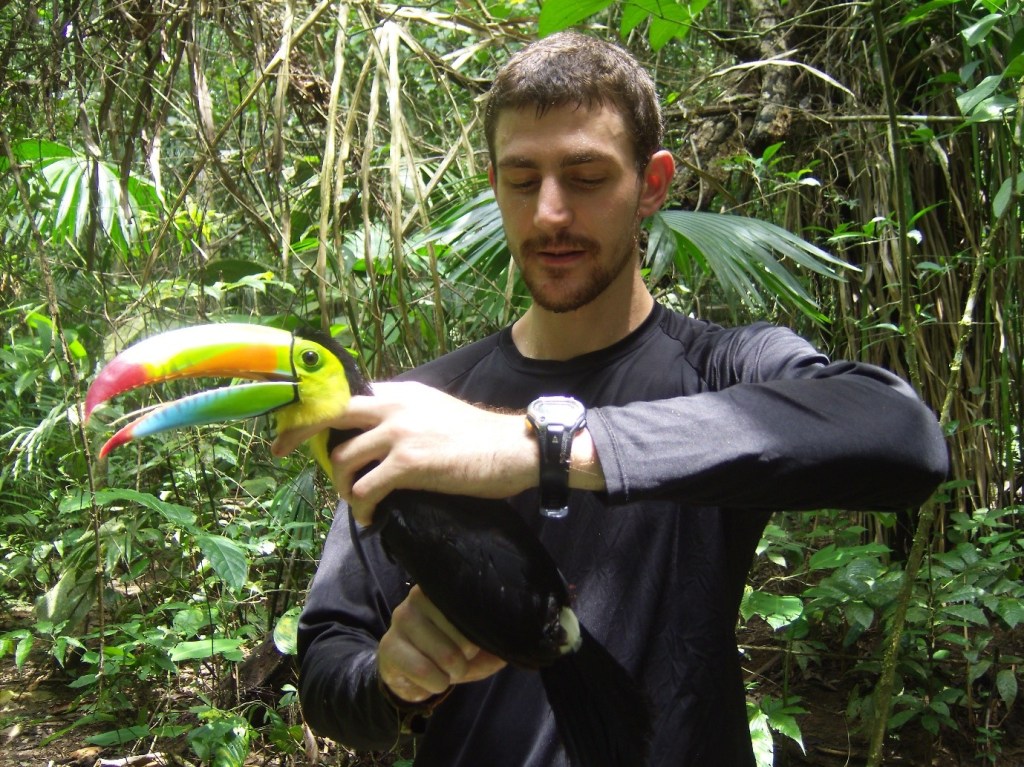
Henry Pollock: Can tropical and temperate birds take the heat of climate change?

Dr. Henry Pollock, a Postdoctoral Research Associate at the University of Illinois at Urbana-Champagne, discusses with us his recently accepted article in Functional Ecology: “Heat tolerances of temperate and tropical birds and their implications for susceptibility to climate change”, his journey into ecology, as well as his favorite (and least favorite) parts about being an ecologist.

Henry holding a Keel-billed Toucan (Ramphastos sulfuratus) captured during his dissertation fieldwork in central Panama. Photo credit: Zach Welty, 2012.
Continue reading “Henry Pollock: Can tropical and temperate birds take the heat of climate change?”
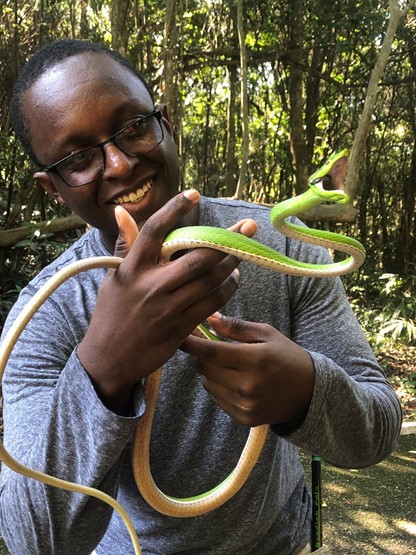
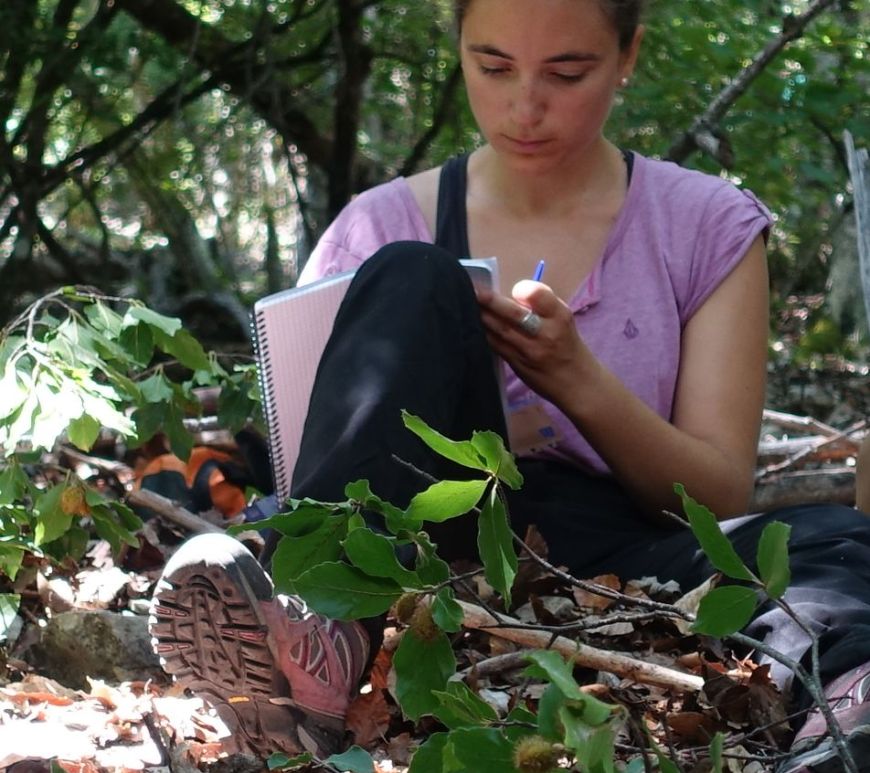
This photo was taken on a field trip I took with Dr. Kristin Winchell in the Dominican Republic at the Jardín Botánico Nacional Dr. Rafael M. Moscoso.
Jhan Salazar: Journeys of an Afro-Colombian Ecologist

For Black History Month, the British Ecological Society (BES) journals are celebrating the work of Black ecologists from around the world and sharing their stories. This post is from Jhan Salazar, a PhD student at Washington University.

Hi, I’m Jhan! I’m an Afro-Colombian ecologist, and I’m a PhD student in Jonathan Losos’ Lab at Washington University in St Louis. My research is focused on exploring the effect that temperature and climate have on the ecology and evolution of tropical lizards. I was born in Puerto Tejada, Cauca (Colombia), and unlike many of my peers, the story of why I became an ecologist and evolutionary biologist started long before I went to university or even to school. When I was five years old, I went to the most beautiful place I have ever been: my parents and grandparents’ hometown. In this small town called Boca de Patía, which is also in the Cauca region, I saw for the first time a forest – a tropical rainforest – and met many of its unique inhabitants: snakes, poison dart frogs, and many other fantastic animals and plants. After being there I started watching as many nature documentaries as I could, which made me wonder why none of the scientists on these documentaries looked like me. 

This photo was taken on a field trip I took with Dr. Kristin Winchell in the Dominican Republic at the Jardín Botánico Nacional Dr. Rafael M. Moscoso.


Continue reading “Jhan Salazar: Journeys of an Afro-Colombian Ecologist”

Andrew Eagar: mycorrhizal types influence local spatial structure in temperate forest tree communities

Andrew Eagar, a phd candidate at the Kent State University, presents his article “Dominant community mycorrhizal types influence local spatial structure between adult and juvenile temperate forest tree communities” where he studied plant-soil feedbacks at community level, and talks about his passion for research.

Continue reading “Andrew Eagar: mycorrhizal types influence local spatial structure in temperate forest tree communities”
Bingwei Zhang (photo by Minling Chen)

Bingwei Zhang: Trait plasticity determines species performance

In our latest Insight, Bingwei Zhang of Beijing Normal University at Zhuhai talks about the importance of trait plasticity in regulating species performance under environmental change, for his latest paper Species responses to changing precipitation depends on trait plasticity rather than trait means and intraspecific variation’.

Continue reading “Bingwei Zhang: Trait plasticity determines species performance”